
ADVERTISEMENT
Surprising Causes of Hives Revealed — What May Be Triggering Your Skin Reaction
Hives can appear suddenly, itch intensely, and disappear just as mysteriously. These raised, red welts on the skin are often blamed on allergies—but the truth is, many cases of hives have unexpected triggers that people rarely suspect.
If you’ve ever wondered why your skin is reacting when nothing obvious has changed, the answer might surprise you.
What Are Hives, Exactly?
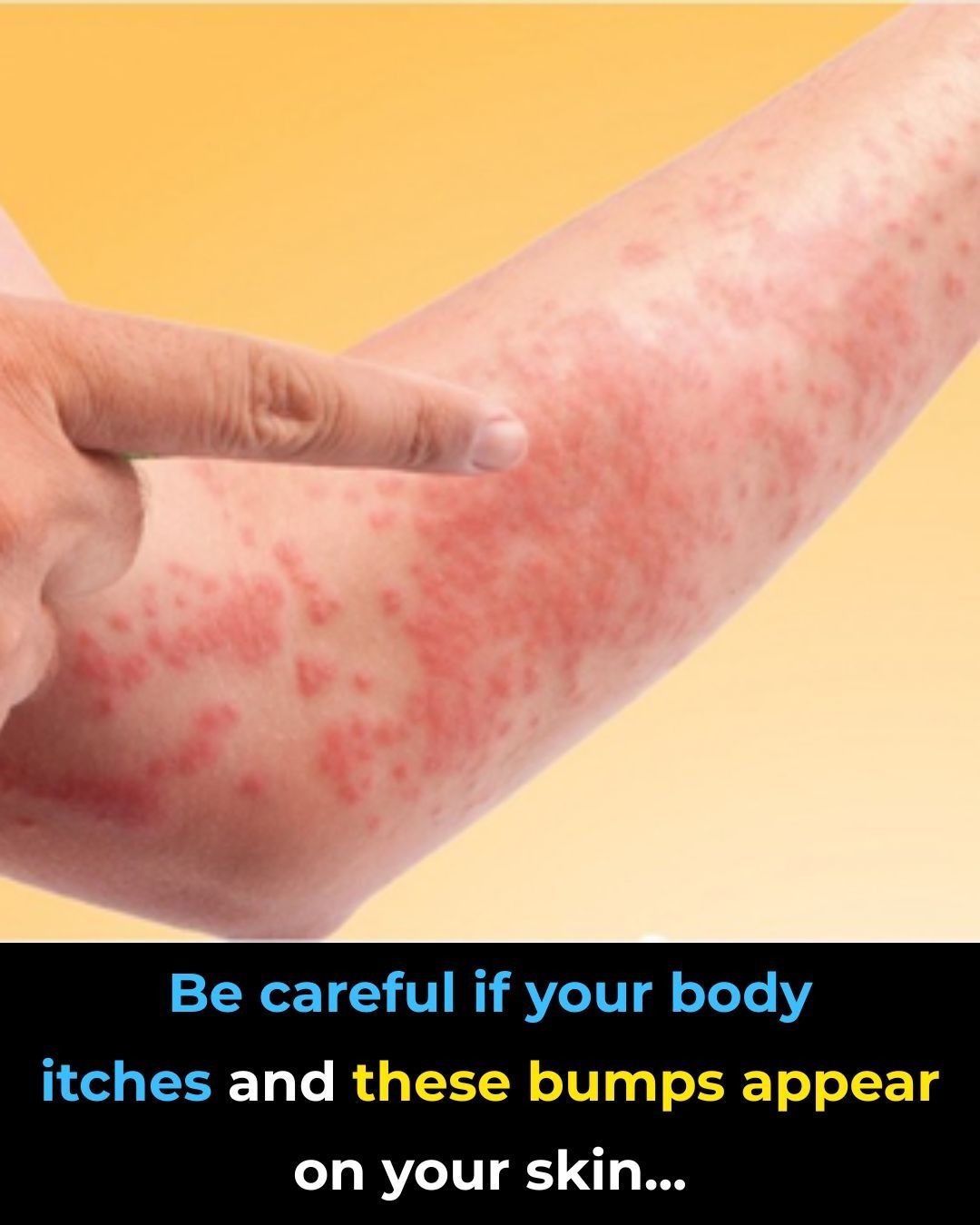
Hives, also known as urticaria, are swollen patches of skin that can vary in size and shape. They may come and go within hours or linger for days. While allergic reactions are a common cause, hives can also result from internal or environmental factors unrelated to food or medication.
1. Stress and Emotional Triggers
One of the most overlooked causes of hives is stress. When you’re anxious or overwhelmed, your body releases stress hormones that can trigger inflammation and histamine release—leading to hives.
Many people notice flare-ups during:
- High-pressure work periods
- Emotional distress
- Lack of sleep
In some cases, stress-induced hives appear even without any physical allergen involved.
2. Temperature Changes
Your skin can react strongly to sudden shifts in temperature. This includes:
- Hot showers
- Cold weather exposure
- Sweating during exercise
- Moving between air-conditioned and warm environments
These reactions are known as physical hives and can occur even if you’ve never had allergies before.
3. Pressure on the Skin
Tight clothing, backpack straps, belts, or even sitting for long periods can cause pressure hives. These may not appear immediately and can develop several hours after the pressure occurs, making the cause hard to identify.
4. Certain Foods—Not Just Allergies
While classic food allergies cause immediate reactions, some foods can trigger hives due to their histamine content or their ability to release histamine in the body.
Common culprits include:
- Aged cheeses
- Processed meats
- Shellfish
- Tomatoes
- Alcohol (especially wine)
These reactions don’t always mean you’re allergic—just sensitive.
5. Infections and Illness
Viral or bacterial infections are a major cause of unexplained hives, especially in children. Even a mild cold, sinus infection, or stomach bug can trigger a skin reaction as your immune system responds.
In many cases, the hives resolve once the illness clears.
6. Medications and Supplements
Beyond antibiotics and pain relievers, hives can be triggered by:
- Herbal supplements
- Vitamins
- Over-the-counter cold medicines
- NSAIDs like ibuprofen
Sometimes, the reaction develops after repeated use rather than the first dose.
7. Sunlight and Water Exposure
Yes—some people get hives from sun exposure or even contact with water, regardless of temperature. These rare forms of hives can appear within minutes and fade shortly afterward.
8. Autoimmune Reactions
Chronic hives lasting more than six weeks may be linked to autoimmune conditions. In these cases, the immune system mistakenly attacks healthy tissue, triggering repeated outbreaks without an obvious external cause.
When to See a Doctor
Seek medical advice if:
For Complete Cooking STEPS Please Head On Over To Next Page Or Open button (>) and don’t forget to SHARE with your Facebook friends
ADVERTISEMENT
