
ADVERTISEMENT
Why Prices and Costs Will Increase in Italy in 2026
From roads to policies — the drivers behind rising everyday expenses
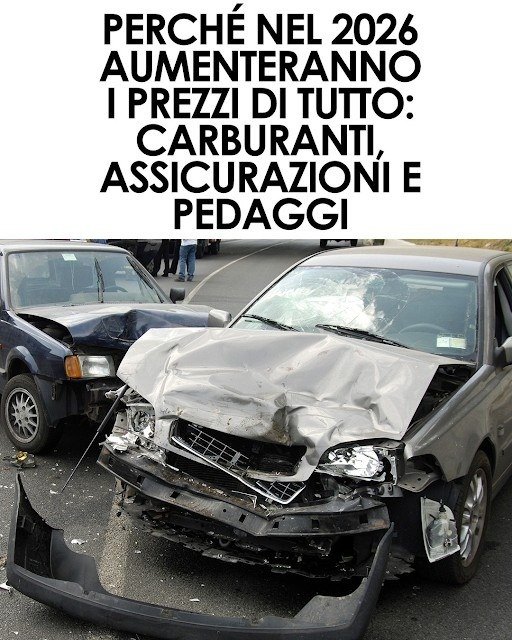
In 2026, Italian households and businesses are waking up to a wave of increases in the cost of goods and services. A combination of fiscal measures already approved in the 2026 Budget Law, adjustments tied to inflation, and sector-specific taxes mean that many everyday expenses — from fuel and transport to vehicle insurance and excise-taxed products — will be more expensive for consumers.
1. Transport Costs: Fuel, Tolls and Logistics Prices Rise
One of the most visible areas where costs are going up is transportation — in part due to changes in excise duties and inflation-linked tariff updates.
Fuel and Diesel Costs
- From January 1, 2026, excise duties on diesel have been increased and aligned with those on petrol — a policy shift that tends to push diesel prices higher at the pump.
- Although petrol duties were slightly lowered, the overall effect is that diesel — widely used for commercial transport and personal vehicles alike — becomes more expensive, affecting household spending and business logistics costs.
Motorway Tolls and Logistics
- Most motorway concessions have adjusted tolls upward by inflation-linked increases of around 1.5% or more, adding to the cost of road travel and goods transport.
- Logistics operators must absorb or pass on higher fuel and toll costs, which can translate into higher prices for transported goods.
For families and businesses that rely on road transport, these increases add up — especially for frequent travellers or companies with large fleets.
2. Insurance Premiums: More Costs for Drivers
Another key upward pressure on costs comes from the insurance sector.
Auto Insurance and Ancillary Coverage
- New tax provisions raise the tax rate on certain insurance guarantees — such as driver injury and roadside assistance coverage — from a lower level (around 2.5%) to notably higher rates (e.g., 12.5%).
- This increase in taxation means insurance companies face higher chargeable costs, which are likely passed on to consumers through higher premiums.
Broader Sector Trends
- Even beyond regulation-driven changes, insurers have cited rising costs in claims, medical care, and repair services as factors that pressure premiums higher. While these dynamics are long-term, they compound the impact of tax changes.
3. Excise Duties: Cigarettes, Carriers and Taxed Products
Excise taxes are a significant source of revenue for the Italian state, and changes in these duties have direct effects on consumer prices.
Tobacco and Cigarettes
- The 2026 Budget includes stepped increases in excise duties on cigarettes and other tobacco products — planned to continue through 2028. This translates into price increases for cigarette packs and related goods.
Parcel Handling and Imports
- New contributions — such as fixed charges on small packages from non-EU countries — raise logistics costs for parcel delivery. These fees are often reflected in higher shipping prices for consumers and businesses alike.
For Complete Cooking STEPS Please Head On Over To Next Page Or Open button (>) and don’t forget to SHARE with your Facebook friends
ADVERTISEMENT
