
ADVERTISEMENT
The Dashboard Button Most Drivers Ignore—and Why It Actually Matters
Modern cars are packed with buttons, icons, and touchscreens that promise safety, comfort, and performance. Yet among all the flashy tech, there’s one small dashboard button most drivers barely notice—or press once and forget forever.
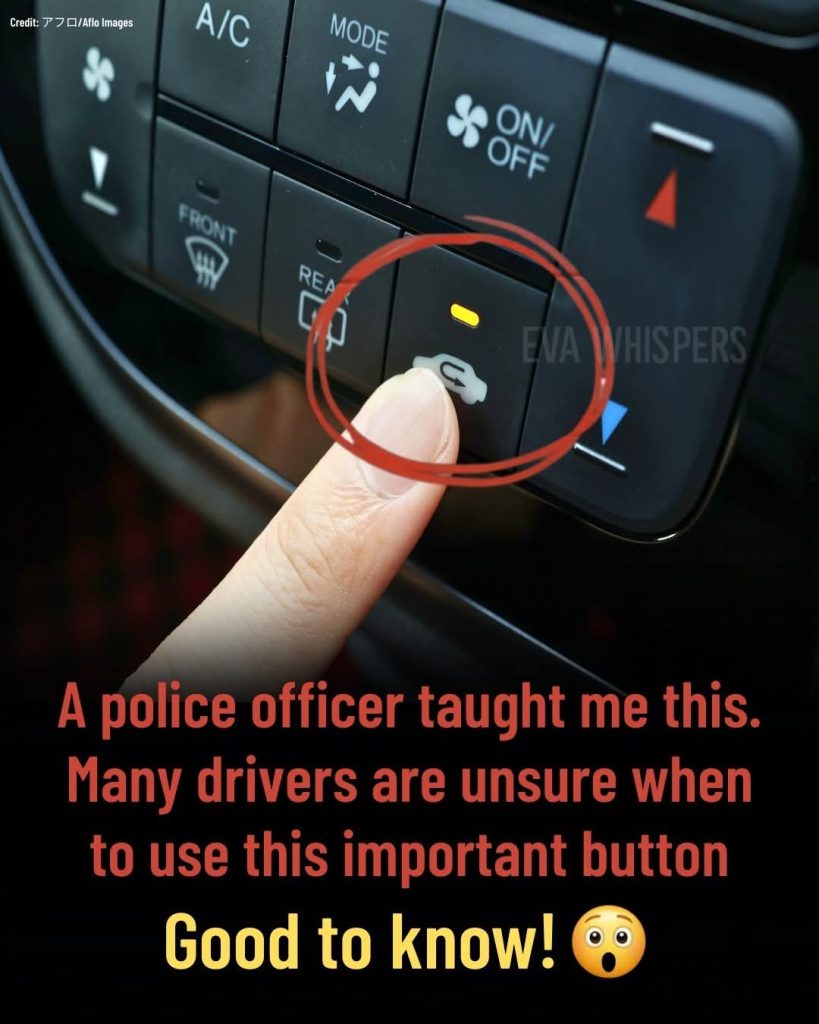
It’s the Traction Control (or Stability Control) button.
And ignoring it can actually affect how safe—and effective—your driving is.
What Is Traction Control, Really?
Traction Control (often labeled TC, TCS, or shown as a car with squiggly lines beneath it) is designed to prevent your wheels from spinning when the road is slippery. It works by automatically reducing engine power or applying brakes to individual wheels when it senses a loss of grip.
In simple terms:
It helps your car stay planted when conditions aren’t ideal.
Most vehicles turn this system on automatically every time you start the engine, which is why many drivers never think about it again.
Why Drivers Ignore the Button
There are a few reasons this button gets overlooked:
- It sounds technical – “Traction control” doesn’t exactly scream everyday usefulness.
- The car works fine without touching it – most of the time.
- Drivers assume it should never be turned off – which isn’t always true.
As a result, many people don’t know what the button does, when to use it, or when not to.
When Traction Control Saves the Day
This system quietly does its best work in situations like:
- Rain-soaked roads
- Snow and ice
- Loose gravel or sand
- Sharp turns taken too quickly
In these moments, traction control can prevent skidding, fishtailing, or total loss of control. It’s especially valuable for inexperienced drivers or in sudden emergency maneuvers.
In short:
If the road is slick, you want traction control ON.
When Turning It Off Actually Helps
Here’s the part most drivers don’t know.
There are times when turning traction control off is the smarter move:
- Stuck in snow or mud – The system may cut engine power when you actually need wheel spin to get unstuck.
- Driving on deep sand – Controlled wheel spin helps maintain momentum.
- Performance or track driving – Advanced drivers may want full control without electronic intervention.
That’s why manufacturers include the button in the first place—it gives you the choice.
The Safety Connection Most People Miss
Traction control is often linked to Electronic Stability Control (ESC), a system proven to reduce single-vehicle crashes and rollovers. Disabling traction control entirely can also reduce stability assistance, depending on the car.
That means pressing that little button without understanding it can change how your car reacts in a crisis.
For Complete Cooking STEPS Please Head On Over To Next Page Or Open button (>) and don’t forget to SHARE with your Facebook friends
ADVERTISEMENT
