
ADVERTISEMENT
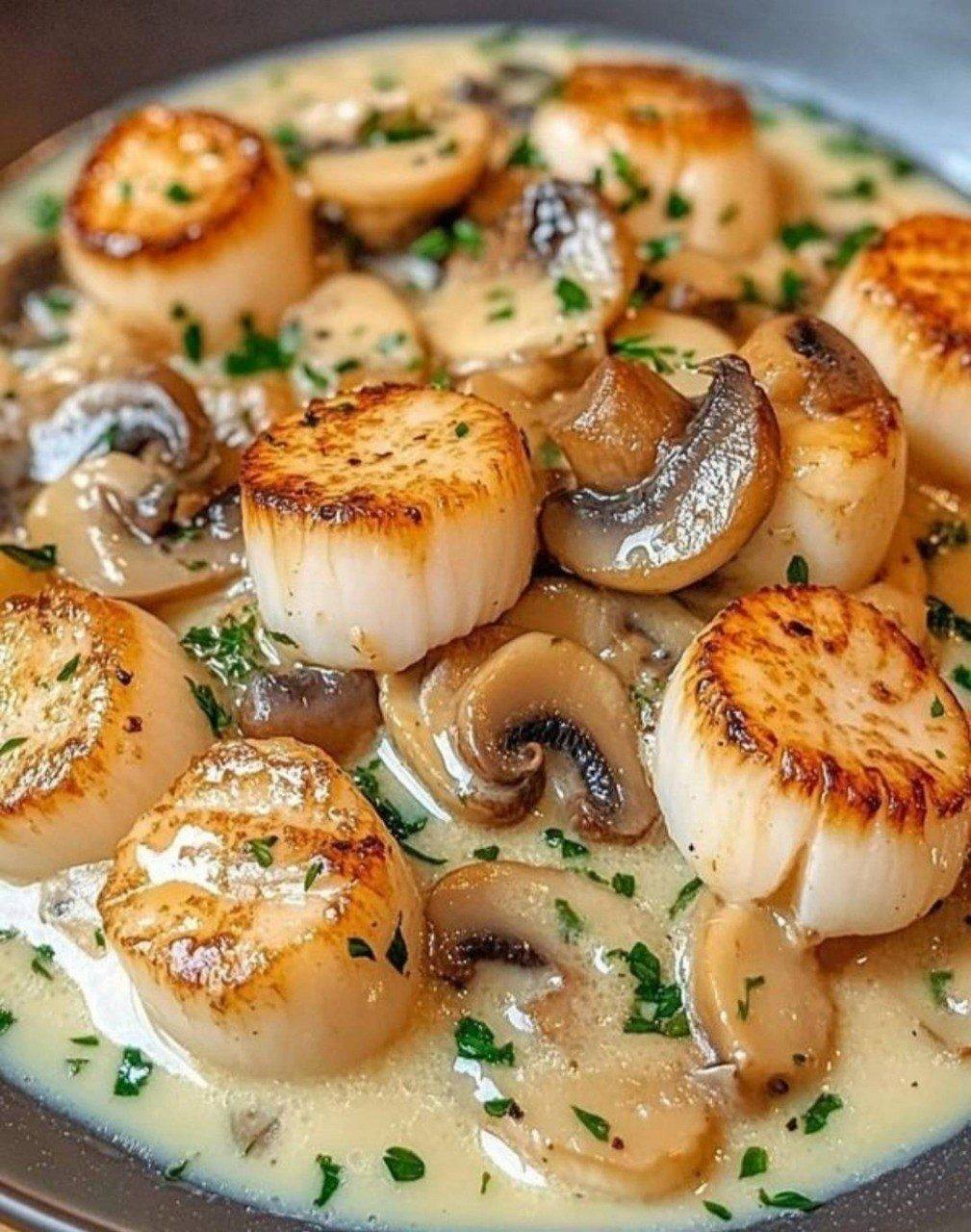
Gourmet Seafood Cassolette: A Symphony of Flavors in Every Bite
Seafood has long held a place of reverence in culinary history. From the bustling markets of coastal towns to Michelin-starred kitchens around the world, fresh fish and shellfish have captured the imaginations—and palates—of gourmands everywhere. Among the myriad of seafood dishes, the gourmet seafood cassolette stands out as a true masterpiece: a dish that blends textures, aromas, and flavors into a single, elegant presentation. In this article, we will dive deep into the world of the seafood cassolette, exploring its origins, the ingredients that make it extraordinary, and how to create this delicacy in your own kitchen.
The Origins of the Seafood Cassolette
The term cassolette originates from the French word casserole, meaning a small, lidded pot used for cooking and serving food. Historically, cassolettes were often associated with French haute cuisine, serving as individual dishes that allowed chefs to present complex combinations of ingredients with elegance and precision.
The seafood cassolette, in particular, emerged as a luxurious way to enjoy the bounty of the sea. While recipes evolved regionally, the core idea remained consistent: fresh seafood, often a combination of shellfish and fish, cooked gently in a creamy, flavorful sauce, and finished with delicate herbs, aromatics, and sometimes a light crust or breadcrumb topping. The dish epitomizes the French culinary philosophy of balance: rich yet refined, hearty yet delicate.
What Makes a Cassolette “Gourmet”?
Not every cassolette can be called gourmet. The distinction lies in several key elements:
Quality of Ingredients
The seafood must be fresh, ideally sourced locally or sustainably. Common ingredients include scallops, shrimp, lobster, crab, mussels, and tender white fish like cod or halibut. The freshness directly impacts the flavor, as seafood is highly sensitive to age and storage conditions.
Sophisticated Sauces
A hallmark of gourmet cassolettes is the sauce. Classic versions often use a béchamel, Velouté, or white wine and cream reduction infused with herbs like tarragon, chervil, and thyme. Some modern interpretations incorporate tomato concassé, saffron, or subtle truffle oil for an extra layer of complexity.
Expert Technique
Cooking seafood requires precision. Overcooking can render delicate scallops rubbery, while undercooking shellfish can be unsafe. A gourmet cassolette requires understanding the cooking times of each component and layering flavors so that every bite is perfectly balanced.
Presentation
Served in individual cassolettes or ramekins, the dish is as much about visual appeal as taste. Chefs often garnish with microgreens, edible flowers, or a light sprinkle of breadcrumbs or grated cheese, creating an inviting, elegant presentation.
Essential Ingredients for a Gourmet Seafood Cassolette
While recipes vary, a typical gourmet seafood cassolette includes a harmonious blend of the following:
Shellfish: Shrimp, scallops, mussels, clams, and lobster.
Fish: Firm white fish such as cod, halibut, or sea bass.
Aromatics: Shallots, garlic, leeks, fennel, and fresh herbs.
Liquids: White wine, fish stock, or a delicate cream.
Seasonings: Salt, pepper, paprika, cayenne, or saffron.
Thickeners (optional): Roux for a creamy consistency or cornstarch for a lighter finish.
Toppings: Grated cheese (Parmesan or Gruyère) or breadcrumbs for a gratin-style finish.
The combination of ingredients depends on the chef’s vision. Some prefer a rich, creamy base reminiscent of French coastal cuisine, while others aim for a lighter, broth-based cassolette highlighting the freshness of each seafood element.
Step-by-Step Guide to Making a Seafood Cassolette
Creating a gourmet seafood cassolette may seem intimidating, but with patience and attention to detail, it is very achievable at home. Here is a step-by-step guide:
- Select Your Seafood
Choose fresh, high-quality seafood. A combination works best:
6 large shrimp, peeled and deveined
4 scallops
1 cup mussels, cleaned
1 small fillet of firm white fish, cubed
- Prepare the Base
Sauté finely chopped shallots and garlic in butter until translucent.
Add leeks or fennel for additional aromatic depth.
Deglaze with ½ cup of dry white wine, letting it reduce by half.
- Make the Sauce
Stir in 1 cup of fish stock and ½ cup of cream.
Season with salt, pepper, and a pinch of saffron if desired.
Simmer gently until slightly thickened.
- Cook the Seafood
Add seafood in stages according to cooking time:
Firm fish first, then scallops, shrimp, and mussels.
Simmer gently until seafood is cooked through (scallops opaque, shrimp pink, mussels open).
- Assemble and Serve
Spoon the mixture into individual ramekins or small casseroles.
Optional: Top with a mixture of breadcrumbs and grated cheese.
Broil for 2–3 minutes to create a golden crust.
Garnish with fresh herbs before serving.
Flavor Pairings and Enhancements
A gourmet seafood cassolette is versatile and allows for creative flavor pairings:
Wine Pairing: A crisp Sauvignon Blanc or a lightly oaked Chardonnay complements the creamy sauce and delicate seafood.
Side Dishes: Light salads, roasted vegetables, or crusty bread to soak up the sauce.
Herb Infusions: Tarragon, dill, or chervil provide aromatic brightness.
Citrus Touches: Lemon zest or a few drops of lemon juice balance richness.
Spice Accents: A hint of smoked paprika or cayenne can add subtle heat without overpowering the seafood.
Regional Variations
While the French version is the most iconic, gourmet seafood cassolettes can be found worldwide with local twists:
Mediterranean: Incorporates tomatoes, olives, and capers for a tangy, briny flavor.
Italian: Often features a saffron-infused risotto base, blending the creamy sauce with rice.
Asian-Inspired: Coconut milk and lemongrass replace cream, with ginger and chili adding warmth and aroma.
Each variation reflects the region’s seafood availability, culinary traditions, and local tastes.
The Art of Presentation
One of the defining features of a gourmet cassolette is its presentation. Individual servings in small casseroles or ramekins make the dish feel intimate and refined. Tips for plating:
Use white or neutral-colored dishes to let the colors of the seafood shine.
Garnish with edible flowers, microgreens, or a sprinkle of paprika for contrast.
Serve with a matching sauce or reduction in a small side jug for elegance.
Presentation is not just aesthetic; it sets the expectation of a luxurious, thoughtful dining experience.
Tips for Success
Making a perfect seafood cassolette requires attention to detail. Here are some expert tips:
Cook Seafood Separately (Optional): For more control, cook shellfish and fish separately, then combine in the sauce before serving.
Keep Ingredients Fresh: Freshness cannot be overstated; the flavor of the seafood is the star.
Control Heat: Use low to medium heat to avoid overcooking delicate seafood.
Layer Flavors: Build depth by adding aromatics, deglazing, and finishing with herbs.
Serve Immediately: The dish is best enjoyed hot, straight from the oven, to preserve texture and flavor.
Health Benefits of Seafood Cassolettes
Aside from being delicious, seafood cassolettes are packed with nutrients:
High-Quality Protein: Essential for muscle repair and overall health.
For Complete Cooking STEPS Please Head On Over To Next Page Or Open button (>) and don’t forget to SHARE with your Facebook friends
ADVERTISEMENT
