
ADVERTISEMENT
Grandma’s Capirotada Recipe: A Taste of Tradition
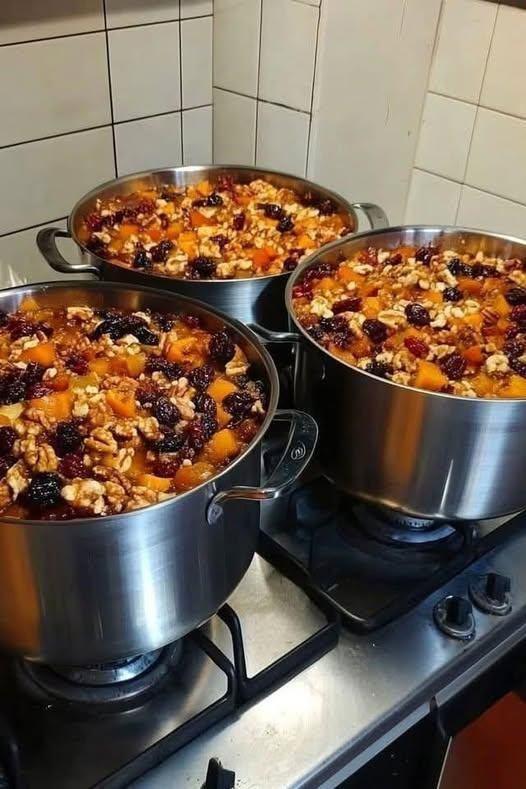
Capirotada is more than just a dessert; it’s a living piece of Mexican history, a culinary symbol of faith, family, and tradition. Often prepared during Lent, this rich bread pudding carries centuries of flavor, symbolism, and nostalgia in every bite. If you’ve ever tasted Capirotada, you know it is sweet, spiced, and comforting in a way that seems to wrap you in a warm, familiar hug. And if you’ve had it made by a grandmother, then you’ve likely experienced the pinnacle of this tradition—a recipe perfected by love and passed down through generations. Today, we’re diving into Grandma’s Capirotada recipe, exploring its history, ingredients, and secrets to making it just like she did.
The History of Capirotada
Capirotada traces its roots back to colonial Mexico, blending indigenous culinary practices with Spanish influences. The dish is a descendant of European bread puddings but has evolved into a uniquely Mexican creation. Traditionally eaten during Lent, Capirotada is deeply tied to religious symbolism. Each ingredient carries spiritual meaning:
Bread: Represents the body of Christ.
Syrup or piloncillo (unrefined cane sugar): Symbolizes the blood of Christ.
Cheese: Stands for the Holy Eucharist.
Nuts and dried fruits: Signify eternal life.
Over time, the dish became a staple for Mexican families, especially in the colder months or during Holy Week, when gatherings centered around cooking and celebrating heritage. Many households have their own version, with each grandmother guarding her secret tweaks—some adding cinnamon, others soaking the bread longer, and a few sprinkling in an extra dash of love.
Why Grandma’s Recipe is Special
Grandma’s Capirotada isn’t just about ingredients or technique; it’s about intuition, patience, and care. Unlike modern quick versions, she takes time to toast the bread just right, to layer flavors with intention, and to let the syrup permeate the layers fully. Every step reflects an unspoken knowledge passed down, a blend of practicality and artistry.
When you follow Grandma’s method, you’ll notice subtle details that make all the difference:
The bread must be slightly stale—fresh bread will turn mushy and compromise texture.
Piloncillo syrup must be simmered slowly to achieve a rich, dark flavor.
Cheese should be added at the right moment to melt just enough to blend with the sweetness, creating a creamy counterbalance.
These little secrets are what transform Capirotada from a simple dessert into a comforting culinary masterpiece.
Ingredients You’ll Need
Here’s a list of ingredients for Grandma’s classic Capirotada. These quantities make a dish for 6–8 people.
Bread Layer:
8–10 slices of bolillo or French bread (stale is best)
2 tablespoons butter (for toasting)
Syrup:
1 cup piloncillo or dark brown sugar
2 cups water
2 cinnamon sticks
3 cloves
Zest of 1 orange (optional, but adds brightness)
Fillings:
1/2 cup shredded manchego cheese (or any mild melting cheese)
1/2 cup toasted pecans or walnuts
1/2 cup raisins or other dried fruits
1/4 cup shredded coconut (optional, for extra texture)
1 teaspoon vanilla extract
Optional toppings:
More cheese for layering
Extra nuts or cinnamon
Step-by-Step Preparation
Grandma’s method is all about patience and layering flavors. Follow these steps closely for the authentic experience.
- Prepare the Bread
Slice the bread into 1/2-inch thick pieces.
Lightly butter each slice on both sides.
Toast the slices on a skillet or oven until golden brown. Set aside.
- Make the Syrup
In a medium saucepan, combine water, piloncillo, cinnamon sticks, cloves, and orange zest.
Simmer over medium heat, stirring occasionally until the piloncillo dissolves completely.
Let the syrup reduce slightly; it should be thick but pourable.
Remove cloves and cinnamon sticks.
- Layering the Capirotada
Preheat the oven to 350°F (175°C).
In a greased baking dish, layer toasted bread slices.
Pour a portion of the syrup over the bread, just enough to soak but not drown.
Sprinkle with cheese, nuts, and raisins.
Repeat layers until all ingredients are used, finishing with cheese on top.
- Baking
Cover with foil and bake for 20–25 minutes.
Remove foil and bake for another 10–15 minutes to lightly brown the top.
Allow the Capirotada to cool slightly before serving.
Tips for Perfect Capirotada
Grandma’s wisdom offers a few crucial tips:
Use stale bread: Fresh bread absorbs too much syrup and becomes soggy. Slightly dry bread ensures layers hold their shape.
Balance sweetness and texture: The combination of syrup, nuts, and cheese should be harmonious—too much syrup can overwhelm, too little can make it dry.
Rest before serving: Allowing the Capirotada to sit for 10–15 minutes enhances flavor melding.
Customize with care: Add your favorite dried fruits or spices, but respect the balance of sweet, salty, and nutty flavors.
Variations to Try
Even Grandma would encourage experimentation, as long as the essence is preserved.
Chocolate Capirotada: Add 2–3 tablespoons of cocoa powder to the syrup for a richer twist.
For Complete Cooking STEPS Please Head On Over To Next Page Or Open button (>) and don’t forget to SHARE with your Facebook friends
ADVERTISEMENT
