
ADVERTISEMENT
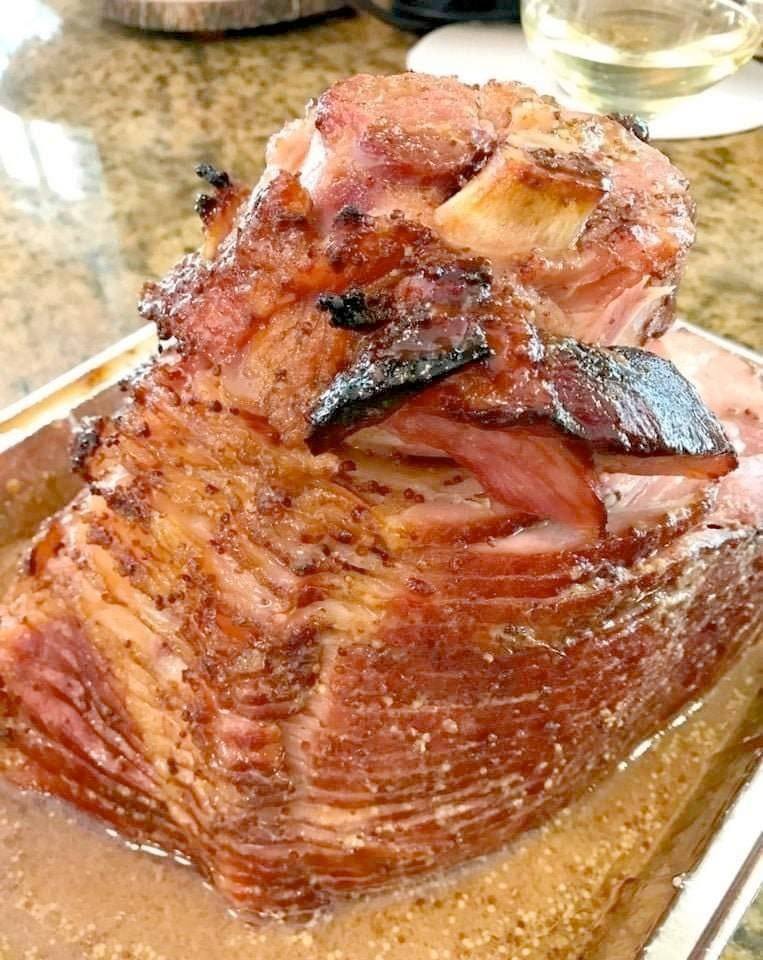
The Ultimate Honey Baked Ham Christmas Recipe: Sweet, Savory, and Perfectly Glazed
The holiday season is a time of tradition, celebration, and indulgence. And while every family has its signature dish, few things evoke the spirit of Christmas quite like a Honey Baked Ham. With its caramelized, sugary crust and tender, juicy interior, this dish is a showstopper on any holiday table. It’s the centerpiece everyone remembers, the dish that draws compliments, and—let’s be honest—the part of Christmas dinner that makes leftovers the highlight of the week to come.
In this blog post, we’re going to explore everything you need to know to make the perfect Honey Baked Ham this Christmas. From selecting the right ham, to creating a mouthwatering glaze, to cooking techniques that keep it moist and flavorful, this post is your ultimate guide.
A Brief History of the Honey Baked Ham
Before we dive into the recipe, let’s take a moment to appreciate the origins of the Honey Baked Ham. The concept of glazing ham isn’t new. For centuries, cooks around the world have slathered cured pork with sweet, sticky coatings—honey, maple syrup, brown sugar, or fruit preserves—to enhance flavor and create an appealing crust.
The Honey Baked Ham Company, founded in 1957 by Harry J. Hoenselaar, popularized the spiral-cut ham in the United States. Spiral-cut hams are designed to make serving easy; the thin, even slices are perfect for holiday gatherings. The sweet glaze, often a combination of honey, brown sugar, and sometimes mustard or spices, caramelizes during baking, forming the iconic golden-brown crust.
But you don’t need a store-bought ham to achieve the same delicious result. With the right techniques, any fully cooked, spiral-sliced ham can become a dazzling centerpiece worthy of a holiday feast.
Selecting the Perfect Ham
The first step in any great Honey Baked Ham is choosing the right cut. Here are the main types of ham available:
Spiral-Cut Ham
Pros: Already sliced for easy serving, cooks evenly, great for presentation.
Cons: Often fully cooked, so it’s more about warming and glazing than deep cooking.
Bone-In Ham
Pros: More flavor because of the bone, slightly juicier.
Cons: Requires manual slicing; may take longer to heat.
Boneless Ham
Pros: Easy to carve, fits nicely in smaller ovens.
Cons: Slightly less flavor, requires careful handling to avoid drying out.
Tip: For a classic Honey Baked Ham experience, spiral-cut, bone-in ham is ideal. Its slices stay tender, and the bone adds richness to the flavor.
Ingredients for the Ultimate Glaze
The glaze is the star of the show. It should be sweet, sticky, and slightly caramelized, with a hint of complexity. Here’s a classic Honey Baked Ham glaze:
1 cup honey
½ cup brown sugar, packed
2 tablespoons Dijon mustard (optional for tang)
1 teaspoon ground cloves or allspice
2 tablespoons apple cider vinegar or orange juice for acidity
1 tablespoon unsalted butter (for richness)
Optional extras:
A splash of bourbon or rum for depth
A pinch of cayenne for subtle heat
Orange zest for brightness
This combination gives you a balance of sweet, savory, tangy, and aromatic, ensuring the ham is more than just sugar on pork.
Preparing the Ham
Even if your ham is fully cooked, proper preparation ensures maximum flavor and moisture.
Remove Packaging:
Take the ham out of its packaging, and remove any plastic disks covering the bone (these are only for stability in spiral-cut hams).
Pat Dry:
Use paper towels to remove excess moisture. This allows the glaze to stick and caramelize properly.
Score the Surface (Optional):
For non-spiral-cut hams, lightly score the surface in a diamond pattern. This gives the glaze a chance to seep in and creates beautiful caramelized ridges.
Set Aside:
Preheat your oven to 325°F (160°C) and let the ham come to room temperature for about 20–30 minutes.
Making the Honey Baked Ham Glaze
Glazes can be made ahead of time and stored for convenience. Here’s a step-by-step guide:
Combine Ingredients:
In a small saucepan, mix honey, brown sugar, mustard, cloves, and your chosen liquid (orange juice or cider vinegar).
Heat Gently:
Warm over medium heat until the sugar dissolves, stirring constantly. Avoid boiling, as this can crystallize the sugar.
Add Butter at the End:
Stir in butter for extra shine and richness.
Taste and Adjust:
Sweet, tangy, slightly spicy? Perfect. Too sweet? Add more acid. Too thick? Add a splash of water or juice.
Baking the Ham
Step 1: Preparing the Pan
Place the ham cut-side down in a roasting pan.
Add ½ cup water or apple juice to the bottom of the pan. This keeps the ham moist while baking.
Cover loosely with aluminum foil to prevent over-browning.
Step 2: Initial Heating
Bake at 325°F (160°C) for 10–12 minutes per pound.
If using a 7-pound spiral ham, this is about 1 hour and 15 minutes.
Keep it covered to retain moisture.
Step 3: Glazing
During the last 20–30 minutes of baking, brush the glaze generously over the ham.
Return to the oven uncovered to allow the glaze to caramelize.
Brush 2–3 more times for a sticky, glossy finish.
Tip: Use a basting brush, spoon, or even a small ladle to coat the ham evenly. Don’t skimp on glaze—it’s the flavor hero.
Serving Suggestions
A Honey Baked Ham deserves sides that complement its sweet and savory richness:
Mashed potatoes – buttery and creamy for balance.
Roasted Brussels sprouts – caramelized to echo the ham’s glaze.
Candied sweet potatoes – a double hit of sweetness that harmonizes beautifully.
Green beans almondine – for crunch and color contrast.
Dinner rolls – to sop up that leftover glaze.
Don’t forget a drizzle of the leftover glaze over the slices when plating—it elevates the presentation and intensifies flavor.
Tips for Perfect Leftovers
Honey Baked Ham is even better the next day. To store:
Slice and place in an airtight container.
Cover with a bit of leftover glaze or broth to keep slices moist.
Reheat gently in the oven at 275°F (135°C) until warmed through.
Pro Tip: Turn leftover ham into sandwiches, pasta, or omelets—the sweet glaze makes every dish better.
Flavor Science: Why Honey Baked Ham Tastes So Good
Why is honey-baked ham so addictive? It’s science:
Maillard Reaction – The sugar in the glaze and natural proteins in the ham caramelize, creating deep, savory notes.
Sweet-Salty Balance – Salted ham plus sugar hits both sides of your taste spectrum, satisfying cravings.
Aroma Compounds – Cloves, mustard, and citrus release volatile compounds when heated, enhancing the sensory experience.
Moisture Retention – Even a fully cooked ham can dry out, but glazing and covering lock in juiciness.
This is why store-bought Honey Baked Ham is irresistible—but homemade can be just as magical.
For Complete Cooking STEPS Please Head On Over To Next Page Or Open button (>) and don’t forget to SHARE with your Facebook friends
ADVERTISEMENT
