
ADVERTISEMENT
Yellow Crust When Waking Up: What Does That Mean? (A Complete Guide)
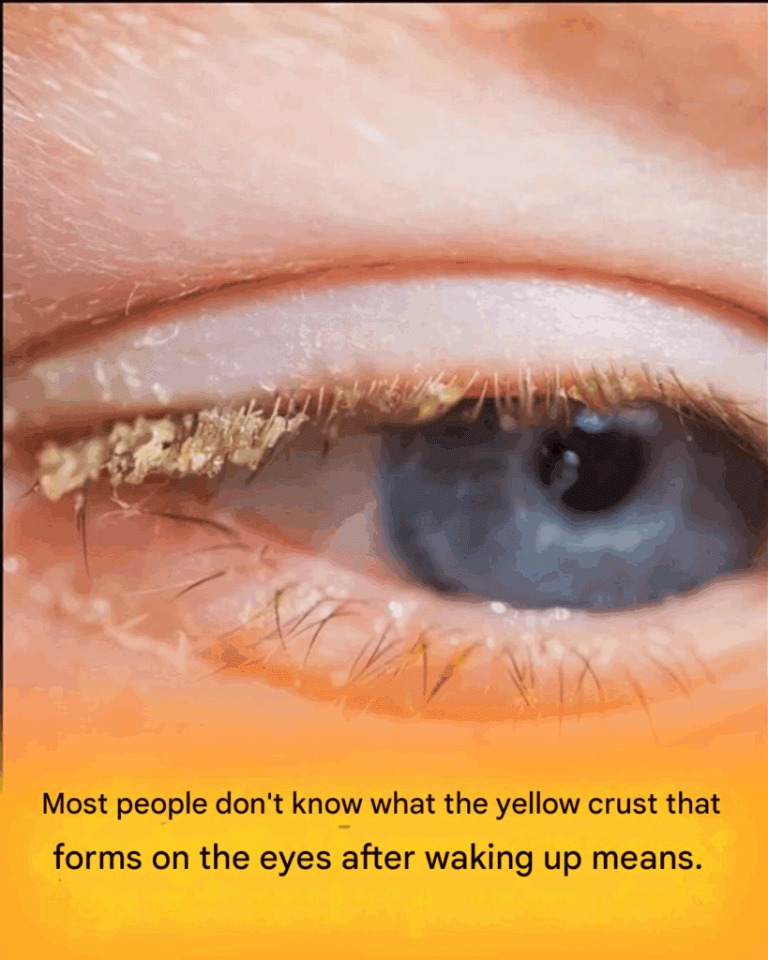
There’s a moment every one of us has likely experienced: you wake up, rub your eyes — and discover a bit of crusty, yellow residue at the corners of your eyelids. Some people call it “sleepies,” “eye gunk,” “eye boogers,” or “sleep crust,” but medically it’s known as rheum. While it sounds gross, this substance is surprisingly common and usually perfectly normal.
But the color, amount, and accompanying symptoms can tell us a lot about what’s going on with your eye health. In this article, we’ll explore what yellow crust means when you wake up, why it happens, when it’s harmless, and when it’s time to seek medical help.
- What Exactly Is That Yellow Crust?
That crusty stuff you see after waking is medically called rheum. It’s a mixture of mucus, tears, oils, skin cells, dust, and tiny particles that build up while you sleep. During the day, blinking helps wash this material away. At night, when blinking stops, rheum can accumulate and dry out, forming the crusty residue on your eyelids or in the corners of your eyes.
Why It Happens
Your eyes continuously produce tears and lubrication to keep them moist and free from irritants. This tear film consists of three layers — oily, watery, and mucus — that together protect the eye’s surface. While you’re awake, blinking helps distribute this tear film and flush out debris. But at night, blinking stops, and the tear film components can build up at the corners of your eyes. As this mixture dries, it becomes the crust you wipe away in the morning.
- Is It Normal to See Yellow Crust in the Morning?
Yes — in most cases, a small amount of pale yellow or whitish crust is completely normal.
When the crust is light in color, minimal in amount, and not accompanied by any discomfort, it’s usually just dried tears, oils, and skin cells. Some people even have slightly yellow‑tinged residue simply because the mucus and proteins in tears can appear yellow when dried.
This type of crust is nothing to worry about. It’s essentially your body’s normal way of clearing out microscopic debris overnight. Think of it as your eyes’ “nightly clean‑up crew.”
- What Causes the Yellow Color?
The yellowish hue in morning crust comes from the composition of your tear film, particularly mucus and proteins that dry overnight. Tear fluid contains components such as lysozyme — an antibacterial protein — which can give discharge a yellow tint when dried.
Also, microscopic particles like dust, skin cells, or oil from the eyelid margins mix with tear components and dry into a pale yellow crust. This is typically harmless and part of the natural process.
- When Yellow Crust Is Still Normal
There are many harmless scenarios where waking up with yellowish crust is considered normal:
✔ Small Amounts Only Upon Waking
If the crust is confined to the lashes or eyelid corners and appears only when you first wake up, that’s usually normal and harmless.
✔ No Other Symptoms
If the crust is light, you’re not experiencing redness, irritation, pain, swelling, or blurred vision, it probably isn’t a cause for concern.
✔ It Clears Quickly
Many people notice crust in the morning but can easily wash it away, with no lingering discomfort. This is often just “eye rheum.”
- Common Harmless Causes of Morning Crust
Let’s break down the main reasons people wake up with crusty yellow stuff around their eyes — starting with the most common, non‑serious ones.
Natural Rheum Production
As mentioned, eyes naturally produce mucus, oil, and tears. At night, this builds up without blinking to clear it away.
Dry Sleep Environment
Sleeping in dry air — from heated rooms or air conditioning — can make your eyes produce more mucus, which can lead to increased crust formation by morning.
Allergies
Environmental allergens like pollen, dust mites, or pet dander can irritate eyes and trigger more mucus production at night. This can cause slightly elevated amounts of crust in the morning, without necessarily indicating an infection.
Incomplete Makeup Removal
If eye makeup isn’t fully removed before bed, particles can mix with tear film residues and contribute to crust buildup. That’s why thorough cleansing before sleep helps reduce morning crust.
- When Yellow Crust Might Signal a Problem
While some yellow crust is normal, excessive, thick, or persistent yellow discharge can signal an underlying issue — especially if paired with other symptoms.
Here are some conditions where yellow crust is more than just “eye gunk.”
Bacterial Conjunctivitis (“Pink Eye”)
This common eye infection often produces thick, sticky, yellow or greenish discharge. It can cause the eyelids to stick together upon waking, and the discharge may occur throughout the day, not just in the morning.
Other signs may include:
Redness and irritation
Itchiness
Increased tearing
Feeling like there’s grit or sand in the eye
Bacterial conjunctivitis often requires medical treatment, such as antibiotic eye drops or ointment.
Blepharitis (Eyelid Inflammation)
Blepharitis is inflammation of the eyelid margins and can cause increased yellowish crust at the eyelid base.
Symptoms include:
Greasy flakes or crusty debris around eyelashes
Itchiness or burning
Red or swollen eyelid margins
This condition often requires proper eyelid hygiene and, in some cases, prescription treatments.
Blocked Tear Duct or Stye
A blocked tear duct or a stye (infected oil gland at the eyelid edge) can cause localized yellow discharge that crusts overnight. These conditions often present with:
Pain or tenderness
Localized swelling
Persistent crust in one eye more than the other
If it’s painful or doesn’t improve, medical evaluation is recommended.
Allergic Conjunctivitis
Unlike bacterial infections, allergic conjunctivitis can produce a watery or stringy discharge rather than thick yellow pus, but sometimes it can be accompanied by mild yellow crust if the irritation is significant. Symptoms include:
Itchy eyes
Redness
Puffy eyelids
Watery discharge
Even though this isn’t an infection, it’s still worth treating with allergy management and eye care techniques.
- Symptoms That Suggest You Should See a Doctor
Sometimes, yellow crust is more than just morning gunk — and these additional symptoms often indicate that it’s time to seek professional care:
Red or Painful Eyes
Persistent redness, pain, or discomfort are not normal and warrant a closer look.
Eyes Stuck Shut Most of the Morning
If your eyelids remain matted together or difficult to open after waking, this could indicate infection or more severe discharge.
Very Thick Yellow or Green Discharge
This often points to bacterial infection rather than just dried tears or mucus.
Blurry Vision or Light Sensitivity
If you experience changes in vision or are highly sensitive to light, these are red flags that need prompt evaluation.
Persistent or Worsening Symptoms
If the problem persists for days or worsens, don’t assume it will resolve on its own.
- How to Properly Clean the Crust Without Irritating Your Eyes
You don’t want to rub or irritate your eyes — but cleaning them gently can help reduce crust buildup and improve comfort.
Step‑by‑Step Morning Eye Cleaning
Wash Your Hands First
Always begin by washing your hands. Touching your eyes with unwashed hands can introduce bacteria.
Warm Compress
Place a warm, damp washcloth over closed eyes for several minutes. This softens the crust and makes it easy to remove.
Gentle Wiping
Using a clean, warm cloth or cotton pad, gently wipe from the inner corner outward. Don’t tug or use pressure.
Avoid Harsh Products
Don’t use soaps or cleansers directly on your eyes. Simple water or ophthalmologist‑recommended solutions are best.
- Preventing Excessive Yellow Crust
Here are some easy ways to reduce morning eye crust:
✔ Keep Eyelids Clean Every Night
Remove makeup and gently cleanse the eyelid margins before bed. This helps reduce debris buildup overnight.
✔ Maintain Good Eye Hygiene
Periodically clean around your eyelashes if you’re prone to blepharitis or crust buildup. Warm compresses can help keep oil glands functioning well.
✔ Manage Allergies
If allergies are a factor, controlling environmental triggers and using appropriate allergy medications can reduce eye irritation.
✔ Avoid Touching Your Eyes During the Day
Touching can spread irritants or bacteria that lead to increased discharge overnight.
- Special Situations and Additional Considerations
While most yellow crust cases are eye‑related, sometimes you might see crusty discharge in other areas — like around your nose after sleeping — which could be related to similar mucus buildup.
For Complete Cooking STEPS Please Head On Over To Next Page Or Open button (>) and don’t forget to SHARE with your Facebook friends
ADVERTISEMENT
