
ADVERTISEMENT
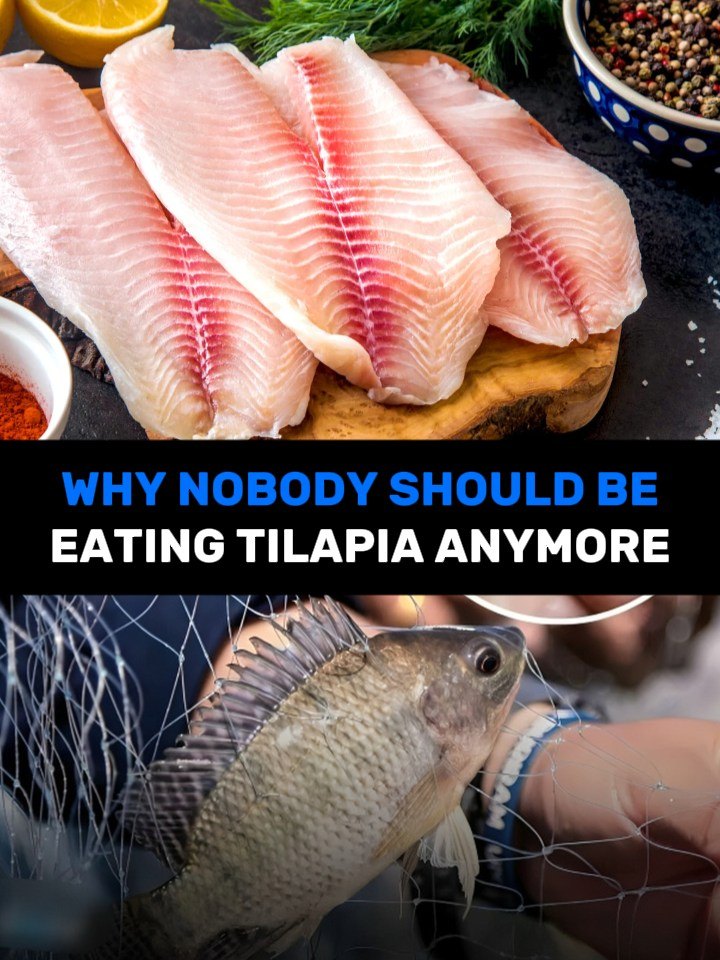
Why Nobody Should Be Eating Tilapia Anymore — The Full Truth Behind the Cheap Fish
Tilapia has for years been one of the most popular fish sold in grocery stores, fast‑food fish sandwiches, and restaurants across the world. It’s affordable, mild in flavor, and widely available — especially farm‑raised tilapia from large aquaculture operations. But in the past decade, an alarming narrative has circulated on social media, health blogs, and consumer forums: tilapia isn’t just a mediocre fish — it might actually be bad for human health and the environment.
Some of this reputation is exaggerated or based on myths, while other concerns are grounded in real issues with how tilapia is raised and processed. In this blog post, we dig deep into why many experts, food advocates, and concerned consumers argue that tilapia should be off the menu. We’ll examine nutritional problems, contaminants, farming practices, environmental damage, and the latest research — so you can decide for yourself what’s best to eat.
What Is Tilapia — And Why Do People Eat It?
Before we explain the controversy, it’s important to understand what tilapia actually is.
Tilapia refers to several species of freshwater fish originally native to Africa and the Middle East. They are hardy, fast‑growing, and can thrive in a range of water conditions — making them extremely popular for aquaculture (fish farming). Today, most tilapia consumed globally is farmed, not wild‑caught, and much of it comes from countries like China, Indonesia, and Egypt.
While tilapia is marketed as a healthy source of lean protein, critics say that the way most tilapia is raised and fed significantly undermines those health benefits. The main concerns fall into several categories: nutritional imbalance, contaminants and residues, poor farming practices, and environmental harm.
- Tilapia’s Fatty Acid Imbalance May Promote Inflammation
One of the biggest nutritional arguments against tilapia is its fatty acid profile.
Most people eat fish to get omega‑3 fatty acids — essential fats that support heart health, brain function, and reduced inflammation. But tilapia typically contains very low levels of omega‑3s and higher levels of omega‑6 fatty acids, which in excess can promote inflammation.
A 2008 study cited by nutrition commentators found that tilapia may have an omega‑6 to omega‑3 ratio as high as 11:1, far above the ideal balance of about 2–4:1 recommended for health. Many other oily fish are rich in omega‑3s, which are linked to lower risk of heart disease, better mood regulation, and reduced arthritis symptoms. Tilapia’s relatively poor omega‑3 content means it doesn’t deliver the anti‑inflammatory benefits people usually seek from eating fish — and its high omega‑6 content may actually worsen inflammation in some people.
This imbalance has made some nutrition experts question whether tilapia is worth eating at all if your goal is cardiovascular health and anti‑inflammatory benefits.
- Contaminants and Chemical Residues Are a Real Concern
Another major issue with tilapia — especially farm‑raised — is the presence of contaminants that can build up in the fish.
Many of the tilapia sold in global markets are raised in crowded, industrial aquaculture ponds, where water quality and sanitation are less than ideal. In these conditions:
Antibiotics are used to prevent disease outbreaks in fish crowded together.
Pesticides may be used to treat parasitic infestations.
Heavy metals from polluted water can be absorbed into the fish’s tissues.
Industrial chemicals — including dioxins and similar pollutants — can accumulate.
Studies and environmental reports have documented traces of pesticides, antibiotics, and other chemicals in farmed fish, including tilapia.
Antibiotic use in tilapia farming is particularly troubling because leftover residues can remain in the fish’s flesh and contribute to antibiotic resistance in humans and surrounding ecosystems, a serious public health concern recognized by global health organizations.
Some investigations have also linked industrial chemicals like dibutyltin and dioxins — often associated with plastics and pollution — to farm‑raised tilapia. While the studies vary in size and scope, the possibility of these toxins accumulating in the body for years after exposure is enough to make many consumers cautious.
- Farming Conditions Can Be Unsanitary and Unregulated
Unlike wild‑caught fish that live in natural ecosystems, tilapia are almost always farmed in artificial environments. The quality of those environments varies enormously — from responsibly managed farms to poorly regulated operations in developing regions.
Why does this matter? Because the conditions under which the fish are raised directly affect their health, the water they live in, and ultimately the safety of the food on your plate.
In many countries with lax food safety standards, tilapia are raised in overcrowded ponds with poor water circulation, high waste buildup, and significant disease risk. These conditions make fish more likely to carry pathogens like Vibrio, Salmonella, or Streptococcus, which can cause foodborne illness if the fish is not handled or cooked properly.
Moreover, aquaculture ponds can become polluted with fecal matter, uneaten feed, and antibiotics, creating an environment where contaminants thrive. This not only affects the fish but can also have downstream effects on water quality for nearby communities and ecosystems.
- Some Farming Practices May Increase Cancer Risk
One of the more alarming claims linked to tilapia consumption is that certain farming practices — particularly in regions with heavy industrial pollution — may increase the risk of cancer.
Investigative reports have found that some tilapia farms in industrialized areas use animal waste (such as poultry or pig manure) in fish feed — a practice that may introduce harmful contaminants into the fish itself. These contaminants, along with pollutants in the water, could increase cancer risk compared with eating wild fish. There is some evidence to suggest that consumers of tilapia from such environments might have higher exposure to carcinogenic compounds.
However, these findings are not universal, and regulatory agencies in some countries have tighter controls on what is permitted in aquaculture. Still, the possibility of increased exposure to harmful chemicals has driven many consumers to avoid tilapia entirely.
- Heavy Metal Contamination Cannot Be Seen or Cooked Away
Heavy metals like mercury, lead, cadmium, and arsenic pose another potential risk. Although tilapia usually have lower mercury levels than larger predatory fish, they can still accumulate heavy metals from polluted water, feed, or sediment.
Heavy metals can affect human health in different ways:
Neurological impairment
Kidney dysfunction
Hormone disruption
The insidious thing about heavy metals is that you can’t detect them by looking at or tasting the fish, and normal cooking does not remove them from the tissue. Over time, even low levels of heavy metal consumption can build up in the body.
- Poor Feeding Practices Lead to Lower Nutritional Value
Many tilapia farms feed their fish with cheap grain‑based pellets containing corn and soy — a diet very different from what wild fish would eat. This not only alters the nutritional profile of the fish but also reduces its levels of desirable nutrients.
Wild fish tend to have higher beneficial fats, vitamins, and natural micronutrients. When fish are raised on subpar feed, they end up with lower levels of omega‑3s and fewer vitamins — reducing much of the supposed health benefit of eating seafood in the first place.
Poor feed quality can also introduce contaminants when the feed ingredients themselves are sourced from polluted environments — another mechanism by which pesticides, heavy metals, and toxins get into the fish.
- Environmental Harm from Tilapia Farming Is Widespread
The problems with tilapia aren’t just about human health — they also extend to the environment.
Intensive tilapia aquaculture can contribute to water pollution through nutrient runoff, which leads to algal blooms and oxygen depletion in surrounding waterways — a process called eutrophication. This creates “dead zones” where aquatic life cannot survive.
Tilapia ponds are often built by clearing natural habitats like mangroves and wetlands — ecosystems that are vital for biodiversity, coastal protection, and carbon storage. Destroying these habitats worsens climate change and reduces natural defenses against storms and erosion.
For Complete Cooking STEPS Please Head On Over To Next Page Or Open button (>) and don’t forget to SHARE with your Facebook friends
ADVERTISEMENT
