
ADVERTISEMENT
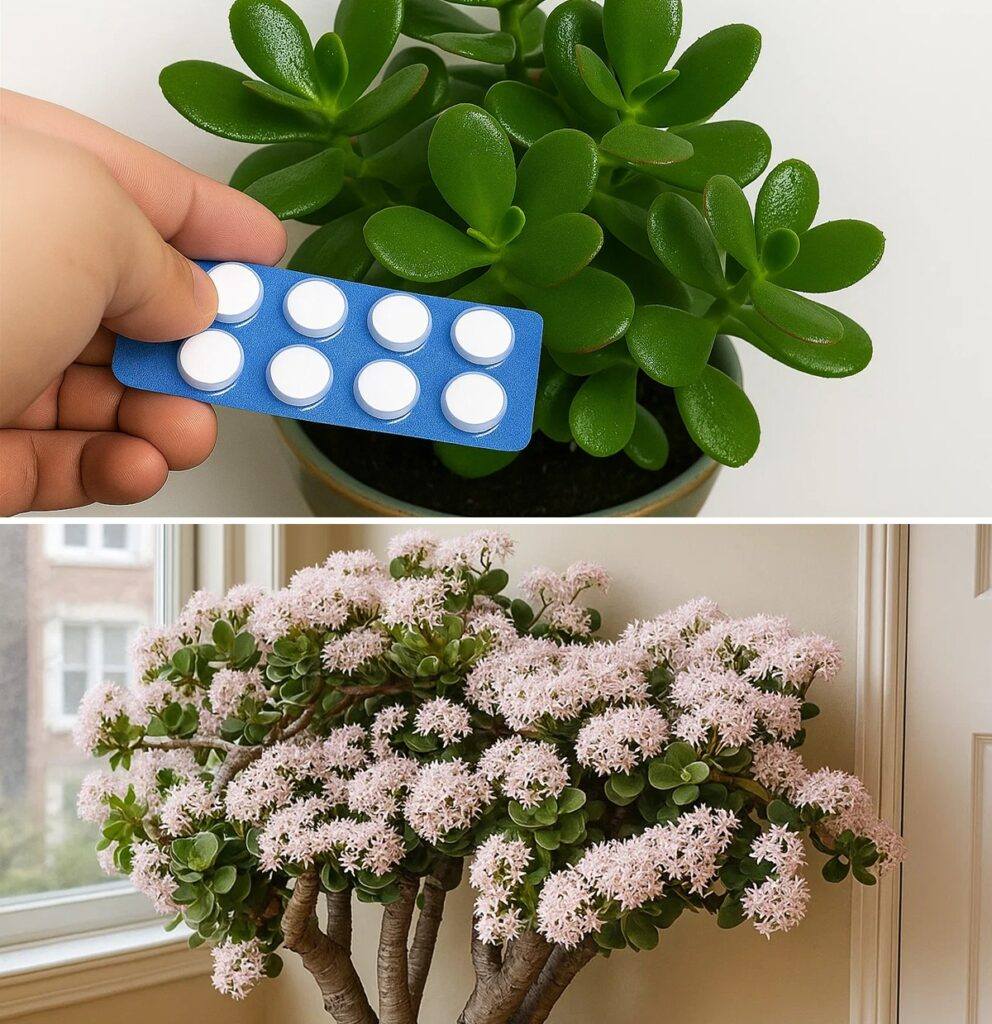
The Secret Ingredient to Making the Jade Tree Bloom Abundantly
The jade tree, or Crassula ovata, is more than just a succulent—it is a symbol of luck, prosperity, and resilience. Known for its thick, glossy leaves and tree-like structure, the jade plant is a favorite among gardeners and indoor plant enthusiasts alike. But for all its hardiness, coaxing a jade tree into full bloom can feel like a mysterious art. Flowers are rare, delicate, and immensely rewarding when they appear. So, is there a secret recipe to trigger abundant blossoms? The answer is yes—and it might surprise you.
In this article, we’ll explore the science, care techniques, and that all-important “secret ingredient” that can transform your jade tree from a leafy green beauty into a flowering spectacle. Think of this as your ultimate recipe for success—one part horticultural knowledge, one part timing, and one part magic.
Understanding the Jade Tree and Its Blooming Cycle
Before we reveal the secret ingredient, it’s crucial to understand why jade plants don’t bloom easily. Unlike some houseplants that flower frequently, the jade tree is naturally slow to flower. Several factors influence its blooming:
Age and Maturity: Most jade plants need to be at least three to five years old before they flower. Young plants focus their energy on growth rather than reproduction.
Seasonal Triggers: Jade plants are winter bloomers, typically flowering in late winter to early spring. The shorter daylight hours and cooler temperatures help signal the plant to produce buds.
Stress Factors: Interestingly, a little bit of stress is beneficial. When jade plants experience slightly challenging conditions—less water, cooler temperatures—they are more likely to bloom.
Sunlight: Bright, indirect sunlight is essential. Without adequate light, your jade plant may never produce the tiny star-shaped blossoms it’s famous for.
Knowing these factors helps set realistic expectations and provides the foundation for our “blooming recipe.”
Step 1: Choosing the Right Soil and Container
Every great recipe starts with quality ingredients, and for jade trees, soil and container choice are critical. Jade plants thrive in well-draining soil. A commercial succulent or cactus mix is ideal, but you can also make your own blend with:
2 parts potting soil
1 part coarse sand or perlite
1 part small gravel
The key is drainage. Jade trees hate soggy roots, and waterlogged soil will inhibit blooming and may even kill the plant.
Next, choose a container with a drainage hole. Terracotta pots are excellent because they allow the soil to dry out more quickly, mimicking the jade plant’s natural habitat. Avoid overly large pots; jade trees bloom better when slightly root-bound.
Step 2: Mastering Watering Techniques
Watering is another crucial part of our bloom recipe. Jade plants store water in their thick leaves, which means overwatering is the most common mistake that prevents flowering.
Tips for optimal watering:
Water deeply but infrequently. Allow the top 2 inches of soil to dry out completely before watering again.
Reduce watering in the fall and winter. The plant’s natural dormancy period encourages flowering in early spring.
Avoid getting water on the leaves, which can lead to rot.
A well-watered jade plant may grow lush green leaves, but careful restraint in watering is part of the secret to producing blooms.
Step 3: Providing the Perfect Light
Sunlight is a non-negotiable ingredient. Jade trees need at least 4–6 hours of bright, indirect sunlight per day to bloom. South-facing windows are ideal, but east or west-facing windows can work if supplemented with artificial grow lights during winter months.
Too little light leads to leggy growth and no flowers, while too much direct sunlight can scorch the leaves. The goal is bright, steady light with a balance of warmth, just like the plant would experience in its native South African habitat.
Step 4: The Secret Ingredient—Cold Stress
Here’s where most guides stop short, but this is the critical factor that transforms your jade plant into a flowering machine: controlled cold stress.
Jade trees naturally bloom in response to winter temperatures. Exposing your plant to cooler conditions (around 50°F–55°F or 10°C–13°C) for 6–8 weeks can trigger bud formation. This isn’t harsh treatment—just a gentle, seasonal stress that signals the plant to reproduce.
How to apply cold stress:
Move the plant to a cooler room, a sunroom, or near a window that gets cold winter drafts.
Keep watering minimal—just enough to prevent shriveling.
Ensure the plant still gets bright light, even in cooler conditions.
This “secret ingredient” of mild cold stress mimics nature and activates the hormonal triggers for flowering. Without it, jade trees often remain leafy and never show their spectacular blooms.
Step 5: Fertilizing for Flower Power
Once your jade plant has experienced cold stress, it’s time to feed it carefully. Fertilization provides the nutrients needed to produce blooms.
Use a balanced succulent fertilizer (10-10-10) or a bloom-boosting fertilizer with higher phosphorus (e.g., 5-10-5).
Fertilize sparingly—once a month during the active growing season (spring and summer).
Stop fertilizing during winter when the plant is dormant; overfeeding during dormancy can prevent flowering.
Remember, too much fertilizer encourages leafy growth at the expense of flowers. The right amount, combined with cold stress, creates the perfect balance for blossom production.
Step 6: Patience and Observation
Even with perfect care, jade tree flowers can be elusive. Patience is part of the recipe. Keep an eye on your plant for early signs of buds forming at the tips of branches, which may start as tiny red or pink bumps. Over weeks, these buds gradually open into clusters of fragrant white or pink flowers.
Rotate your plant occasionally to ensure even light exposure.
Remove any dead or damaged leaves to focus energy on flowering.
Avoid moving the plant excessively during the budding phase, as jade trees dislike disturbance and may drop buds if stressed.
Step 7: Caring for Blossoms
Once the flowers appear, the work isn’t over. Proper care during blooming ensures longevity and vibrant clusters.
For Complete Cooking STEPS Please Head On Over To Next Page Or Open button (>) and don’t forget to SHARE with your Facebook friends
ADVERTISEMENT
