
ADVERTISEMENT
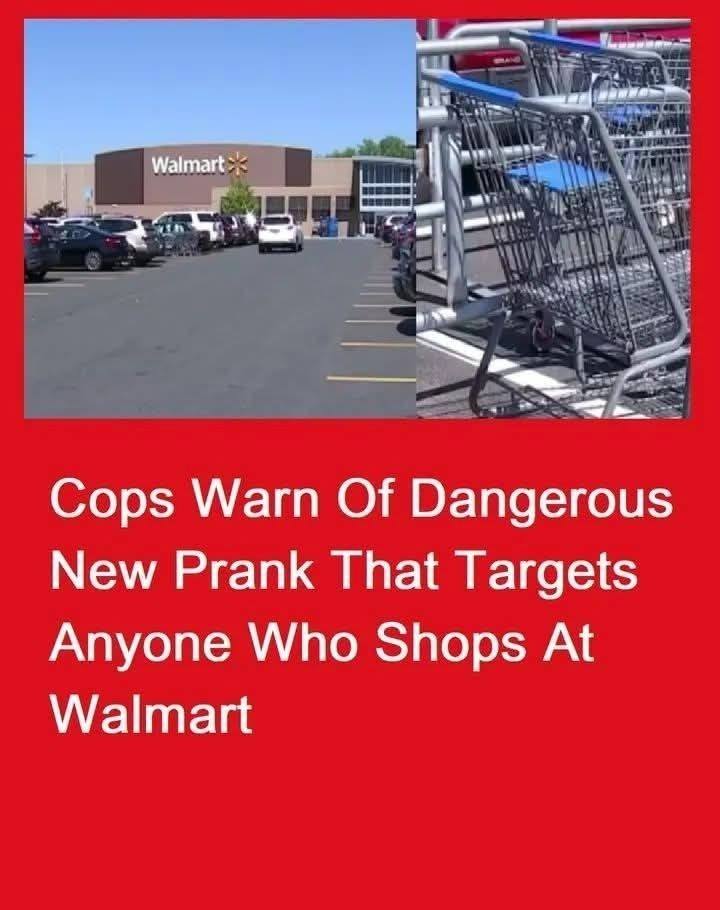
Cops Warn Of Dangerous New Prank That Targets Anyone Who Shops At Walmart
In recent years, Walmart has become more than just a superstore — it’s a backdrop for social media content, from honest customer reviews to viral challenges that spread across TikTok, Instagram, and YouTube. While many of these posts are lighthearted or mundane, there is a troubling trend that has emerged: dangerous pranks targeting unsuspecting Walmart customers. Law enforcement agencies and retail security teams have begun to issue serious warnings about these stunts, which pose risks not only to public safety but also to the integrity of community trust.
This blog post explores how these pranks have evolved, why they are dangerous, the response from police and Walmart, and what shoppers can do to protect themselves.
The Rise of Prank Culture and Walmart’s Role in Social Media
Pranks have long been part of human culture — practical jokes, lighthearted teasing, and humorous antics go back centuries. However, the digital age has elevated pranks into a public spectacle. Platforms like TikTok and YouTube reward content that gets attention, whether through likes, shares, or views. This has led to a new breed of content creators who aim to generate viral content at almost any cost.
Retailers like Walmart — with its wide aisles, varied products, and steady shopper traffic — have inadvertently become stages for these pranks. From harmless encounters to reckless “challenges,” Walmart stores around the country have seen footage of pranksters engaging with customers, employees, and merchandise for the sake of online fame.
But all pranks are not created equal. Some are innocent fun; others cross a line into activities that are harmful, irresponsible, and potentially criminal.
Understanding the Dangerous Walmart Pranks
When we talk about “dangerous pranks that target Walmart shoppers,” it’s important to be specific. This isn’t about someone making a goofy video with a friend; it’s about stunts that create real danger for others.
- Pesticide and Chemical Spraying on Food
One of the most alarming incidents occurred in late 2024 at a Walmart in Mesa, Arizona. A TikToker known online as Wolfie Kahletti entered the store with the stated intention of filming a prank. Instead, he picked up a can of bed bug and flea killer and began spraying it directly onto produce — bananas, vegetables, and rotisserie chickens — then filmed the act for social media.
The consequences of this stunt were serious:
The contaminated food had to be removed and discarded.
The prankster was arrested and charged with multiple crimes, including introducing poison, criminal damage, endangerment, and theft.
Walmart sanitized the area and cooperated with law enforcement to investigate the incident.
Whether the creator merely sought views or intended harm, the reality is that spraying chemicals on food in a public space puts shoppers at risk of exposure to toxic substances. Food products in a grocery store are touched by hundreds of customers in a day. A real health threat could emerge if contaminated items reach the checkout unnoticed.
This incident highlights how prank culture can quickly escalate into a public safety concern.
- Hidden Hazards in Shopping Carts
Long before the pesticide prank, there were reports — widely circulated on social media and local news sites — of a disturbing prank involving hidden razor blades under shopping cart handles. According to a woman named Kelly Boulay, she experienced a sharp cut on her hand after grabbing a Walmart cart, only to discover later that a razor blade had been placed under the handle.
In response, Walmart employees reportedly began checking carts after the incident was shared online. While that specific episode dates back several years, it exemplifies another form of dangerous prank: hiding harmful objects in places people handle frequently.
It’s unclear how widespread such incidents were, but the fear generated by the story spread rapidly since it first appeared in 2019, underscoring how even a rumor of such a prank can make shoppers uneasy.
- Harassing and Startling Shoppers
Other Walmart pranks documented on social media involve pranksters startling or harassing innocent shoppers — jumping out in aisles, feigning physical harm, or faking emergencies for comedic effect.
For example, in Greenville, Alabama, a 20-year-old was arrested for a prank video in which he pretended to hit people while others filmed. Police warned that if someone genuinely believes they are being attacked, they might defend themselves, leading to potentially violent retaliation.
These types of stunts might seem funny to the people filming, but they put unsuspecting members of the public at risk of physical harm and emotional distress.
Why Law Enforcement Is Alarmed
Police departments across the country have begun issuing warnings about dangerous prank trends — not just at Walmart but in other public settings as well.
The core concerns include:
Public Safety Risks
Pranks that involve chemicals, fake weapons, or physical contact can lead to injury. When soldiers of social media seek reactions from strangers, they disregard the fact that their “audience” is not consenting to be part of the video. A startled or frightened person might fall, get hurt, or respond defensively.
Walmart stores are public spaces with vulnerable populations including children and elderly shoppers. Dangerous pranks in these settings increase the risk of unintended consequences.
Criminal Liability
Many pranks cross the line into criminal behavior. As seen in Mesa, Arizona, what might be framed as a “joke” can result in charges like criminal damage, endangerment, theft, or poisoning.
Law enforcement officials have been clear: filming dangerous acts for entertainment does not protect you from prosecution. The law treats reckless behavior that endangers others as a serious offense.
The Role of Social Media Platforms
Social media platforms play a significant role in the proliferation of dangerous prank content. Algorithms prioritize engagement, not safety. Videos that elicit shock, fear, or strong emotional reactions often get more views — meaning dangerous pranks can spread quickly.
Creators who gain followers and monetization from such content have an incentive to push boundaries further and further.
However, there has been some pushback:
Platforms like TikTok and Instagram have community guidelines that prohibit harmful content.
Users can report dangerous videos for review.
Increasingly, creators themselves speak out against reckless behavior, encouraging positive and safe content.
The responsibility lies both with platforms to enforce policies and with users to reject and report harmful content rather than reward it.
Walmart’s Response and Customer Safety Measures
Walmart — the largest retailer in the U.S. — has a vested interest in keeping its stores safe. While the company cannot monitor every action in every aisle, it has taken steps in response to prank incidents:
Sanitization and Removal of Contaminated Items
In the pesticide incident, Walmart quickly removed contaminated products and sanitized the store to ensure customer safety.
Collaboration With Law Enforcement
Retail security teams often work with local police when pranks escalate into criminal conduct or when store footage is needed for investigations.
Increased Awareness and Training
Managers and staff are trained to recognize suspicious activity and intervene when necessary. Walmart encourages employees to report potential safety threats to store security rather than try to handle them independently.
Psychological and Social Drivers Behind Dangerous Pranks
Why do people perform dangerous pranks targeting strangers?
- The Quest for Viral Fame
Many creators crave attention and believe that increasingly shocking content will boost their visibility. When views equate to social currency — and sometimes real income — the temptation to escalate pranks is strong.
- Desensitization and Risk Perception
When pranks go unpunished or get positive feedback, creators may underestimate the risks involved. Desensitization to dangerous behavior is a real psychological phenomenon in online spaces.
- Lack of Empathy for Bystanders
Prank videos often focus on the reaction of the target, not the well-being of the individual. This can breed a lack of empathy, where the prankster sees their subjects as props rather than people.
What Shoppers Can Do to Stay Safe
If you’re a Walmart shopper — or shop at any large retail store — here are practical steps to protect yourself from dangerous pranks:
Be Aware of Your Surroundings
For Complete Cooking STEPS Please Head On Over To Next Page Or Open button (>) and don’t forget to SHARE with your Facebook friends
ADVERTISEMENT
