
ADVERTISEMENT
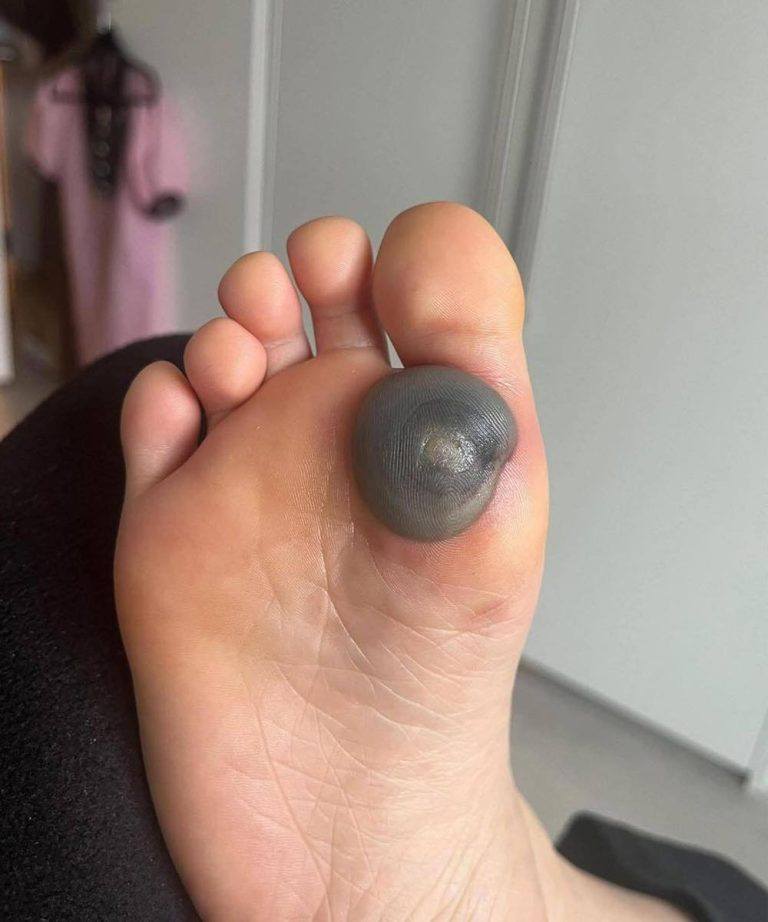
My Daughter Woke Up With a Huge Spot on Her Foot and Can’t Walk — What Could This Be?
Waking up to find something suddenly wrong with your child is one of the most frightening experiences a parent can have. One moment everything seems normal, and the next, your daughter is crying in pain, unable to move her foot, with a large, unexplained spot that wasn’t there the night before. Your mind races. Is it serious? Is it dangerous? Did something bite her? Is it an infection?
If you are reading this, you are likely searching for answers, reassurance, or at least a sense of direction. While only a medical professional can diagnose your child, understanding what could cause a sudden painful spot on the foot can help you recognize warning signs, act quickly, and advocate for the right care.
This article will walk you through:
What symptoms like this may indicate
Common and uncommon causes
Why sudden foot pain should not be ignored
When to seek urgent medical attention
What doctors may look for during evaluation
First: Why This Situation Deserves Attention
A child waking up with:
A large spot, swelling, or mark
Pain severe enough to prevent movement
No obvious injury
is a situation that should never be dismissed as “nothing.”
Children often cannot fully describe their pain, and foot problems are particularly concerning because they affect mobility, circulation, and infection risk. Sudden onset overnight suggests something acute, meaning it developed quickly — and acute conditions can worsen rapidly if untreated.
What Do We Mean by a “Huge Spot”?
Parents often use the word spot to describe many things, including:
Red or purple discoloration
Swelling or a raised lump
A bruise-like area
A blister
A rash or patch of inflamed skin
The appearance of the spot, combined with pain and inability to move the foot, provides important clues.
Possible Causes of a Sudden Painful Spot on the Foot
- Insect or Spider Bite Reaction
One of the most common explanations is a bite or sting, especially if your child was barefoot or sleeping without socks.
Why it happens:
Some insect bites cause mild itching.
Others trigger severe inflammatory or allergic reactions, especially in children.
Signs that point to a bite:
Sudden appearance overnight
Redness with swelling
A central dot or blister
Warmth around the area
Pain rather than itching
Why it can be serious:
Certain bites (such as from spiders or ants) can cause:
Tissue irritation
Nerve pain
Secondary infection
Intense swelling that restricts movement
If the swelling presses on nerves or joints, walking may become extremely painful or impossible.
- Cellulitis (Skin Infection)
Cellulitis is a bacterial infection of the skin and underlying tissues and is one of the most important possibilities to consider.
How it starts:
A tiny cut, scratch, or bite lets bacteria enter
The infection can spread rapidly overnight
Symptoms include:
A red, swollen, painful area
Skin that feels warm or tight
Rapid expansion of the affected area
Pain when touching or moving the foot
Fever (sometimes delayed)
Why this is dangerous:
Cellulitis can spread into:
The bloodstream
Deeper tissues
Bones (osteomyelitis)
In children, cellulitis requires prompt medical treatment, usually antibiotics.
- Abscess or Localized Infection
An abscess is a pocket of pus caused by infection.
What it may look like:
A raised, swollen, painful lump
Red or purple skin
Increasing pain over hours
Possible white or yellow center
Why movement becomes difficult:
As pressure builds inside the abscess, pain intensifies. If it’s near a joint or tendon in the foot, even small movements can be unbearable.
Abscesses often require medical drainage, not just antibiotics.
- Bruise or Deep Tissue Injury (Without Remembered Trauma)
Children don’t always remember bumping their foot — especially if it happened while playing or climbing.
Key features:
Purple, blue, or dark red discoloration
Swelling
Pain when bearing weight
Stiffness or limited movement
However, bruises usually:
Improve gradually
Do not worsen rapidly overnight
If pain is extreme or movement is impossible, this may indicate something more serious than a simple bruise.
- Sprain or Hairline Fracture
Yes — a child can fracture a foot without realizing it.
Possible signs:
Swelling and discoloration
Pain when moving or standing
Tenderness in one specific spot
Hairline fractures may not cause immediate severe pain but can become worse overnight due to swelling.
- Allergic Reaction or Contact Dermatitis
If your child came into contact with:
Plants
Chemicals
New shoes or socks
Detergents
They may develop an inflammatory skin reaction.
Symptoms include:
Redness or rash
Swelling
Burning or stinging sensation
However, allergic reactions alone rarely cause inability to move the foot, which makes this less likely unless swelling is severe.
- Vascular or Circulatory Issues (Rare but Serious)
In rare cases, a sudden painful spot could be related to:
Blood flow restriction
Inflammation of blood vessels
Clotting disorders
Red flags include:
Purple or blue skin color
Coldness or numbness
Severe pain out of proportion to appearance
These situations are medical emergencies.
- Bone or Joint Infection (Septic Arthritis or Osteomyelitis)
This is rare but extremely serious.
Symptoms may include:
Sudden severe pain
Refusal to move or bear weight
Swelling and redness
Fever
Lethargy
Children with bone or joint infections often appear very uncomfortable and unwell.
Why Pain Preventing Movement Is a Big Warning Sign
Pain that:
Prevents walking
Stops your child from moving the foot
Causes crying with small movements
suggests involvement of:
Joints
Tendons
Nerves
Deep tissues
This is not typical of mild skin issues.
What Doctors Will Likely Check
For Complete Cooking STEPS Please Head On Over To Next Page Or Open button (>) and don’t forget to SHARE with your Facebook friends
ADVERTISEMENT
