
ADVERTISEMENT
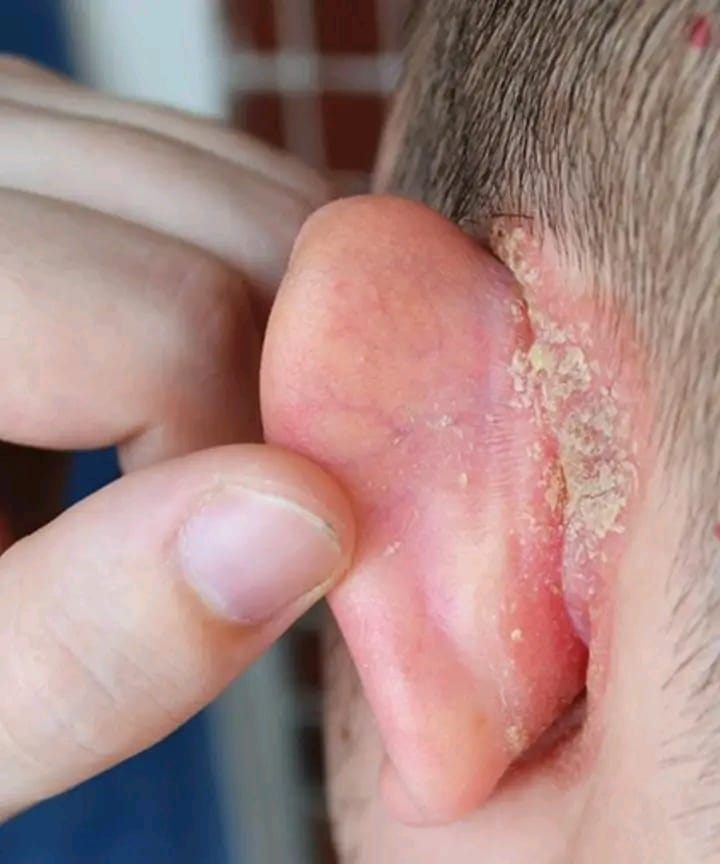
My Son Woke Up with a Spot on His Ear: What Could It Be and How Can I Treat It Until the Appointment?
As a parent, few things are as alarming as noticing something unusual on your child’s body—especially when it appears suddenly overnight.
Imagine this: your son wakes up, rubbing his ear, complaining that it itches or hurts. You take a closer look and see a small spot on his ear. Your first thought: What is that? Is it serious?
If you’re in this situation, you are not alone. Parents encounter this scenario all the time, and it’s completely natural to worry.
The good news is that while a spot on the ear can look concerning, there are a variety of common causes, many of which are mild and manageable at home, at least until you can see a healthcare professional.
In this article, we’ll explore:
Common causes of spots on the ear
How to distinguish between minor issues and urgent concerns
Practical home care strategies until your appointment
When to seek immediate medical attention
Prevention tips to avoid future flare-ups
By the end, you’ll have a clearer understanding of what could be going on and how to manage it safely while waiting for a doctor’s evaluation.
- Understanding the Ear’s Vulnerability
The ear is more delicate than many people realize. It has:
Thin skin that is sensitive to irritation
Exposure to the environment — heat, sweat, dirt, and allergens can all accumulate
Proximity to the head and face, which means skin conditions can spread or be influenced by nearby areas
Because of these factors, the ear can develop small spots, bumps, or rashes for various reasons, from minor irritations to infections.
- Common Causes of a Spot on a Child’s Ear
Let’s start with the most likely explanations, ranging from minor to more serious:
2.1 Bug Bites
One of the most common causes of a sudden spot is a mosquito bite, flea bite, or other insect bite.
Appearance: Small, red, raised bump; may have a tiny puncture mark
Symptoms: Itching, mild swelling
How it develops: Often overnight, especially if the child was sleeping near an open window or on the floor
Home care: Cold compress, mild anti-itch cream
2.2 Pimples or Acne
Children, especially those approaching puberty, can develop pimples on the ear just like on other parts of the body.
Appearance: Small red bump, sometimes with a white head
Symptoms: Mild tenderness; may become more noticeable with pressure
Home care: Clean gently with mild soap, avoid squeezing
2.3 Skin Irritation
The ear is sensitive to friction and irritation, which can cause red spots.
Causes:
Friction from hats, headbands, or pillowcases
Reaction to shampoo, hair products, or soap
Sweating and moisture buildup
Appearance: Red or pink, sometimes flaky
Home care: Keep the area clean and dry; avoid irritants
2.4 Allergic Reactions
Children may develop a small spot or rash from contact allergies, which can appear suddenly.
Triggers:
Nickel in earrings
New detergents
Skincare products
Appearance: Red, itchy, sometimes bumpy
Home care: Avoid contact with potential allergens; consider gentle, fragrance-free moisturizers
2.5 Ear Infection
While ear infections usually cause internal discomfort, sometimes the outer ear (especially around the ear canal or earlobe) develops redness or spots.
Appearance: Red, sometimes swollen; may have a small bump if there’s external ear involvement
Symptoms: Ear pain, mild fever, irritability
Home care: Until the appointment, keep the area clean; avoid touching or pressing
2.6 Skin Conditions (Eczema, Dermatitis)
Children prone to eczema or dermatitis may develop sudden spots on the ears.
Appearance: Red, itchy, sometimes scaly or flaky
Triggers: Allergens, weather changes, sweat
Home care: Apply fragrance-free moisturizers; keep the area clean; avoid scratching
2.7 Warts or Viral Spots
Some viral infections can present as small bumps on the ear. Common examples:
Molluscum contagiosum: Small, firm, pearly bumps, often with a dimple
Other viral rashes: Can appear red or slightly raised
Home care: Keep the area clean, avoid scratching or picking
2.8 Signs of More Serious Conditions
While most spots are minor, rare but serious causes should not be overlooked:
Cellulitis: Red, swollen, painful skin infection
Infected insect bite or pimple: Rapidly enlarging, tender, or pus-filled
Allergic reactions with systemic symptoms: Swelling of face, lips, or difficulty breathing
If any of these appear, seek medical care immediately.
- How to Assess the Spot at Home
When your child has a spot on the ear, careful observation is key. Consider these questions:
When did it appear?
Overnight, gradually, or after a specific exposure?
What does it look like?
Color: Red, pink, purple, or skin-colored
Size: Small (pinpoint) or larger
Texture: Smooth, raised, flaky, or crusted
Is it painful or itchy?
Mild itching is often minor; severe pain or tenderness may indicate infection
Any other symptoms?
Fever, fatigue, swelling, or rash spreading elsewhere
Keeping a photo log can help track changes and provide your doctor with valuable information.
- Safe Home Care Until the Appointment
While waiting to see a healthcare provider, you can take steps to reduce discomfort and prevent complications:
4.1 Gentle Cleaning
Use mild, fragrance-free soap and lukewarm water
Pat dry with a soft towel; avoid rubbing
4.2 Reduce Itching
Apply a cool compress for a few minutes
Use child-safe anti-itch creams if recommended by a pharmacist
4.3 Avoid Scratching
Encourage your child not to scratch, as this can:
Worsen irritation
Cause infection
Leave scars
4.4 Keep the Area Dry
Moisture can aggravate irritation and allow bacteria to grow
If your child sweats or bathes, gently pat the ear dry afterward
4.5 Avoid Irritants
Hair products, detergents, hats, or jewelry that touch the spot should be avoided
Fragrance-free, hypoallergenic products are ideal
4.6 Comfort Measures
Keep fingernails short to prevent accidental scratching
Distract your child with activities if the itch is bothering them
Mild pain relievers (acetaminophen or ibuprofen) can be used if the area is tender, following dosing instructions
- When to Call the Doctor Immediately
While many spots are minor, certain signs require prompt medical attention:
Rapid swelling or spreading redness
Warmth, pain, or pus-filled bumps
Fever, lethargy, or irritability
Spots appearing on multiple body areas suddenly
Signs of allergic reaction (swelling of face, lips, tongue, difficulty breathing)
Even if your child seems okay, trust your instincts as a parent. If something seems unusual, contact your healthcare provider.
- Preparing for the Appointment
To make the most of your child’s visit:
Document symptoms: Onset, appearance, progression, and any associated signs
List products and exposures: New soaps, detergents, hair products, foods, or recent insect exposure
Note home remedies tried: Any creams, compresses, or medications applied
Bring photos: If the spot improves or changes before the visit, photos can show what it looked like at its worst
Providing detailed information helps the doctor make a more accurate diagnosis and recommend appropriate treatment.
- Possible Treatments Your Doctor May Recommend
Depending on the diagnosis, treatment may include:
Topical creams: For eczema, dermatitis, or mild irritation
Oral antihistamines: For allergic reactions or itching
Antibiotics: If bacterial infection is suspected
Observation: Some viral spots or minor irritation may simply resolve on their own
Specialist referral: Dermatologist or ENT for persistent or unusual cases
- Tips to Prevent Future Spots on the Ear
For Complete Cooking STEPS Please Head On Over To Next Page Or Open button (>) and don’t forget to SHARE with your Facebook friends
ADVERTISEMENT
