
ADVERTISEMENT
What Is the Little Button on the Seat Belt For? A Little-Known Use That Most People Miss
You’ve seen it thousands of times.
You’ve touched it.
You’ve probably flicked it with your fingers absent-mindedly.
You may have even wondered about it for a second—before forgetting about it completely.
That small plastic button on your seat belt strap.
Not the buckle.
Not the release button.
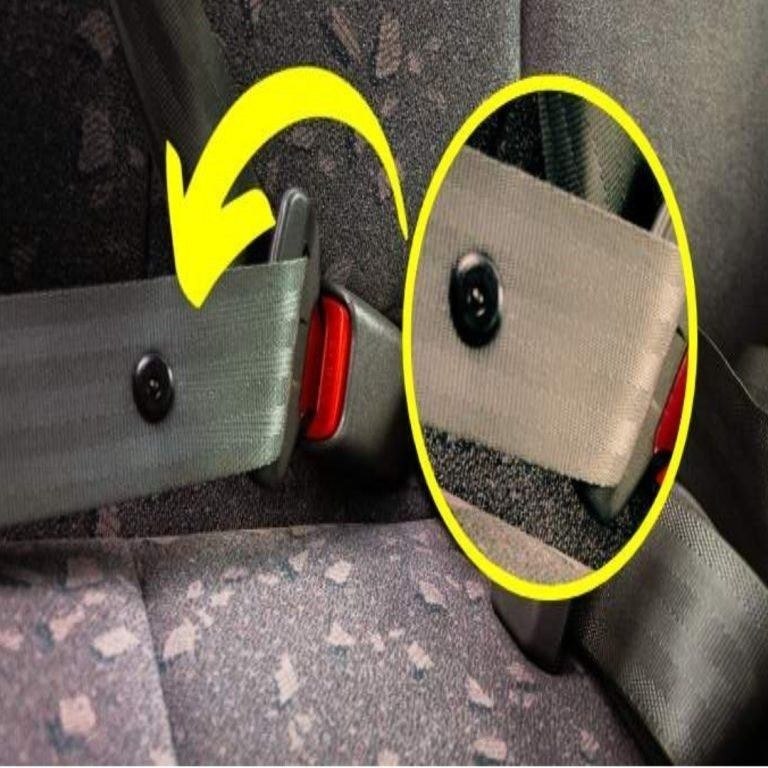
The little round (or oval) plastic stopper attached to the belt itself.
So… what is it actually for?
Most people have no idea. And those who think they know often assume it’s decorative, structural, or just there “because.”
But that tiny button serves a very specific purpose—one that affects comfort, safety, convenience, and usability every single time you get into a car.
Let’s take a deep dive into one of the most overlooked features in modern vehicles.
The Seat Belt: A Familiar Object We Rarely Question
Seat belts are so ingrained in daily life that we stop noticing them.
We:
- Grab them without looking
- Click them automatically
- Adjust them subconsciously
They’re one of the most important safety inventions ever created—yet most of us couldn’t name all their parts, let alone explain what each one does.
The little button is one of those forgotten details.
First, Let’s Identify the Button
Before explaining its function, let’s make sure we’re talking about the same thing.
The little button is:
- Made of plastic
- Usually round or oval
- Located on the seat belt strap itself
- Positioned a few inches above the latch plate (the metal piece that clicks into the buckle)
It’s often black, gray, or color-matched to the belt.
And it doesn’t move much.
So why is it there?
The Simple Answer: It’s a Stopper
The primary function of the little button on the seat belt is to act as a stopper.
It prevents the latch plate from sliding too far down the seat belt when it retracts.
Without it, the metal latch plate would slide all the way to the floor or into the seat pillar every time you unbuckled.
That alone already makes it useful—but there’s more to the story.
Why That Matters More Than You Think
Imagine getting into your car without that button.
You’d unbuckle the seat belt, and:
- The latch plate would slide down
- The belt would retract fully
- The metal piece would disappear near the door frame or floor
Every single time.
Then, when you get back in:
- You’d have to fish around for the latch
- Reach down awkwardly
- Pull it back up
Not exactly convenient—especially in a hurry.
The button keeps the latch plate in a consistent, easy-to-reach position.
That alone improves daily usability dramatically.
The Little Button’s Role in Accessibility
This feature is especially important for:
- Elderly passengers
- Children
- People with limited mobility
- Anyone with back or shoulder issues
Reaching down repeatedly to retrieve a latch plate may seem minor—but over time, it’s uncomfortable and inconvenient.
That tiny button ensures the seat belt is always where you expect it to be.
It’s Not Just Convenience—It’s Safety
Here’s the part most people don’t realize.
That small button also plays a role in safe seat belt use.
By keeping the latch plate in the correct position:
- It reduces twisting of the belt
- Helps ensure proper alignment
- Makes it easier to buckle correctly
Twisted or misaligned seat belts don’t distribute force as effectively during a collision.
So while the button doesn’t stop an accident, it helps ensure the belt functions as designed when it matters most.
Why It’s Called a “Seat Belt Stop Button”
In technical terms, the little plastic piece is often called:
- Seat belt stop button
- Seat belt stopper
- Belt retainer button
It’s a simple component, but it’s carefully placed during manufacturing for a reason.
Why Most People Never Notice It
Despite its importance, the button is almost invisible in daily life.
Why?
1. It Doesn’t Move
Moving parts attract attention. This one stays put.
2. It Doesn’t Require Interaction
You never press it, adjust it, or activate it.
3. It Works Quietly
Its job is preventative—nothing dramatic happens when it does its job correctly.
The best design features are often the ones you don’t think about.
What Happens If the Button Breaks or Falls Off?
Yes—it can happen.
Over time, wear and tear, heat, or friction can cause the button to crack or pop off.
When that happens, you’ll notice immediately.
Common signs:
- The latch plate slides down when unbuckled
- You have to pull the belt up every time
- The belt feels more awkward to use
While it doesn’t make the seat belt unsafe, it does make it less convenient—and inconvenience often leads to improper use.
Can You Replace the Button?
Yes, you can.
Replacement seat belt stop buttons are:
- Inexpensive
- Easy to install
- Widely available
For Complete Cooking STEPS Please Head On Over To Next Page Or Open button (>) and don’t forget to SHARE with your Facebook friends
ADVERTISEMENT
