
ADVERTISEMENT
Lactuca serriola: The Unsuspected Benefits of This Ancient Wild Lettuce
In the vast world of edible plants, there are some that have been quietly overlooked for centuries, only to later reveal remarkable nutritional, medicinal, and ecological value. Lactuca serriola, commonly known as prickly lettuce, wild lettuce, or compass plant, is one such plant. While it is often dismissed as a mere weed in gardens and roadsides, this ancient wild lettuce carries a wealth of health benefits, historical significance, and culinary potential.
In this blog post, we will explore the fascinating story of Lactuca serriola—from its botanical features and ancient uses to its modern applications in wellness, food, and ecological restoration.
What is Lactuca serriola?
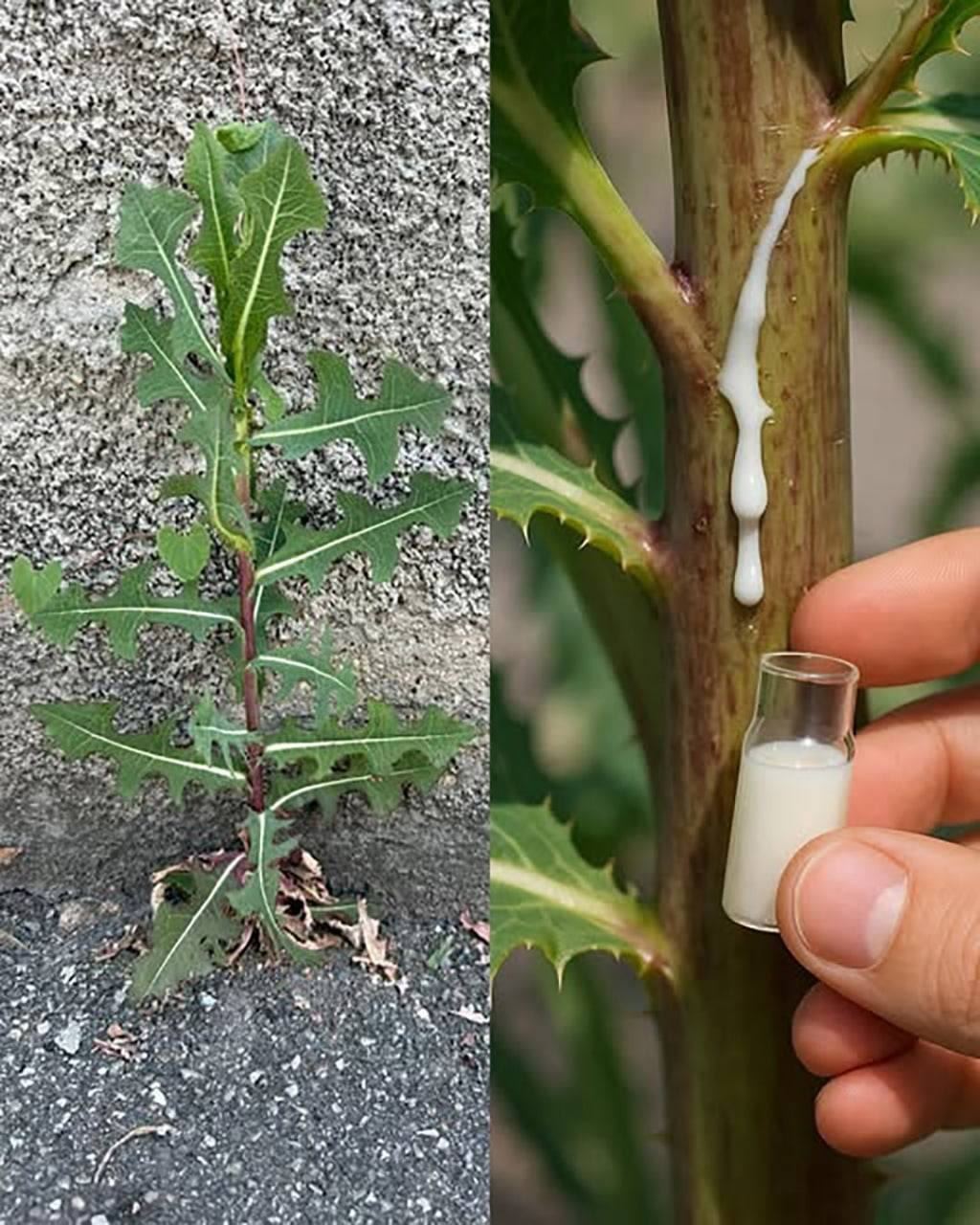
Lactuca serriola is a hardy, fast-growing plant belonging to the Asteraceae family, the same family as dandelions, sunflowers, and cultivated lettuces. Its distinguishing features include:
Height: It can grow up to 1–2 meters tall.
Leaves: Deeply lobed, spiny margins, often with a whitish midrib. The leaves point north and south, giving it the nickname “compass plant.”
Stem: Erect and rigid, sometimes with spiny ridges.
Flowers: Small, yellow, and dandelion-like, blooming mainly in summer.
Sap: Produces a milky latex when cut, historically used for medicinal purposes.
It is native to Europe, North Africa, and Western Asia, but has now spread widely across the world, thriving in temperate climates, roadsides, abandoned fields, and disturbed soils.
A Glimpse into History
Lactuca serriola is not just a modern-day weed—it has been known to humans for thousands of years. Ancient herbalists recognized its potential for both food and medicine.
Ancient Egyptians: The wild lettuce was sometimes used as a sedative and digestive aid.
Greek and Roman Medicine: Physicians like Dioscorides noted its soothing effects on the nerves and its potential to alleviate coughs and mild pain.
Traditional European Folk Medicine: The milky latex, known as lactucarium, was used as a natural sleep aid, pain reliever, and stress reducer.
Interestingly, Lactuca serriola is believed to be the wild ancestor of cultivated lettuce (Lactuca sativa). Early farmers likely selected it for its milder leaves and faster growth, eventually giving rise to the salad greens we enjoy today.
Nutritional Profile
Though wild, Lactuca serriola is surprisingly nutrient-dense. Its leaves, stems, and latex contain:
Vitamins: A, C, and K, supporting vision, immunity, and blood clotting.
Minerals: Calcium, potassium, magnesium, and iron.
Fiber: Promotes healthy digestion and gut microbiome balance.
Phytonutrients: Flavonoids and antioxidants that combat oxidative stress.
Lactucarium Compounds: Sedative and mild analgesic properties.
This combination makes it an underappreciated plant for nutritional and therapeutic purposes, especially in areas where modern supplements may not be accessible.
Health Benefits of Lactuca serriola
The health benefits of wild lettuce are both traditional and increasingly supported by modern research. Here are some key areas where Lactuca serriola shines:
- Natural Sedative and Sleep Aid
One of the most famous properties of Lactuca serriola is its mild sedative effect. The milky latex, lactucarium, contains compounds similar to opium alkaloids but much milder. Historically, it was used to:
Promote restful sleep
Reduce anxiety
Calm nervous tension
Modern herbalists sometimes recommend wild lettuce tinctures or teas as a natural alternative for mild insomnia or stress-related sleep difficulties.
- Pain Relief
Lactucarium in wild lettuce also has analgesic properties. While not as potent as pharmaceutical painkillers, it can help:
Alleviate mild muscular aches
Reduce headaches
Soothe minor joint discomfort
- Antioxidant and Anti-inflammatory Effects
The leaves contain flavonoids and phenolic compounds that combat oxidative stress and reduce inflammation in the body. This can support overall health and potentially reduce the risk of chronic diseases such as heart disease or arthritis.
- Digestive Health
The fiber in wild lettuce helps promote gut motility and support a healthy microbiome. Traditionally, the leaves have also been used to ease indigestion or mild gastrointestinal discomfort.
- Immune System Support
Rich in vitamin C and other phytonutrients, Lactuca serriola can boost immunity, helping the body resist infections and recover from illness.
Culinary Uses of Wild Lettuce
While many foragers overlook Lactuca serriola due to its slightly bitter taste and spiny leaves, it has several culinary applications:
- Young Leaves in Salads
Harvest tender young leaves before the plant matures and becomes bitter.
Mix with milder greens like spinach or cultivated lettuce to balance flavors.
- Sautéed or Steamed Greens
Mature leaves can be sautéed with olive oil, garlic, and lemon.
Steaming reduces bitterness while retaining nutrients.
- Herbal Teas and Infusions
Dried leaves or stems can be steeped in hot water.
Can be combined with chamomile or peppermint to enhance the calming effect.
- Wild Lettuce Tinctures
Extracted lactucarium can be made into tinctures, which are used as mild sedatives or pain relievers.
Caution is advised: start with small doses, as the latex is concentrated.
Foraging Tips and Sustainability
If you want to incorporate Lactuca serriola into your diet or wellness routine, here are some tips:
Identification
Look for deeply lobed, spiny leaves with a whitish midrib.
Check the leaf orientation: the midrib generally points north and south.
Small yellow flowers appear in summer.
Harvesting
Young leaves are preferable for eating.
Cut leaves with scissors to avoid damaging the plant’s roots.
Collect in areas away from roadsides or chemical contamination.
Safety Considerations
Avoid areas treated with herbicides or near heavy traffic.
Introduce wild lettuce gradually to your diet or wellness regimen.
Pregnant women or individuals on sedative medications should consult a healthcare provider before using lactucarium.
Ecological Role
Lactuca serriola is valuable for pollinators such as bees and butterflies.
It stabilizes soil in disturbed areas, preventing erosion.
A sustainable harvest ensures the plant continues to support biodiversity.
Lactuca serriola in Modern Herbal Medicine
Today, herbalists and natural medicine practitioners are rediscovering Lactuca serriola as a versatile medicinal plant. Some modern applications include:
Calming teas and tinctures for anxiety or sleep disturbances
Topical applications for minor pain relief or inflammation
Supplementation in wellness protocols focused on stress reduction and antioxidant support
Unlike synthetic pharmaceuticals, wild lettuce offers mild, holistic benefits with fewer side effects. While research is ongoing, preliminary studies support its use as a natural, gentle herbal aid.
Historical Anecdotes and Cultural Significance
Throughout history, Lactuca serriola has played intriguing roles:
European Folklore: Believed to have protective properties, sometimes planted near homes to ward off negative energy.
Native American Use: While less documented, some tribes reportedly used wild lettuce for pain relief and relaxation.
Literary Mentions: Ancient texts often describe its calming and medicinal effects. For example, Dioscorides wrote of “lettuce that quiets the spirit,” reflecting its historical reputation as a mild sedative.
These stories underscore the cultural as well as physiological importance of the plant.
Cultivating Lactuca serriola
For those interested in growing wild lettuce at home:
Soil and Climate
Hardy in poor soil conditions, drought-tolerant
Thrives in temperate climates with full sun
Propagation
Can be grown from seeds or root cuttings
For Complete Cooking STEPS Please Head On Over To Next Page Or Open button (>) and don’t forget to SHARE with your Facebook friends
ADVERTISEMENT
