
ADVERTISEMENT
Should Older Drivers Retire the Wheel? Balancing Safety and Independence
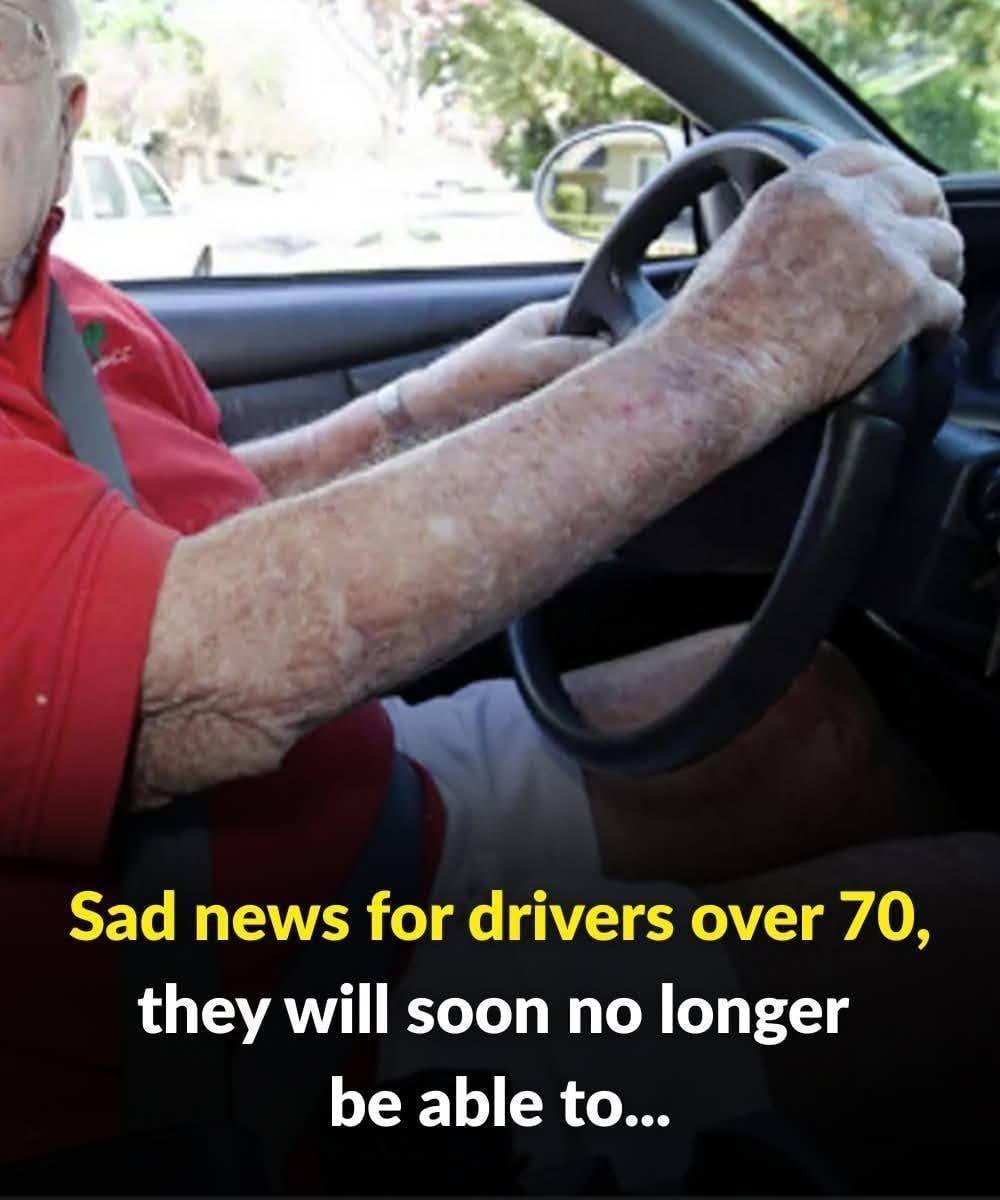
Driving represents more than just a means of transportation. For millions, it embodies independence, freedom, and control over one’s daily life. But as people age, concerns about safety, reaction times, and cognitive decline begin to emerge. This raises a sensitive question: Should older drivers retire the wheel?
The issue is far from black and white. It involves balancing public safety with personal independence, dignity, and quality of life. In this blog, we’ll explore the factors affecting older drivers, the statistics, societal perceptions, technological aids, and policy considerations, while also offering strategies to maintain safe driving without sacrificing autonomy.
The Growing Population of Older Drivers
The global population is aging at an unprecedented rate. According to the World Health Organization, the number of people aged 60 and above is expected to double by 2050, reaching 2.1 billion worldwide. In the United States alone, the Federal Highway Administration reported that drivers aged 65 and older are expected to account for nearly 25% of all licensed drivers by 2030.
This demographic shift has sparked conversations about road safety, given that older adults experience certain age-related changes that can influence driving performance. However, it’s important to note that older drivers are not inherently dangerous; rather, certain physiological and cognitive changes may increase risk in specific situations.
Understanding the Risks
- Physical Changes
As we age, several physical factors can affect driving:
Vision: Conditions like cataracts, glaucoma, and macular degeneration can reduce visual acuity and peripheral vision. Night driving and glare sensitivity may also worsen.
Hearing: Reduced auditory perception can impair a driver’s ability to notice sirens, horns, or other critical cues.
Mobility: Arthritis or reduced flexibility can make turning the head, pressing pedals, or steering more challenging.
Reaction Time: Slower reflexes can increase the time it takes to respond to sudden hazards.
- Cognitive Changes
Cognitive decline can affect decision-making, attention, and memory. Common age-related cognitive issues include:
Slower information processing: Making complex traffic decisions may take longer.
Short-term memory lapses: Forgetting directions or road rules can increase risk.
Diminished multitasking ability: Handling distractions like passengers or complex intersections can be harder.
- Health and Medication
Certain health conditions, such as diabetes, heart disease, or neurological disorders, may impair driving. Additionally, medications that cause drowsiness, blurred vision, or dizziness can increase accident risk.
Statistics: Are Older Drivers a Danger?
There is often a public perception that older drivers are more dangerous than younger ones. But the data paints a nuanced picture:
Crash rates per mile: According to the Insurance Institute for Highway Safety (IIHS), drivers aged 70+ have lower crash rates per mile than teenagers but higher than middle-aged adults.
Fatality risk: While older drivers are involved in fewer crashes overall, when accidents occur, they are more likely to result in fatalities due to frailty.
Common crash types: Older drivers are more prone to intersection-related accidents, failing to yield, and turning errors, rather than reckless speeding or impaired driving common among younger demographics.
These statistics underscore the importance of targeted interventions rather than blanket restrictions. Not all older drivers pose a risk, but certain conditions or limitations can increase vulnerability.
The Psychological Impact of Driving Loss
Driving is deeply tied to independence and identity, especially in countries with car-centric cultures. Losing the ability to drive can have profound psychological consequences:
Depression and isolation: Reduced mobility can limit social interactions, contributing to loneliness.
Loss of autonomy: Dependence on family, friends, or public transportation can feel restrictive.
Reduced quality of life: Everyday activities like grocery shopping, attending appointments, or visiting loved ones become more challenging.
It’s crucial to approach driving retirement with sensitivity, ensuring that safety concerns do not unnecessarily compromise independence.
Strategies for Safer Driving Among Older Adults
Instead of mandating a complete retirement from driving, there are ways older adults can maintain safety while preserving autonomy:
- Regular Health and Vision Checks
Frequent check-ups help detect conditions that could impair driving. Vision exams, in particular, are critical. Corrective lenses, cataract surgery, or hearing aids can significantly enhance driving performance.
- Medication Review
Consulting a physician or pharmacist about medication side effects ensures that drivers are aware of potential impairments and can adjust dosages or timing accordingly.
- Driving Assessments
Professional driving assessments can identify weaknesses and suggest corrective strategies. Many insurance companies and local transportation departments offer refresher courses tailored for older adults.
- Limiting High-Risk Situations
Older drivers can extend their driving life by avoiding challenging conditions, such as:
Nighttime driving
High-speed highways
Bad weather
Heavy traffic
This self-regulation approach allows older adults to continue driving safely while minimizing risk.
- Adaptive Vehicle Technology
Modern cars offer tools that can compensate for some age-related limitations:
Backup cameras and parking sensors
Blind-spot monitoring
Lane departure warnings
Automatic emergency braking
Adaptive cruise control
These technologies can reduce accidents and boost confidence behind the wheel.
- Exercise and Cognitive Training
Maintaining physical fitness and cognitive sharpness can improve reaction times, flexibility, and decision-making—skills crucial for safe driving.
Public Policy and Age-Based Restrictions
Policymakers face a difficult balance: protecting public safety without discriminating against older adults. Common approaches include:
- Age-Specific Licensing Requirements
Some jurisdictions require:
More frequent license renewals for older drivers
Mandatory vision or driving tests beyond a certain age
Short-term or conditional licenses
These policies aim to ensure that drivers remain capable without arbitrarily restricting their rights.
- Graduated Restrictions
Instead of full license revocation, some regions allow:
Time-of-day restrictions
Limitations on driving distances
Restrictions on certain road types
This allows older adults to maintain mobility while reducing risk exposure.
- Education and Awareness Campaigns
Raising awareness about age-related driving challenges encourages self-regulation and safe driving habits. Public campaigns and senior driving courses are effective tools.
Ethical Considerations
The question of older drivers raises ethical dilemmas:
Safety vs. autonomy: At what point does the risk to public safety outweigh an individual’s right to drive?
Fairness: Should age alone be a determining factor, or should decisions be based on individual ability?
Intergenerational perspectives: Families often face tension between protecting older relatives and respecting their independence.
The key is personalized assessment rather than blanket assumptions. Age is a factor, but ability, experience, and adaptability are equally important.
Alternatives to Driving
For older adults who can no longer drive safely, alternatives exist that can maintain mobility:
Public transportation: Buses, trains, and subways provide independence without relying on a personal vehicle.
Ride-sharing and taxis: Services like Uber and Lyft offer convenience, though cost and technology access can be barriers.
Community programs: Many cities have volunteer driver programs or senior shuttles.
Carpooling with friends or family: Encouraging social connections while maintaining mobility.
Mobility scooters and adapted vehicles: In some cases, assistive vehicles can extend independence for short trips.
By combining these options, older adults can stay connected without compromising safety.
The Role of Families
Family involvement is critical in navigating this transition. Conversations about driving can be difficult but necessary. Strategies for families include:
Early discussions: Talking about driving before a crisis arises allows for thoughtful planning.
Shared decision-making: Including older adults in the conversation respects autonomy and dignity.
Gradual transitions: Phased reductions in driving can make the change less abrupt and emotionally challenging.
Positive reinforcement: Emphasizing alternative forms of mobility rather than focusing solely on restrictions.
Debunking Myths About Older Drivers
It’s important to separate perception from reality:
Myth: Older drivers are reckless.
Reality: Older adults are often cautious, obey traffic laws, and drive fewer risky miles.
Myth: Age alone determines driving ability.
Reality: Many 80-year-olds drive safely, while younger adults with inexperience or risky behaviors can pose higher risks.
For Complete Cooking STEPS Please Head On Over To Next Page Or Open button (>) and don’t forget to SHARE with your Facebook friends
ADVERTISEMENT
