
ADVERTISEMENT
The Origins of Carrot Cake: From Necessity to Icon
A Dessert Born from Practicality
Carrot cake’s roots stretch back centuries, long before it became the spiced, frosted classic we know today. In medieval Europe, sugar was expensive and scarce. Carrots—naturally sweet and widely available—were often used as a substitute sweetener in puddings and baked goods.
This practice laid the groundwork for carrot-based desserts, though they were far from today’s cake-like confections. These early versions were dense, rustic, and more akin to bread puddings than layer cakes.
Wartime Revival and Modern Popularity
Carrot cake experienced a resurgence during World War II, when sugar rationing encouraged bakers to once again rely on carrots for sweetness and moisture. After the war, recipes evolved, incorporating spices, oils, and eventually cream cheese frosting.
By the 1960s and 1970s, carrot cake had become a staple in American bakeries and home kitchens. Health-food movements briefly embraced it as a “wholesome” dessert—an idea that persists, despite the cake’s undeniable indulgence.
Why Carrot Cake Endures
Carrot cake has survived changing tastes and trends because it fulfills multiple roles at once.
It feels indulgent without being cloying
It works as both a casual and formal dessert
It appeals to people who don’t usually love cake
It improves with time rather than drying out
Few desserts can claim all of that.
The Anatomy of a Classic Carrot Cake
A true classic carrot cake is more than the sum of its parts. Each ingredient plays a specific role in flavor, texture, and structure.
Carrots: The Star Ingredient
Carrots do far more than add sweetness.
They provide:
Natural sugars that deepen flavor
Moisture that keeps the cake tender
Subtle earthiness that grounds the sweetness
Finely grated carrots are essential. Large shreds can create uneven texture, while finely grated carrots melt seamlessly into the batter, creating a moist, cohesive crumb.
Flour: Structure Without Stiffness
All-purpose flour is the standard choice. It provides enough structure to support the dense batter without making the cake tough.
Carrot cake relies less on gluten development than many other cakes. Overmixing can still cause problems, but the presence of oil and carrots naturally limits excessive toughness.
Oil: The Secret to Moistness
Unlike butter-based cakes, classic carrot cake uses oil—usually vegetable or canola oil.
Oil:
Keeps the cake moist for days
Creates a tender crumb
Allows flavors to bloom without interference
This is one reason carrot cake often tastes even better the day after it’s baked.
Eggs: Binding and Lift
Eggs provide:
Structure
Emulsification
A bit of lift
Carrot cake doesn’t aim for lightness like a sponge cake. Instead, eggs help bind the dense ingredients into a cohesive, sliceable cake.
Sugar: Sweetness and Balance
Most classic recipes use a combination of:
Granulated sugar
Brown sugar
Brown sugar adds moisture and a subtle molasses flavor that complements the spices and carrots. The balance of sugars is key—too much and the cake becomes cloying, too little and it loses its richness.
The Role of Spices: Warmth and Depth
Spices are essential to carrot cake’s identity. They transform it from a vegetable-based novelty into a deeply aromatic dessert.
Common Spices in Classic Carrot Cake
Cinnamon – Warm, familiar, grounding
Nutmeg – Adds subtle depth
Ginger – Brightens and sharpens
Cloves or allspice (optional) – Used sparingly for complexity
The goal is harmony, not dominance. No single spice should overpower the carrots.
Optional Add-Ins: Tradition and Debate
Carrot cake inspires strong opinions—especially when it comes to add-ins.
Nuts
Walnuts or pecans are common, adding:
Texture
Slight bitterness
Structural contrast
They’re traditional but optional. Some prefer carrot cake smooth and uninterrupted.
Raisins or Pineapple
Raisins and crushed pineapple are divisive.
Raisins add sweetness and chew
Pineapple adds moisture and tang
Purists often omit both, but many classic recipes include one or the other. The “correct” version is the one that aligns with your taste and memory.
The Texture That Defines the Cake
What sets carrot cake apart is its moist, dense-yet-tender crumb.
It is not fluffy.
It is not airy.
It is rich without being heavy.
This texture comes from:
Oil instead of butter
High moisture content from carrots
Moderate gluten development
Balanced sugar levels
A good carrot cake should feel substantial but never dry.
Cream Cheese Frosting: The Essential Counterpart
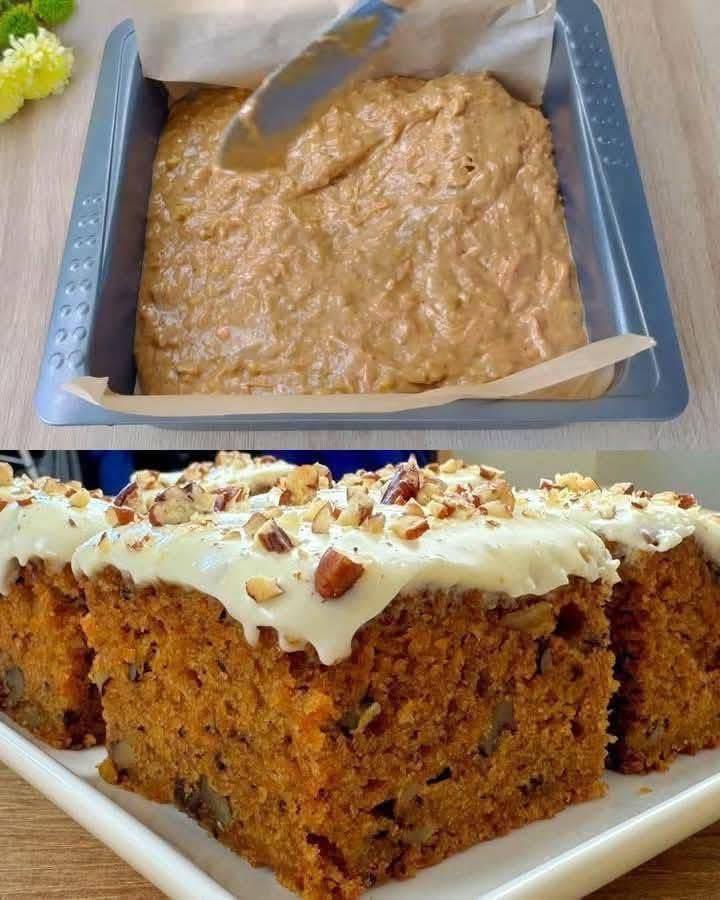
Carrot cake without cream cheese frosting is incomplete.
The frosting is not an accessory—it is a structural and flavor necessity.
Why Cream Cheese Frosting Works
Cream cheese frosting provides:
Tanginess to balance sweetness
Creamy richness
A soft, spreadable texture
Without it, carrot cake risks becoming one-note.
The Core Ingredients
A classic cream cheese frosting includes:
Full-fat cream cheese
Butter
Powdered sugar
Vanilla extract
The key is restraint. Too much sugar masks the tang; too little results in a loose, bland frosting.
Texture Matters
The ideal frosting is:
Smooth but not runny
Tangy but balanced
Soft enough to spread, firm enough to hold layers
Overbeating can make it loose; underbeating can leave lumps. Temperature control—cool but pliable ingredients—is crucial.
Layer Cake or Sheet Cake?
Classic carrot cake adapts beautifully to multiple formats.
Layer Cake
Feels celebratory
Allows for frosting between layers
Ideal for birthdays and holidays
Sheet Cake
Rustic and approachable
Easier to serve
Perfect for gatherings
Cupcakes
Portable and portion-controlled
Great for events
Maintain moisture exceptionally well
Each format preserves the essence of the cake.
Baking Tips for a Perfect Classic Carrot Cake
Even a forgiving cake benefits from thoughtful technique.
Use Freshly Grated Carrots
Pre-shredded carrots are dry and thick. Freshly grated carrots provide moisture and integrate better into the batter.
Don’t Overmix
Once flour is added, mix just until combined. Overmixing leads to toughness.
Measure Accurately
Too much flour dries the cake. Too little compromises structure.
Let It Cool Completely
Frosting a warm cake leads to melting and sliding. Patience pays off.
Why Carrot Cake Ages Gracefully
Unlike many cakes, carrot cake improves with time.
Flavors meld overnight
Moisture redistributes evenly
Spices deepen
This makes it ideal for make-ahead baking and special occasions.
Cultural and Emotional Significance
Carrot cake holds a unique place in food culture.
It is:
A staple at family gatherings
A favorite for spring celebrations
Common at weddings and birthdays
Associated with comfort and nostalgia
For many, carrot cake is tied to specific memories—a grandmother’s recipe, a favorite bakery, a holiday tradition.
Carrot Cake and the Illusion of Health
Carrot cake has long carried a reputation as a “healthier” dessert.
While it does contain vegetables and nuts, it is still a dessert. Its appeal lies not in health claims, but in balance and satisfaction.
Ironically, its perceived wholesomeness may be part of its emotional comfort—indulgence without guilt.
Variations That Respect the Classic
Innovation doesn’t have to mean reinvention.
Classic-adjacent variations include:
Adding orange zest for brightness
Using brown butter in frosting
Lightly toasting nuts
Swapping some flour for whole wheat pastry flour
These tweaks enhance rather than obscure the cake’s identity.
Why This Cake Never Goes Out of Style
Food trends shift constantly—minimalist desserts one year, maximalist creations the next. Carrot cake remains steady.
Its appeal is rooted in:
Familiar flavors
For Complete Cooking STEPS Please Head On Over To Next Page Or Open button (>) and don’t forget to SHARE with your Facebook friends
ADVERTISEMENT
