
ADVERTISEMENT
Everything You Can Do with One Sage Plant: Traditional “Grandmother” Uses for Everyday Wellness
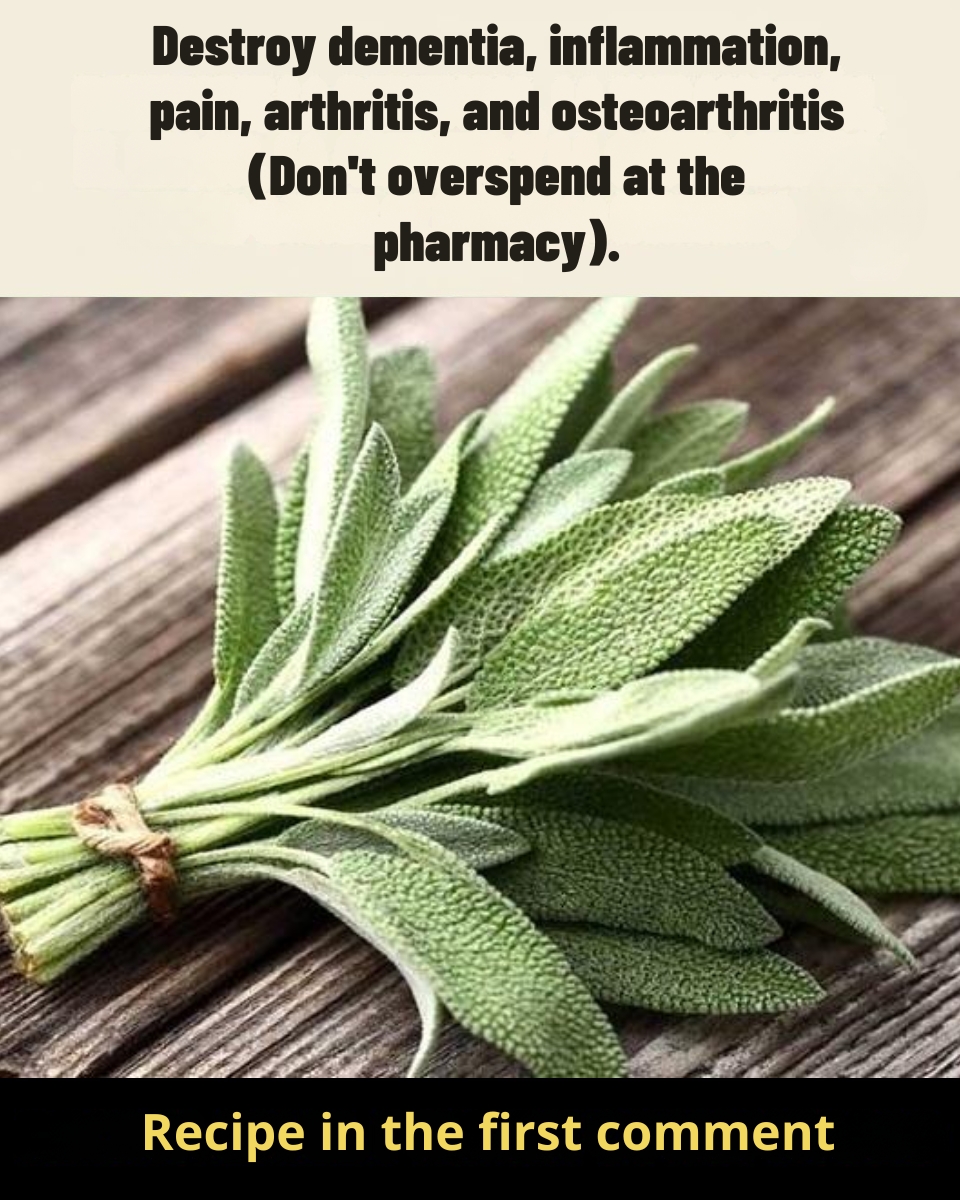
Sage—known scientifically as Salvia officinalis—has been celebrated for centuries as a miracle herb for health, cooking, and home remedies. If you have just one sage plant at home, you already have a powerhouse of natural wellness at your fingertips. Grandmothers and traditional healers across cultures have long relied on sage for its healing properties, culinary versatility, and spiritual significance.
In this blog post, we’ll explore everything you can do with one sage plant, from soothing teas and cooking enhancements to skin care, home remedies, and even spiritual rituals. You’ll learn how a single plant can support your physical, emotional, and household well-being.
A Brief History of Sage
Sage has been revered for thousands of years:
Ancient Egypt: Sage was used in embalming and for digestive health.
Ancient Greece: Considered sacred and a cure-all for memory and throat problems.
Europe in the Middle Ages: Known as “Salvia”, meaning “to save,” reflecting its use for healing.
Traditional Medicine: Used by grandmothers for colds, coughs, digestive issues, and wound care.
The saying “Why should a man die while sage grows in his garden?” reflects the plant’s long-standing association with longevity, health, and practical wisdom.
Health Benefits of Sage
Sage is a medicinal powerhouse, packed with antioxidants, anti-inflammatory compounds, and essential oils. Here’s what makes it special:
- Supports Digestion
Use: Sage tea or fresh leaves in meals.
How it works: Stimulates digestive enzymes, reduces bloating, and eases gas.
Traditional Tip: Grandmothers often brewed sage tea after heavy meals to aid digestion.
- Boosts Immunity
Rich in vitamins A, C, and K, as well as minerals like magnesium and calcium.
Contains rosmarinic acid, which has antiviral and antibacterial properties.
Usage: Daily tea or inhalation of sage steam can support immune defenses.
- Anti-Inflammatory and Pain Relief
Sage contains compounds like carnosic acid and ursolic acid, which help reduce inflammation.
Traditional uses include rubbing crushed leaves on muscle aches, sore throats, or joint pain.
- Respiratory Health
Sage has historically been used to soothe coughs, sore throats, and congestion.
Method: Brew a strong sage tea or inhale steam from hot sage leaves.
- Cognitive Support
Some studies suggest sage may enhance memory and mental clarity.
Traditionally, students and elders consumed sage tea or added sage to meals to stimulate focus.
- Skin Care
Sage’s antiseptic and antioxidant properties make it ideal for acne, minor cuts, and skin irritation.
Usage: Apply cooled sage tea as a facial rinse or crushed leaves as a gentle poultice.
Culinary Uses for Sage
One sage plant can transform countless dishes. Here’s how grandmothers traditionally used it in cooking:
- Flavoring Meats
Sage pairs well with poultry, pork, lamb, and beef.
Use fresh leaves in roasts, sausages, and marinades.
- Soups and Stews
Adds earthy aroma to vegetable or lentil soups.
Simmer fresh sage leaves for 5–10 minutes to infuse flavor.
- Herbal Teas
Brew fresh or dried leaves for soothing digestive or respiratory teas.
Optional additions: honey, lemon, or ginger.
- Sage Butter or Oil
Sage Butter: Mix softened butter with finely chopped sage; perfect on bread or roasted vegetables.
Sage Infused Oil: Use for cooking or salad dressings; retains flavor and benefits.
- Herbal Salt or Spice Mix
Dry and crush sage leaves, mix with salt or other herbs like thyme and rosemary.
Use as a seasoning for everyday cooking.
Household and Cleaning Uses
Sage has been used traditionally for home hygiene and preservation:
- Natural Air Freshener
Dry sage leaves, bundle them, and hang in your kitchen or living room.
Burns slowly to release a pleasant, earthy aroma.
- Insect Repellent
Sage smoke or crushed leaves can repel mosquitoes, flies, and other pests.
Place dried sage near windows or doors for natural protection.
- Cleaning and Antibacterial Spray
Boil sage leaves in water, let cool, and strain into a spray bottle.
Use to clean surfaces naturally or freshen linens.
Spiritual and Traditional Uses
Sage has long been used in rituals and spiritual practices:
- Smudging
Burning sage, or smudging, is believed to purify spaces, reduce negative energy, and promote mental clarity.
Traditionally, grandmothers used it before family gatherings or after illness.
- Meditation Aid
The aroma of sage can calm the mind, reduce stress, and enhance focus during meditation.
- Symbol of Longevity and Wisdom
In some cultures, sage symbolizes healing, wisdom, and protection.
A single plant in the home is often considered a guardian of wellness.
Growing and Harvesting Sage
A single sage plant can last for years with proper care. Here’s how to maximize its potential:
- Planting
Sage thrives in well-drained soil and full sunlight.
Can be grown in pots or garden beds.
- Watering
Moderate watering; avoid waterlogging, which can rot the roots.
- Harvesting
Pick leaves as needed, preferably in the morning after dew evaporates.
For drying, tie stems together and hang in a cool, dark, ventilated place.
- Regeneration
Regular trimming encourages new growth.
A single plant can provide leaves for teas, cooking, and remedies year-round.
Making the Most of One Sage Plant
Even with just one plant, you can create multiple remedies:
- Sage Tea for Immunity
Brew fresh leaves in hot water for 10 minutes.
Drink once or twice daily for immune support.
- Sage Steam for Respiratory Relief
Boil a handful of leaves in water.
Lean over the pot, cover your head with a towel, and inhale the steam.
- Sage Poultice for Skin Care
Crush fresh leaves into a paste.
Apply to minor cuts, insect bites, or irritated skin.
- Sage-Infused Oil or Vinegar
Place fresh leaves in olive oil or vinegar for 2–3 weeks.
Use for cooking, salad dressings, or as a topical remedy.
- Dried Sage Bundles for Smudging
Harvest and dry stems.
Light a bundle to cleanse spaces and reduce stress.
Combining Sage with Other Herbs
Traditional wisdom often combined sage with other herbs for enhanced effects:
Sage + Thyme: Boosts respiratory support and flavor in cooking.
Sage + Rosemary: Strengthens circulation and mental clarity.
Sage + Lemon Balm: Soothes digestion and reduces stress.
Sage in Traditional Remedies
Grandmothers used sage for everyday health issues:
- Sore Throat Remedy
Gargle with sage tea to reduce inflammation and fight infection.
- Digestive Aid
Sage tea after meals helps relieve bloating, cramps, and indigestion.
- Menstrual Comfort
Sage can reduce menstrual cramps and regulate cycles.
Brew leaves as a warm tea during menstruation.
- Cold and Flu Support
Drink sage tea or inhale steam to relieve congestion and coughs.
- Minor Cuts and Burns
Apply crushed leaves or infused oil to promote healing and prevent infection.
Practical Tips for Daily Sage Use
Rotate Leaves: Use fresh leaves for cooking and drying to maintain a continuous supply.
Store Properly: Dry leaves in airtight jars for months of use.
Be Mindful of Dosage: Sage is safe in culinary amounts; concentrated oil should be used sparingly.
Combine Benefits: Use sage in tea, cooking, and home remedies for maximum wellness impact.
Modern Research Supports Traditional Wisdom
Studies show sage has antimicrobial, antioxidant, and anti-inflammatory effects.
Research suggests sage may support cognitive function and boost immune health, validating traditional uses.
For Complete Cooking STEPS Please Head On Over To Next Page Or Open button (>) and don’t forget to SHARE with your Facebook friends
ADVERTISEMENT
