
ADVERTISEMENT
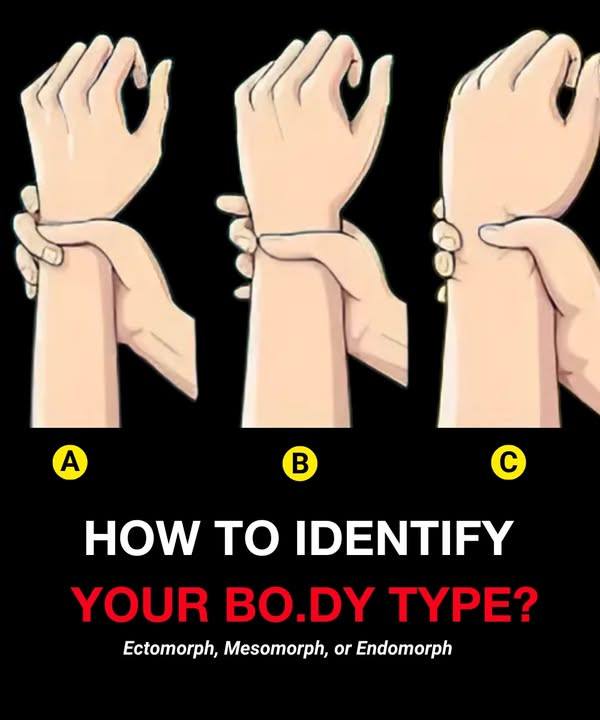
Body Types: Are You Ectomorph, Mesomorph, or Endomorph?
Our bodies are as unique as our fingerprints. From the way we gain muscle to how we store fat, everyone’s physiology responds differently to diet, exercise, and lifestyle habits. Understanding your body type, also called somatotype, can be a game-changer for designing personalized nutrition and training programs.
The concept of body types isn’t just fitness lore—it’s rooted in scientific observation. This guide will help you determine whether you are an ectomorph, mesomorph, or endomorph, explain how each type influences your metabolism, weight, and performance, and offer actionable strategies for maximizing health and fitness.
- The History of Body Types
The classification of body types comes from the work of William H. Sheldon, a psychologist and physician in the 1940s. Sheldon observed that people could generally be grouped into three somatotypes based on skeletal frame, muscle mass, and fat distribution.
Ectomorph: Lean, narrow-framed, naturally slender
Mesomorph: Naturally muscular, athletic, with a rectangular or “V-shaped” body
Endomorph: Rounded, softer, with a tendency to store fat
While Sheldon’s theories were controversial in their early psychological applications, the somatotype system is still widely used in fitness and health to tailor training and nutrition programs.
- Ectomorph: The Lean Build
Characteristics
Ectomorphs are naturally thin and often have difficulty gaining weight, whether in muscle or fat. Typical traits include:
Narrow shoulders and hips
Long limbs
Fast metabolism
Low fat storage
Difficulty gaining muscle mass
Metabolism and Nutrition
Ectomorphs have a naturally fast metabolism, which can be an advantage for staying lean but a challenge when trying to build muscle.
Tips for ectomorph nutrition:
Eat frequent, high-calorie meals
Include complex carbohydrates, healthy fats, and lean protein
Don’t rely solely on cardio—strength training is key for muscle growth
Consider post-workout protein and carb combinations to aid recovery
Training Tips
Focus on compound lifts: squats, deadlifts, bench press
Moderate reps (6–12) with progressive overload
Limit excessive cardio to avoid burning too many calories
Emphasize proper rest and recovery
Strengths: Lean, agile, endurance-friendly
Challenges: Difficulty gaining muscle, low energy reserves
- Mesomorph: The Athletic Build
Characteristics
Mesomorphs are the “golden middle,” naturally muscular and strong. They often gain muscle easily and maintain a lean appearance. Common traits include:
Broad shoulders and narrow waist
Naturally muscular build
Moderate metabolism
Gains fat and muscle relatively easily
Metabolism and Nutrition
Mesomorphs respond well to both diet and exercise, making them naturally predisposed to athletic performance.
Tips for mesomorph nutrition:
Balanced macronutrient intake: protein, carbs, and healthy fats
Adjust calories depending on activity level
Focus on nutrient-dense foods to fuel muscle growth and recovery
Training Tips
Combination of strength and cardio training is ideal
Can handle high-intensity workouts and heavier weights
Should vary routines to avoid plateaus due to adaptability
Strengths: Muscular, responsive to training, athletic
Challenges: Can gain fat if inactive, needs variety to prevent stagnation
- Endomorph: The Curvier Build
Characteristics
Endomorphs naturally carry more fat, often with a softer, rounder body shape. Traits include:
Wide hips and shoulders
Round physique
Slower metabolism
Gains weight easily, but struggles to lose fat
Metabolism and Nutrition
Endomorphs have a slower metabolism, which requires careful dietary management to prevent fat gain.
Tips for endomorph nutrition:
Focus on nutrient-dense, lower-calorie foods
Prioritize protein and fiber to increase satiety
Reduce refined carbs and sugar
Meal timing and portion control can help manage weight
Training Tips
Include a mix of strength and cardiovascular training
High-intensity interval training (HIIT) can accelerate fat loss
Progressive overload with weights helps preserve lean muscle
Consistency is critical for fat management
Strengths: Naturally strong, can gain muscle with effort
Challenges: Weight management, higher fat storage
- Determining Your Body Type
While most people exhibit characteristics of one dominant body type, many are combinations or intermediates. For example:
Ecto-mesomorph: Lean but can gain some muscle
Endo-mesomorph: Naturally muscular but prone to fat gain
How to Assess Your Body Type
Observe physical traits: Look at shoulder width, waist, limb length, muscle definition
Analyze metabolism: Consider how easily you gain or lose weight
Fitness response: How does your body respond to strength training and cardio?
Body composition testing: Tools like calipers, DEXA scans, or bioelectrical impedance can provide more precise data
It’s important to remember that body type is a guide, not a limitation. Lifestyle, diet, and training have a huge impact on what your body can achieve.
- Implications for Fitness Goals
Understanding your body type helps tailor fitness strategies.
Ectomorphs
Goal: Gain muscle and strength
Focus on resistance training, progressive overload, and calorie-dense diets
Mesomorphs
Goal: Maintain muscle and manage fat
Balanced training combining strength and conditioning, moderate diet adjustments
Endomorphs
Goal: Reduce fat, maintain lean muscle
Emphasize fat-burning exercises, diet management, and consistent training
- Body Type Myths
Several myths surround body types:
Myth 1: You can’t change your body type – While genetics influence somatotype, lifestyle choices have a huge impact. Ectomorphs can gain muscle, endomorphs can lose fat.
Myth 2: Body type dictates success in sports – While certain types may excel naturally in specific sports, training and nutrition determine performance more than genetics.
Myth 3: Ectomorphs are weak, endomorphs are lazy – Body type doesn’t equate to strength, stamina, or discipline. It’s about how you train and fuel your body.
- Nutrition Strategies by Body Type
Here’s a breakdown of nutrition strategies tailored to each type:
Body Type Calorie Approach Macronutrients Tips
Ectomorph Higher calories 40% carbs, 30% protein, 30% fat Frequent meals, post-workout shakes, complex carbs
Mesomorph Moderate calories 40% carbs, 35% protein, 25% fat Balanced meals, adjust based on activity, nutrient timing
Endomorph Controlled calories 35% carbs, 40% protein, 25% fat Focus on fiber and protein, limit refined carbs, smaller meals
- Training Approaches by Body Type
Ectomorphs:
Low to moderate cardio
Heavy resistance training
Focus on compound lifts
Mesomorphs:
Mix of cardio and weights
Moderate to high intensity
Varied routines to prevent plateaus
Endomorphs:
High-intensity interval training (HIIT)
Weight training to maintain lean muscle
Moderate cardio for fat loss
- Lifestyle Considerations
Body type influences more than just fitness—it can affect metabolism, injury risk, and recovery.
Ectomorphs may need more rest between workouts and extra nutrition to prevent fatigue.
Mesomorphs can tolerate frequent training but should avoid overtraining.
Endomorphs should focus on consistency, sleep, and stress management to prevent fat accumulation.
- Combining Body Types
Many people are mixed types, which means flexibility is key. For example:
Ecto-mesomorphs: Lean but muscular; can gain strength easily with targeted nutrition.
Endo-mesomorphs: Strong, athletic, but need to monitor fat; excellent potential for bodybuilding or power sports.
- Common Fitness Goals for Each Type
Ectomorphs: Build muscle mass, increase strength
Mesomorphs: Maintain lean muscle, optimize performance
Endomorphs: Reduce fat, maintain muscle, improve cardiovascular health
Understanding your natural tendencies makes goal-setting realistic and attainable.
- The Psychology of Body Types
Accepting your body type can reduce frustration and improve motivation. Many people try to force an “ideal” body shape, ignoring their natural tendencies. Recognizing your somatotype allows you to:
Set achievable goals
Avoid overtraining or extreme dieting
Focus on strengths rather than limitations
- Genetics vs. Lifestyle
While body type is genetic, lifestyle can override genetic predispositions. Ectomorphs can gain significant muscle, and endomorphs can become lean and athletic with proper diet and training. Genetics provide a blueprint, but lifestyle writes the final story.
- Common Misconceptions
Misconception 1: Ectomorphs can’t be strong – false; they just need focused strength training.
Misconception 2: Mesomorphs don’t have to diet – false; they can gain fat if sedentary.
Misconception 3: Endomorphs can’t get lean – false; with proper nutrition and exercise, fat loss is achievable.
- Case Studies
Case Study 1: John, the Ectomorph
Struggled to gain weight
Focused on calorie-dense meals and heavy lifting
Result: +15 lbs of muscle in 12 months
Case Study 2: Sarah, the Mesomorph
Naturally athletic
Balanced strength and cardio
Result: Maintained lean, strong physique
For Complete Cooking STEPS Please Head On Over To Next Page Or Open button (>) and don’t forget to SHARE with your Facebook friends
ADVERTISEMENT
