
ADVERTISEMENT
What Your Brain Says When You Drool in Your Sleep: Understanding the Science Behind Nocturnal Salivation
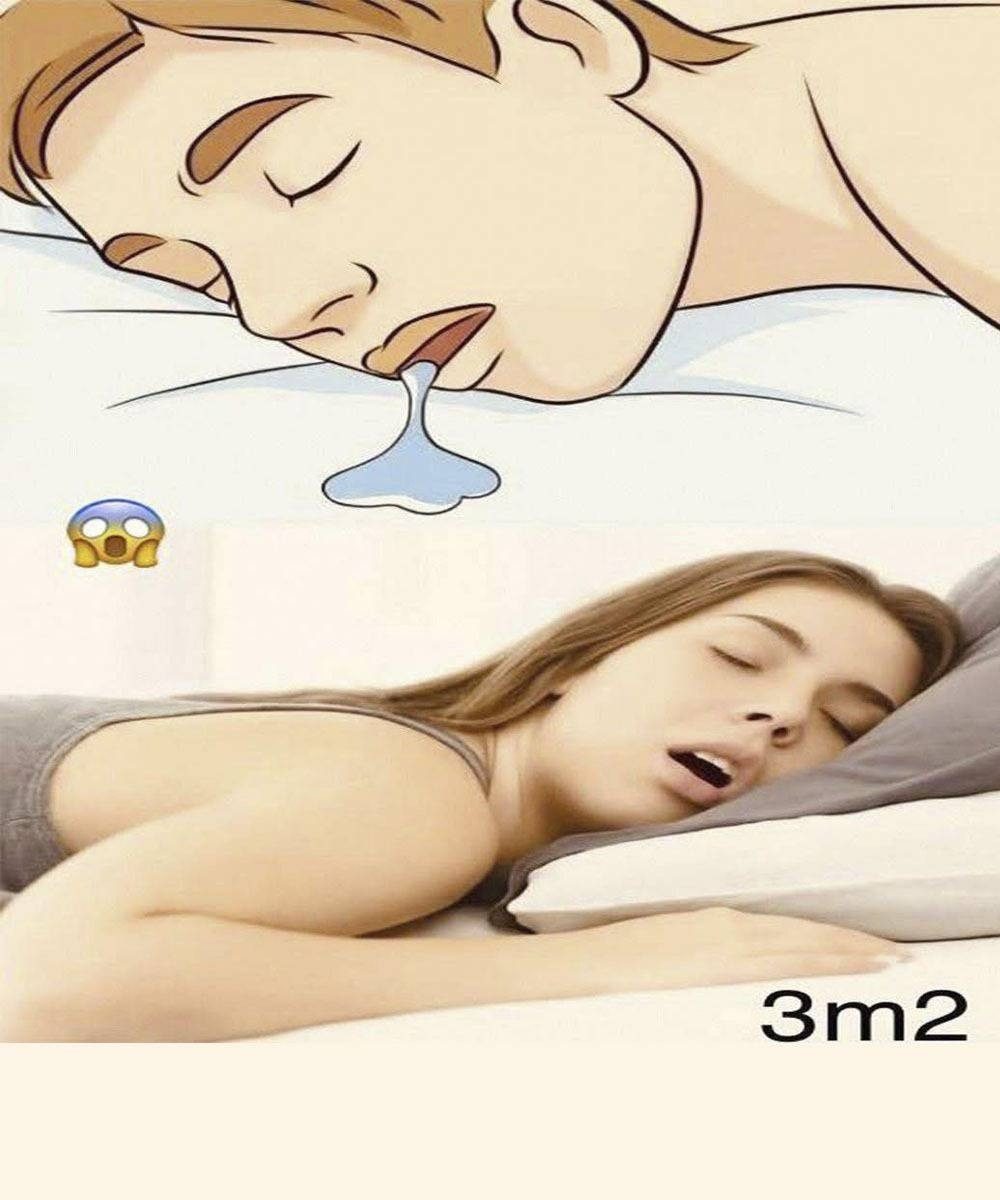
It’s happened to many of us: you wake up in the morning, wipe away the drool from your pillow, and wonder—why does my body do this while I sleep? While it might feel embarrassing or inconvenient, drooling during sleep, also known as nocturnal sialorrhea, is more than just a quirky sleep behavior. In fact, your brain is sending signals through your nervous system that reflect your sleep position, brain activity, and even overall health.
In this in-depth exploration, we’ll examine what happens in your brain when you drool, the physiological mechanisms involved, potential health implications, and tips for managing or preventing nighttime drooling.
- What Is Sleep Drooling?
Sleep drooling is the involuntary release of saliva during sleep. While most people produce around 0.5 to 1.5 liters of saliva daily, it’s usually swallowed subconsciously throughout the day. During sleep, however, the body’s normal swallowing reflex slows down, and saliva can accumulate in the mouth.
Drooling in sleep is generally harmless, but when it occurs frequently or excessively, it may point to underlying issues such as:
Poor sleep posture
Obstructed airways
Neurological conditions
Gastrointestinal issues
- The Role of the Brain in Saliva Production
Your brain actively regulates saliva production through the autonomic nervous system (ANS), which controls involuntary bodily functions like heart rate, digestion, and respiratory patterns. Two main components of the ANS influence saliva:
a) Parasympathetic Nervous System
Activates during relaxation and restorative states, including deep sleep.
Stimulates salivary glands to produce saliva for oral health and digestion.
b) Sympathetic Nervous System
Often reduces saliva production during stress or alert states.
During sleep, this system is mostly subdued, allowing the parasympathetic system to dominate.
In essence, your brain’s rest-and-digest signals are responsible for saliva secretion at night. If swallowing reflexes are compromised, the saliva can escape, causing drooling.
- Sleep Stages and Drooling
Sleep is divided into REM (rapid eye movement) and non-REM stages. Each stage affects brain function differently:
Non-REM Sleep
Body enters deep restorative states.
Muscles are relaxed but not paralyzed.
Saliva production continues normally.
REM Sleep
Brain activity is high, resembling wakefulness.
Most voluntary muscles are paralyzed (atonia) to prevent acting out dreams.
Swallowing muscles may be partially inhibited, increasing the likelihood of drooling.
Key Insight: Drooling often occurs during deep sleep transitions or REM sleep, when muscle tone is reduced and saliva accumulates.
- The Link Between Sleep Position and Drooling
Your body position while sleeping plays a major role in nocturnal drooling. Common observations include:
Side Sleeping: Saliva may pool on the pillow, causing localized drooling.
Stomach Sleeping: The head turns to the side, allowing saliva to escape more easily.
Back Sleeping: Drooling is less common, as gravity keeps saliva toward the back of the throat, where it may be swallowed.
Expert Opinion: Dr. Emily Rodriguez, a sleep specialist, says, “Drooling is often a mechanical issue. Your brain is functioning normally, but gravity and posture affect where the saliva goes.”
- Why Some People Drool More Than Others
While occasional drooling is normal, certain factors increase its frequency:
a) Nasal Congestion
Blocked nasal passages force mouth breathing, which can reduce swallowing frequency.
Causes include colds, allergies, or structural issues like a deviated septum.
b) Medications
Antidepressants, antihistamines, and antipsychotics can interfere with saliva control.
c) Neurological Conditions
Parkinson’s disease, ALS, and stroke can disrupt the brain’s regulation of swallowing.
d) Age Factors
Infants often drool due to underdeveloped swallowing reflexes.
Older adults may experience reduced swallowing efficiency, increasing nighttime drooling.
- What Drooling Says About Your Brain Function
Drooling is a window into several aspects of brain function:
Swallowing Reflex Coordination
Controlled by the brainstem, particularly the medulla oblongata.
Impairments can indicate neurological issues.
Sleep Stage Regulation
Increased drooling during REM may indicate normal deep sleep cycles.
Parasympathetic Activity
Active saliva production is a sign that your parasympathetic nervous system is functioning properly.
Interesting Note: Occasional drooling is actually a good sign—it shows your brain is relaxed and that your body is in a restorative state.
- Potential Health Implications of Excessive Drooling
While most sleep drooling is harmless, persistent or excessive drooling could point to:
a) Sleep Apnea
Drooling may be linked to airway obstruction and frequent mouth breathing.
Symptoms include snoring, gasping during sleep, and daytime fatigue.
b) Gastroesophageal Reflux Disease (GERD)
Acid reflux can stimulate saliva production as the body attempts to neutralize stomach acid.
c) Neurological Disorders
Parkinson’s disease, stroke, and cerebral palsy can impair saliva control and swallowing.
d) Medication Side Effects
Drugs affecting muscle control or saliva regulation can increase drooling.
Key Takeaway: Occasional drooling is normal, but if combined with other symptoms like choking, fatigue, or snoring, medical evaluation is recommended.
- Psychological and Emotional Connections
Interestingly, drooling can also reflect mental relaxation and stress relief:
The brain relaxes inhibitory control over muscle function during deep sleep, allowing saliva to escape.
Stress reduction improves parasympathetic activity, potentially increasing nocturnal drooling in some individuals.
Dr. Rodriguez adds: “Drooling isn’t just a mechanical phenomenon—it can also reflect how relaxed your nervous system is during restorative sleep.”
- Tips to Reduce Nighttime Drooling
If drooling is frequent and bothersome, here are ways to manage it:
a) Adjust Sleep Position
Sleeping on your back can reduce saliva leakage.
Use a supportive pillow to keep your head slightly elevated.
b) Treat Nasal Congestion
Use saline sprays or nasal strips to improve airflow.
Address allergies or sinus issues with antihistamines (if recommended by a doctor).
c) Address GERD
Avoid eating large meals before bedtime.
Raise the head of your bed slightly to reduce acid reflux.
d) Hydration and Oral Care
Stay hydrated to regulate saliva viscosity.
Brush teeth before bed to reduce bacteria that may increase drooling.
e) Consult a Specialist
Persistent drooling may require evaluation by a sleep specialist, ENT, or neurologist.
In rare cases, Botox injections into salivary glands or medications that reduce saliva production may be recommended.
- Fun Facts About Sleep Drooling
Drooling is more common in children, especially during teething.
It can also occur in deep dream states, when facial muscles are completely relaxed.
Some animals drool during sleep, including dogs and cats, particularly after feeding or in deep rest.
Drooling can indicate a healthy, restorative sleep cycle.
- When to Seek Medical Help
While most cases are harmless, see a doctor if drooling is accompanied by:
Difficulty swallowing
Choking or gagging at night
Excessive snoring or breathing difficulties
Sudden changes in saliva control
These may indicate underlying neurological or respiratory issues that require evaluation.
- Sleep Hygiene and Brain Health
Managing drooling is often part of good sleep hygiene, which also supports brain health:
Maintain a consistent sleep schedule
Keep your bedroom cool and dark
Limit caffeine and alcohol close to bedtime
Practice relaxation techniques before sleep
Good sleep hygiene ensures that your parasympathetic system functions optimally, saliva regulation remains normal, and your brain gets restorative rest.
- Scientific Studies on Sleep Drooling
Several studies have explored nocturnal drooling:
A study in the Journal of Clinical Sleep Medicine found that drooling is linked to REM muscle atonia and normal sleep physiology.
Research in pediatric populations shows that developmental delays or neurological conditions often correlate with increased nighttime salivation.
Studies also highlight that excessive drooling may be an early symptom of Parkinson’s disease due to impaired brainstem function.
- The Takeaway: What Your Brain Is Really Saying
For Complete Cooking STEPS Please Head On Over To Next Page Or Open button (>) and don’t forget to SHARE with your Facebook friends
ADVERTISEMENT
