
ADVERTISEMENT
Understanding Stroke: Why Diet Matters So Much
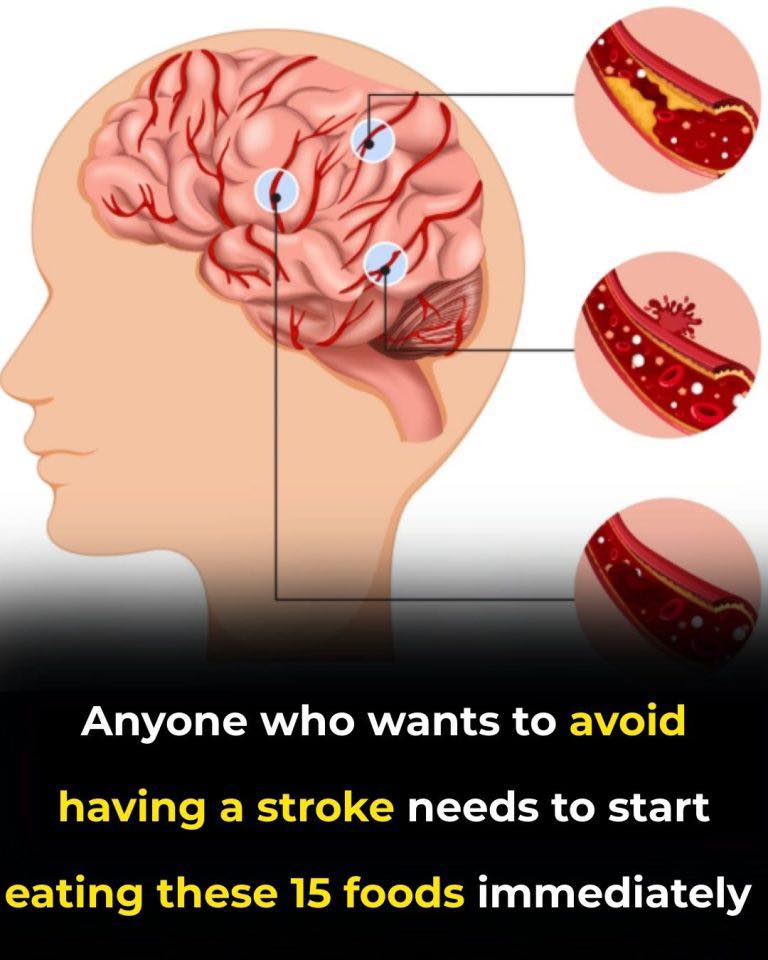
A stroke occurs when blood flow to the brain is interrupted, either by a blockage (ischemic stroke) or by a ruptured blood vessel (hemorrhagic stroke). Without oxygen and nutrients, brain cells begin to die within minutes.
Major Diet-Related Stroke Risk Factors
Hypertension (high blood pressure)
Atherosclerosis (plaque buildup in arteries)
High LDL (“bad”) cholesterol
Type 2 diabetes
Chronic inflammation
Obesity
Diet directly influences every one of these factors. The foods you eat can either damage blood vessels or protect them, stiffen arteries or keep them flexible, promote inflammation or calm it.
The Stroke-Preventive Diet Pattern
People with the lowest stroke risk tend to follow diets that are:
Rich in whole, unprocessed foods
High in fiber and antioxidants
Balanced in healthy fats
Low in excess sugar, sodium, and refined carbohydrates
The following 15 foods fit perfectly into this pattern.
- Leafy Green Vegetables
Examples: Spinach, kale, Swiss chard, arugula, collard greens
Leafy greens are among the most powerful stroke-protective foods available.
Why They Matter
Rich in vitamin K, which supports healthy blood clotting
High in nitrates, which help lower blood pressure
Loaded with antioxidants that protect blood vessels
Studies consistently show that people who eat leafy greens daily have a significantly lower risk of stroke.
How to eat them:
Add them to salads, smoothies, soups, omelets, or sauté lightly with olive oil.
- Berries
Examples: Blueberries, strawberries, raspberries, blackberries
Berries are small but incredibly powerful for brain and vascular health.
Stroke-Fighting Benefits
High in flavonoids, which improve blood vessel function
Help reduce inflammation
Support healthy blood pressure
Blueberries, in particular, are linked to improved cognitive function and reduced cardiovascular risk.
How to eat them:
Fresh, frozen, in yogurt, oatmeal, or smoothies.
- Fatty Fish
Examples: Salmon, sardines, mackerel, trout
Fatty fish are one of the best sources of omega-3 fatty acids, which are essential for stroke prevention.
Why Omega-3s Matter
Reduce inflammation
Lower triglycerides
Improve arterial flexibility
Help prevent abnormal blood clot formation
Eating fatty fish at least two times per week is strongly associated with reduced stroke risk.
How to eat it:
Grilled, baked, or lightly pan-seared—avoid deep frying.
- Olive Oil
Extra virgin olive oil is a cornerstone of the Mediterranean diet, one of the most studied dietary patterns for stroke prevention.
Key Benefits
Rich in monounsaturated fats
Contains polyphenols that protect arteries
Helps reduce LDL cholesterol oxidation
Replacing butter and refined oils with olive oil can significantly improve heart and brain health.
How to use it:
Drizzle on salads, vegetables, or use for low-heat cooking.
- Whole Grains
Examples: Oats, quinoa, brown rice, barley, whole wheat
Whole grains provide fiber, minerals, and plant compounds that protect the cardiovascular system.
Stroke Protection
Lower blood pressure
Improve blood sugar control
Reduce inflammation
Refined grains, on the other hand, increase stroke risk—so the type of grain matters.
How to eat them:
Choose whole-grain bread, oats for breakfast, or quinoa as a base for meals.
- Beans and Legumes
Examples: Lentils, chickpeas, black beans, kidney beans
Beans are nutritional powerhouses that support vascular health.
Why They’re Important
High in fiber, which lowers cholesterol
Rich in magnesium and potassium
Help regulate blood sugar
Regular consumption of legumes is linked to lower rates of heart disease and stroke.
How to eat them:
Add to soups, salads, stews, or make bean-based spreads.
- Nuts
Examples: Walnuts, almonds, pistachios
Nuts provide healthy fats, protein, and antioxidants that protect blood vessels.
Stroke-Related Benefits
Improve cholesterol balance
Reduce inflammation
Support endothelial (artery lining) health
Walnuts are especially beneficial due to their omega-3 content.
How to eat them:
A small handful daily—raw or dry roasted, unsalted.
- Seeds
Examples: Flaxseeds, chia seeds, pumpkin seeds
Seeds are tiny but rich in nutrients critical for stroke prevention.
Why Seeds Help
Provide fiber for cholesterol control
Contain magnesium for blood pressure regulation
Offer plant-based omega-3s
How to eat them:
Sprinkle on yogurt, oatmeal, salads, or blend into smoothies.
- Avocados
Avocados are loaded with heart-healthy fats and potassium.
Stroke Prevention Benefits
Help lower LDL cholesterol
Improve blood vessel elasticity
Potassium helps counteract sodium’s effects on blood pressure
How to eat them:
On toast, in salads, or blended into spreads and smoothies.
- Garlic
Garlic has been used medicinally for thousands of years—and modern science supports its benefits.
Why Garlic Matters
Helps lower blood pressure
Improves cholesterol levels
Supports healthy circulation
Garlic may also help reduce plaque buildup in arteries when consumed regularly.
How to eat it:
Fresh, crushed garlic is most effective—add it to cooking near the end.
- Tomatoes
Tomatoes are rich in lycopene, a powerful antioxidant linked to cardiovascular protection.
Stroke-Related Benefits
Reduce oxidative stress
Improve blood vessel health
Help regulate cholesterol
Cooked tomatoes (like tomato sauce) make lycopene more bioavailable.
How to eat them:
Fresh, cooked, or blended into sauces and soups.
- Dark Chocolate (In Moderation)
Yes, chocolate can be part of a stroke-conscious diet—if it’s the right kind.
Why Dark Chocolate Helps
High in flavanols that improve blood flow
May help lower blood pressure
Supports endothelial function
Choose dark chocolate with 70% cocoa or higher.
How to eat it:
A small square a few times per week—not daily candy bars.
- Yogurt and Fermented Foods
Examples: Yogurt, kefir, sauerkraut, kimchi
Gut health plays a surprisingly important role in cardiovascular health.
Stroke Prevention Link
Support beneficial gut bacteria
Improve inflammation regulation
Help manage blood pressure
Choose low-sugar or unsweetened options.
- Green Tea
Green tea is rich in catechins, antioxidants known to protect the heart and brain.
Benefits
Improve blood vessel function
Reduce inflammation
Support healthy blood pressure
Regular green tea consumption is associated with lower stroke incidence.
How to drink it:
1–3 cups per day, without added sugar.
- Citrus Fruits
Examples: Oranges, lemons, grapefruits
Citrus fruits contain flavonoids that improve vascular function.
Stroke Protection
Support healthy blood pressure
Reduce inflammation
Improve cholesterol balance
How to eat them:
Whole fruits are better than juices due to fiber content.
Foods to Limit or Avoid for Stroke Prevention
Just as important as what you eat is what you limit:
Processed meats
Excess sodium
Sugary beverages
Refined carbohydrates
Trans fats
Excessive alcohol
Reducing these foods dramatically lowers stroke risk.
Lifestyle Habits That Amplify the Benefits
Diet works best when combined with:
Regular physical activity
Stress management
Adequate sleep
Smoking cessation
For Complete Cooking STEPS Please Head On Over To Next Page Or Open button (>) and don’t forget to SHARE with your Facebook friends
ADVERTISEMENT
