
ADVERTISEMENT
Why Drain Pipes Get Clogged in the First Place
Before understanding the plumber’s method, it’s essential to understand the enemy. Clogs rarely happen overnight. They build up slowly, layer by layer, until water can no longer pass through efficiently.
Common Causes of Drain Blockages
- Grease and Fat Build-Up
In kitchens, grease is public enemy number one. Hot grease flows easily down the drain, but as it cools, it solidifies and sticks to pipe walls. Over time, it traps food particles and debris, forming stubborn blockages.
- Hair and Soap Scum
Bathroom drains often clog due to hair combining with soap residue. Soap scum acts like glue, binding hair into dense clumps that restrict water flow.
- Food Waste
Even with garbage disposals, fibrous foods like celery, potato peels, rice, pasta, and coffee grounds can create blockages.
- Foreign Objects
From children’s toys to hygiene products and paper towels, items that don’t belong in drains are a major cause of sudden clogs.
- Mineral Deposits
In areas with hard water, mineral scale gradually lines pipes, narrowing their diameter and slowing drainage.
- Tree Roots (Outdoor and Main Lines)
Tree roots are attracted to moisture and can infiltrate underground pipes, causing serious blockages and damage.
Understanding what causes clogs is the first step in solving them effectively—and permanently.
Why Most DIY Drain Fixes Fail
Many homeowners attempt quick fixes that seem to work temporarily but don’t address the root cause.
Chemical Drain Cleaners
While widely available, chemical cleaners:
Can damage pipes over time
Often fail to remove solid obstructions
Are harmful to the environment
Pose health risks if misused
Plumbers rarely use them.
Boiling Water (Sometimes Helpful, Often Not)
Boiling water may dissolve light grease build-up, but it won’t remove hair clogs or solid obstructions—and can damage PVC pipes if overused.
Improvised Tools
Wire hangers and makeshift tools often push clogs deeper into the system rather than removing them.
Professionals rely on precision, not force or harsh chemicals.
The Plumber’s Mindset: Diagnose Before You Act
The real secret behind a plumber’s method isn’t just tools—it’s diagnosis.
Before touching the drain, a plumber asks:
Where is the blockage located?
Is it affecting one fixture or multiple?
Is the problem recurring?
What type of pipe is involved?
This information determines the safest and most effective solution.
Single Fixture vs. Whole House
Single fixture clog → Likely localized (sink, shower, or toilet)
Multiple drains backing up → Possible main sewer line issue
This distinction is critical.
The Plumber’s Method: Step-by-Step
Let’s break down how professionals clear drains safely and effectively.
Step 1: Mechanical Clearing (Not Chemicals)
Plumbers rely on mechanical methods to physically remove blockages rather than dissolving them.
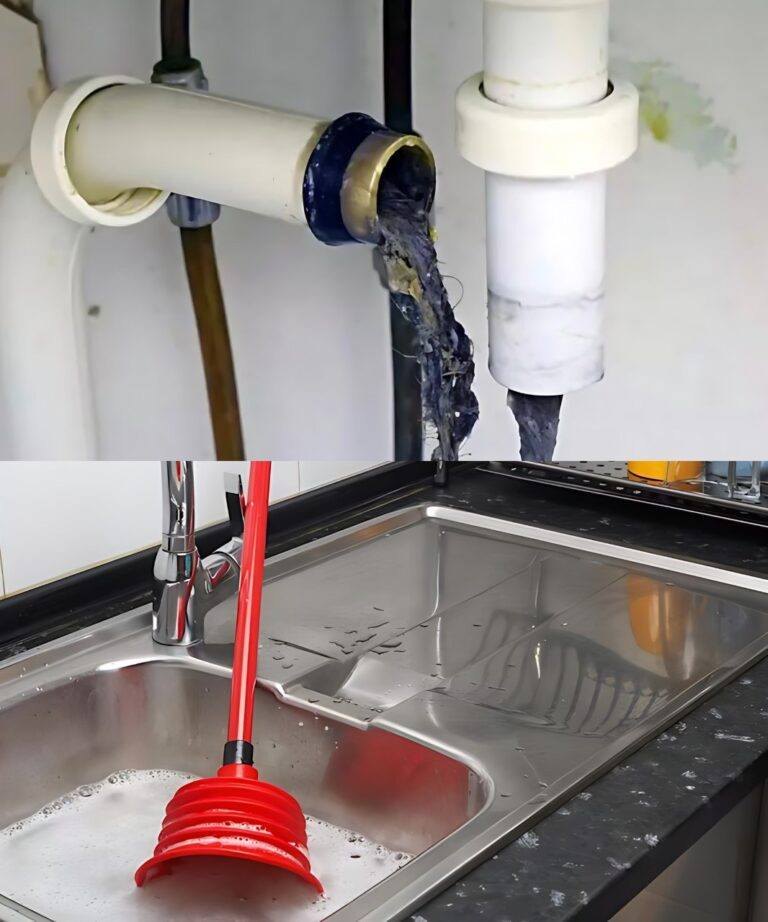
- The Plunger (Yes, Professionals Use It)
A properly used plunger can be incredibly effective.
Plumber’s technique:
Ensure a tight seal around the drain
Use steady, controlled thrusts (not frantic pumping)
Maintain water in the fixture to create pressure
Pull the clog upward, not push it deeper
Different plungers exist for sinks and toilets—using the right one matters.
Step 2: Drain Snaking (The Core Method)
The drain snake, also known as a plumbing auger, is one of the most trusted tools in a plumber’s arsenal.
What Is a Drain Snake?
A flexible metal cable with a cutting or grabbing head that travels deep into pipes to:
Break up clogs
Retrieve debris
Scrape pipe walls clean
How Plumbers Use It
Insert slowly to avoid pipe damage
Rotate gently to latch onto debris
Pull clog material out rather than pushing it through
Repeat until the pipe is fully clear
This method is especially effective for:
Hair clogs
Soap buildup
Food debris
Step 3: Removing and Cleaning the P-Trap
For sink clogs, plumbers often remove the P-trap—the curved pipe beneath sinks.
Why the P-Trap Matters
Designed to trap debris and prevent sewer gases
Often the first place clogs accumulate
Plumber’s Method
Place a bucket underneath
Unscrew fittings carefully
Remove trapped debris manually
Clean thoroughly before reinstalling
This step alone resolves a surprising number of sink blockages.
Step 4: Hydro Jetting (The Professional Secret Weapon)
For severe or recurring clogs, plumbers turn to hydro jetting.
What Is Hydro Jetting?
A high-pressure water system that:
Blasts away grease, sludge, and scale
Cleans the entire pipe diameter
Removes years of buildup in one session
Why It Works
Unlike snaking, which punches through clogs, hydro jetting restores pipes to near-original condition.
It’s especially effective for:
Grease-heavy kitchen drains
Commercial plumbing
Preventive maintenance
Mineral scale buildup
Hydro jetting is safe for most modern pipes when done professionally.
Step 5: Camera Inspection (The Hidden Advantage)
Professional plumbers often use drain cameras to inspect pipes after clearing them.
Why Camera Inspections Matter
They reveal:
Cracks or collapsed pipes
Tree root intrusion
Remaining buildup
Pipe misalignment
This prevents repeat problems and unnecessary guesswork.
Natural Drain Cleaning Methods Plumbers Approve
While plumbers avoid harsh chemicals, some gentle, natural methods are approved for maintenance.
Baking Soda and Vinegar (Maintenance Only)
This combination helps with:
Odors
Light grease buildup
Plumber’s tip: Use it regularly for prevention, not emergency clogs.
Hot Water and Dish Soap
Effective for:
Minor grease accumulation
Kitchen drains
Enzyme Cleaners
These biological cleaners break down organic material slowly and safely—ideal for maintenance.
Preventive Maintenance: The Real Secret
The best plumbers will tell you: the easiest clog to fix is the one that never happens.
Kitchen Drain Prevention
Never pour grease down the drain
Use sink strainers
Run cold water when using the garbage disposal
Avoid fibrous foods in disposals
Bathroom Drain Prevention
Install hair catchers
Avoid flushing wipes or hygiene products
Clean drains monthly
Whole-House Prevention
Annual professional drain cleaning
Regular hydro jetting for older homes
Tree root inspections for sewer lines
When to Call a Professional Plumber
Some problems go beyond DIY solutions.
Call a Plumber If:
Multiple drains are backing up
You smell sewage
Water backs up into tubs or showers
Clogs return frequently
You hear gurgling sounds
You suspect tree root intrusion
Ignoring these signs can lead to pipe damage, flooding, and costly repairs.
Common Drain Myths—Debunked by Plumbers
Myth 1: “Flushable” Wipes Are Safe
False. They are a major cause of sewer blockages.
Myth 2: Chemical Cleaners Fix Everything
They often cause more harm than good.
Myth 3: Hot Water Alone Solves Grease Clogs
It helps temporarily but doesn’t remove buildup.
Myth 4: If Water Drains Slowly, It’s Not Serious
Slow drainage is an early warning sign.
The Long-Term Cost of Ignoring Drain Issues
Unchecked drain problems can lead to:
Pipe corrosion
Structural water damage
Mold growth
Health hazards
Expensive emergency repairs
For Complete Cooking STEPS Please Head On Over To Next Page Or Open button (>) and don’t forget to SHARE with your Facebook friends
ADVERTISEMENT
