
ADVERTISEMENT
The Chef’s Clever Hack for Perfectly Peeled Hard-Boiled Eggs
No cracks, no torn whites, no frustration—just flawless eggs every time
Few things in the kitchen are as deceptively simple—and as consistently frustrating—as peeling hard-boiled eggs.
You do everything “right.” You buy fresh eggs. You bring the water to a boil. You cook them carefully. You even cool them down. And yet, when it comes time to peel, the shell clings stubbornly to the egg white. Chunks tear away. Pockmarks appear. The egg ends up looking like it survived a minor accident rather than a peaceful boil.
If you’ve ever stood at the sink muttering under your breath while peeling eggs for deviled eggs, egg salad, Easter baskets, ramen, or meal prep, you’re not alone. Even experienced home cooks struggle with this.
But professional chefs? They don’t.
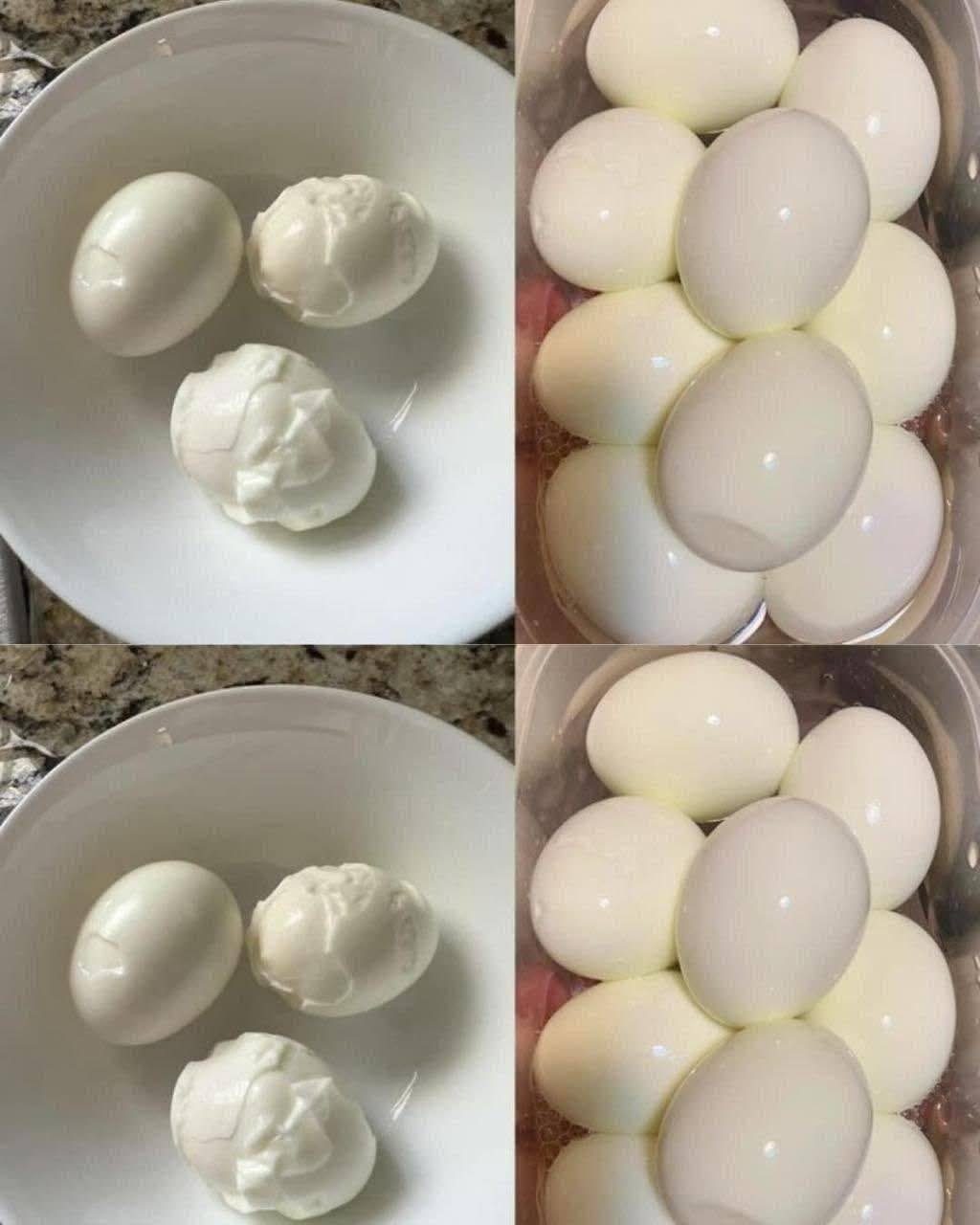
Chefs peel dozens—sometimes hundreds—of eggs with ease, producing smooth, flawless whites that look almost sculpted. And they’re not relying on luck or superstition. They use a simple, science-backed hack that virtually guarantees perfectly peeled hard-boiled eggs every single time.
Today, we’re breaking down that clever chef’s hack, why it works, and exactly how to do it at home—plus bonus tips, common mistakes, and answers to all the egg-peeling myths you’ve heard over the years.
Once you learn this method, you may never dread peeling eggs again.
Why Hard-Boiled Eggs Are So Hard to Peel
Before we get to the hack, it helps to understand why eggs are such a pain to peel in the first place.
The Anatomy of an Egg (Simplified)
Inside an eggshell, there are several layers:
The shell itself
Two thin membranes just under the shell
The egg white (albumen)
The yolk
When an egg is cooked, the proteins in the white coagulate and firm up. The problem is that those proteins can bond tightly to the inner membrane—especially in certain conditions.
The Real Culprits
Fresh Eggs
Counterintuitive, but fresh eggs are the hardest to peel. Their lower pH causes the whites to cling more tightly to the membrane.
Slow Temperature Changes
Eggs that heat up or cool down too slowly are more likely to stick.
Improper Starting Point
Where you begin peeling matters more than most people realize.
Lack of Steam or Shock
Without a force separating the membrane from the white, peeling becomes a battle.
Chefs understand these variables—and use them to their advantage.
The Chef’s Clever Hack: Steam, Then Shock
The secret isn’t vinegar. It’s not baking soda. It’s not poking holes in the shell with a pin.
The chef’s clever hack is this:
Steam the eggs instead of boiling them, then immediately shock them in an ice bath and peel from the wide end.
That’s it.
Simple. Elegant. Incredibly effective.
Let’s break down exactly why this works—and then how to do it step by step.
Why Steaming Eggs Works Better Than Boiling
- Steam Sets the Egg Whites Faster
When eggs are lowered into boiling water, the temperature change can be uneven. With steam, the heat surrounds the egg instantly and evenly, causing the whites to firm up quickly and cleanly—without bonding as tightly to the membrane.
- Steam Separates the Membrane
Steaming creates tiny pockets of steam between the shell and the membrane. These pockets help loosen the membrane from the egg white, making peeling dramatically easier.
- Less Water, More Control
Boiling eggs involves a lot of water and movement. Steaming is gentler, more controlled, and far more consistent.
Professional kitchens rely on steaming because it:
Produces consistent results
Reduces breakage
Speeds up prep
Makes peeling effortless
The Importance of the Ice Bath
Steaming alone is powerful—but the ice bath is non-negotiable.
What the Ice Bath Does
Stops the cooking instantly (no green yolks)
Causes the egg to contract slightly inside the shell
Pulls the egg white away from the membrane
Makes peeling faster and cleaner
Chefs don’t just cool eggs—they shock them.
The Wide-End Peeling Trick (The Final Key)
Every egg has a wide end, where a small air pocket forms as the egg ages.
Peeling from this end is critical because:
The membrane is already detached there
You can slide your thumb under the membrane easily
The shell often comes off in large pieces
This single detail is the difference between a struggle and a smooth peel.
Step-by-Step: The Chef’s Method for Perfectly Peeled Hard-Boiled Eggs
What You’ll Need
Eggs (any size)
A pot with a steamer basket or metal sieve
Lid
Ice
Cold water
Step 1: Bring Water to a Boil
Add about 1 inch of water to your pot. Insert the steamer basket and bring the water to a rolling boil.
The eggs should not be touching the water.
Step 2: Add the Eggs to the Steamer
Carefully place the eggs in the steamer basket in a single layer.
Cover with a tight-fitting lid.
Step 3: Steam According to Doneness
Steam times (for large eggs):
Soft-boiled (jammy center): 6–7 minutes
Medium-boiled: 8–9 minutes
Hard-boiled: 11–12 minutes
Start timing as soon as the lid goes on.
Step 4: Immediate Ice Bath
As soon as the timer goes off, transfer the eggs directly into a bowl of ice water.
Let them sit for at least 5 minutes.
Step 5: Crack and Peel from the Wide End
Tap the wide end gently to crack the shell
Slide your thumb under the membrane
Peel under running water if needed
The shell should come off in large, satisfying pieces.
Why This Hack Beats Every Other Method
Vinegar? Not Necessary
Vinegar may slightly weaken the shell, but it doesn’t reliably fix sticking membranes.
Baking Soda? Inconsistent
It raises pH, but often leads to rubbery whites.
Poking Holes? Risky
It can cause cracking and uneven cooking.
Rolling on the Counter? Messy
Helpful, but not enough on its own.
Steaming + ice bath + wide-end peeling addresses every major cause of peeling failure.
Common Mistakes That Ruin Hard-Boiled Eggs
Skipping the Ice Bath
Warm eggs are harder to peel. Period.
Overcrowding the Steamer
Eggs need space for even cooking.
Peeling Too Slowly
Confident, steady peeling works better than cautious picking.
Using No Lid
Steam escapes = uneven results.
Can You Use This Hack with Fresh Eggs?
Yes—and this is one of its biggest advantages.
Even very fresh eggs, which are notoriously hard to peel, become manageable with the steaming method.
That’s why chefs love it.
How to Store Hard-Boiled Eggs
Unpeeled: up to 7 days in the fridge
Peeled: 3–4 days in an airtight container
Store with a damp paper towel to prevent drying
Perfect Uses for Flawlessly Peeled Eggs
When your eggs look this good, you’ll want to show them off.
Deviled eggs
Cobb salad
Ramen and noodle bowls
Pickled eggs
Egg salad
Scotch eggs
Bento boxes
Smooth whites make every dish look more professional.
Frequently Asked Questions
Can I Steam Eggs Without a Steamer Basket?
Yes. A metal sieve or even a trivet works, as long as the eggs are above the water.
Do I Need Ice, or Is Cold Water Enough?
Ice is best. The colder the shock, the better the peel.
For Complete Cooking STEPS Please Head On Over To Next Page Or Open button (>) and don’t forget to SHARE with your Facebook friends
ADVERTISEMENT
