
ADVERTISEMENT
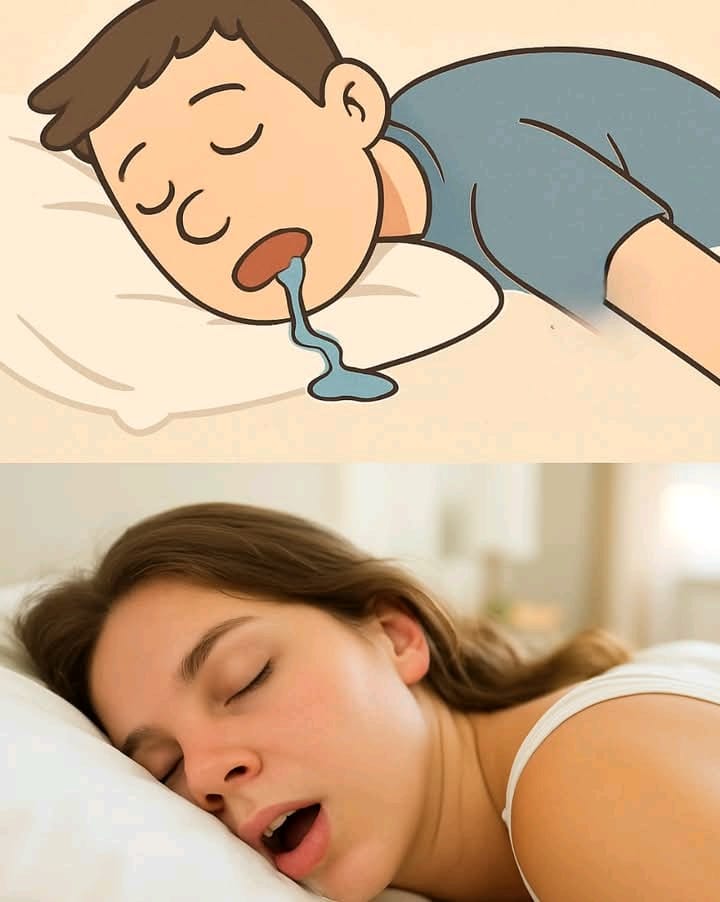
Waking up to a damp pillow is more common than you think. For many, drooling during sleep is just a harmless quirk — maybe you slept on your side, had a long day, or simply relaxed too deeply. But if it happens frequently, excessively, or out of the blue, it could be more than just a messy night.
Persistent nighttime drooling — medically known as sialorrhea — can be a silent warning sign of an underlying health condition. While occasional drooling is normal, chronic drooling deserves attention — especially when paired with other symptoms.
Here are 6 diseases and conditions that could be behind your nightly drool — and what you should do about them.×
1. Sleep Apnea – The Breathing Blockage Connection
What It Is:
Sleep apnea is a serious sleep disorder where breathing repeatedly stops and starts during the night — most commonly obstructive sleep apnea (OSA), caused by a blocked airway.
Why It Causes Drooling:
When your airway is partially blocked, you’re more likely to breathe through your mouth. This disrupts the normal swallowing reflex, causing saliva to pool and leak out while you sleep.
Other Warning Signs:
- Loud, chronic snoring
- Gasping or choking during sleep
- Waking up with a dry mouth or sore throat
- Daytime fatigue, even after a full night’s rest
- Morning headaches and brain fog
What to Do:
If you suspect sleep apnea, see a doctor for a sleep study. Treatments like CPAP therapy, lifestyle changes, or dental devices can restore healthy breathing — and stop the drool.
2. Gastroesophageal Reflux Disease (GERD)
What It Is:
GERD occurs when stomach acid flows back into the esophagus, irritating the lining and triggering a host of uncomfortable symptoms.×
Why It Causes Drooling:
Your body’s natural response to acid reflux is to produce more saliva, which acts as a buffer to neutralize the acid. This excess saliva can overflow while you’re lying down, especially if you sleep on your back.
Other Symptoms:
- Heartburn or a sour taste in the mouth
- Regurgitation of food or liquid
- Chronic cough or hoarseness
- Chest pain or throat irritation
What to Do:
Elevate your head while sleeping, avoid heavy meals before bed, and steer clear of spicy, fatty, or acidic foods. If symptoms persist, your doctor may recommend proton pump inhibitors (PPIs) or other medications.
ADVERTISEMENT
