
ADVERTISEMENT
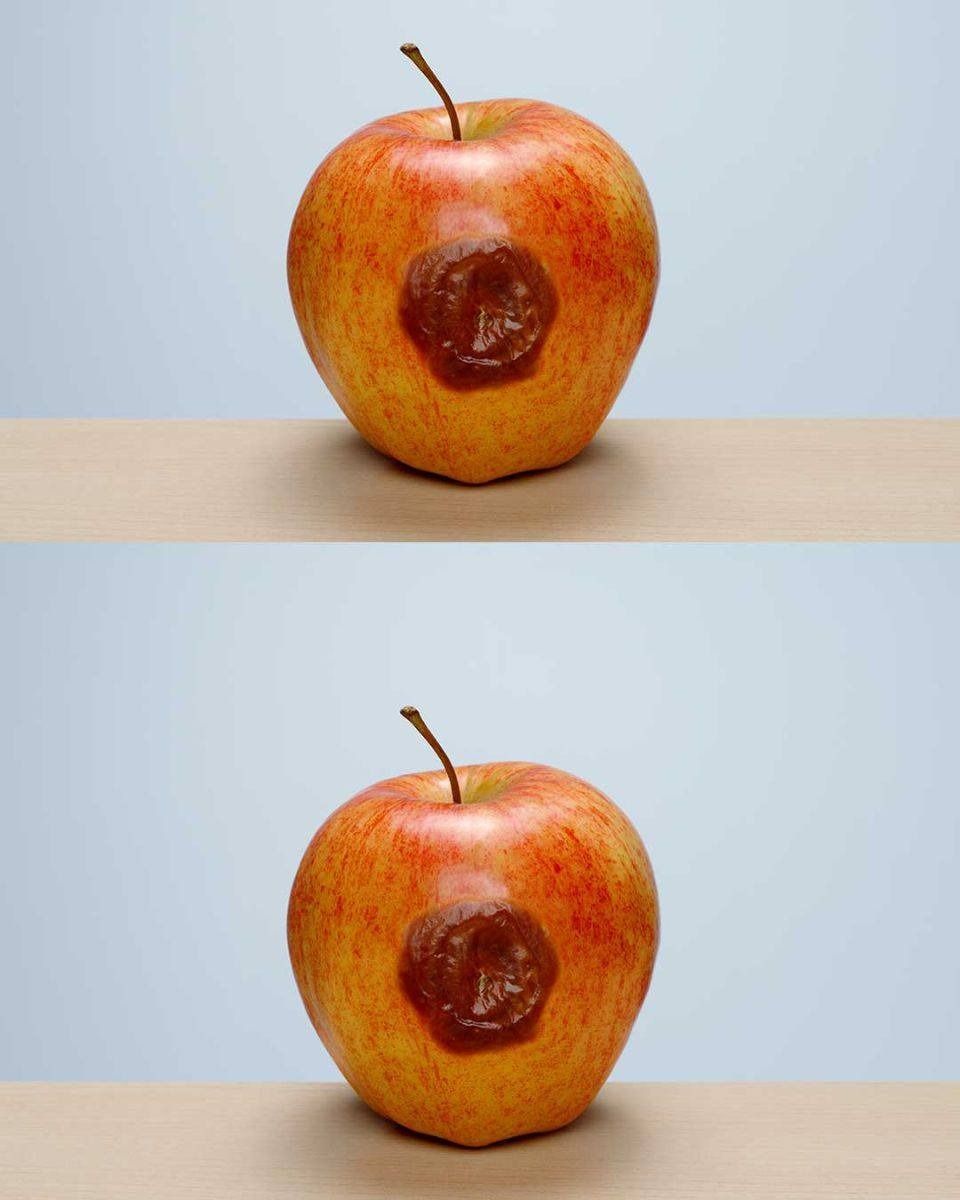
When Bruised Apples Are Still Safe to Eat
A bruised apple is usually safe if all of the following are true:
- The bruise is small and localized
- The flesh is only slightly soft, not mushy
- There’s no sour or fermented smell
- No mold is visible
- The apple still smells fresh
In these cases, cutting away the bruised area (plus about ½ inch around it) is generally enough.
When a Bruised Apple Is NOT Safe
Throw the apple away if you notice:
- Mold (white, blue, gray, or green fuzz)
- Large, deep bruises that feel wet or spongy
- Fermented or alcoholic smell
- Leaking liquid
- Bitter or sour taste
Once mold appears, it can spread invisibly beyond what you see — cutting it away isn’t enough.
Why Some People Are More Cautious Than Others
Older generations often grew up wasting very little food and learned to eat around imperfections. Younger generations may be more aware of foodborne illness risks.
Both perspectives make sense — but safety should always come first.
Who Should Be Extra Careful?
Bruised fruit should be avoided or handled with extra caution by:
- Pregnant individuals
- Young children
- Older adults
- People with weakened immune systems
For these groups, it’s better to err on the side of caution.
A Simple Rule of Thumb
Ask yourself three questions:
- Does it smell normal?
- Is the texture firm after cutting away the bruise?
- Is there any mold present?
If the answer to any is “no” — don’t eat it.
Final Thoughts
Not all bruised fruit is dangerous, but bruising is a warning sign that spoilage can happen faster. A small bruise doesn’t automatically make an apple unsafe — but ignoring clear signs of decay can.
Food safety isn’t about winning an argument at the kitchen counter. It’s about knowing when saving food is smart — and when letting it go is the safer choice.
Sometimes, peace of mind is worth more than finishing the apple 🍎
ADVERTISEMENT
