
ADVERTISEMENT
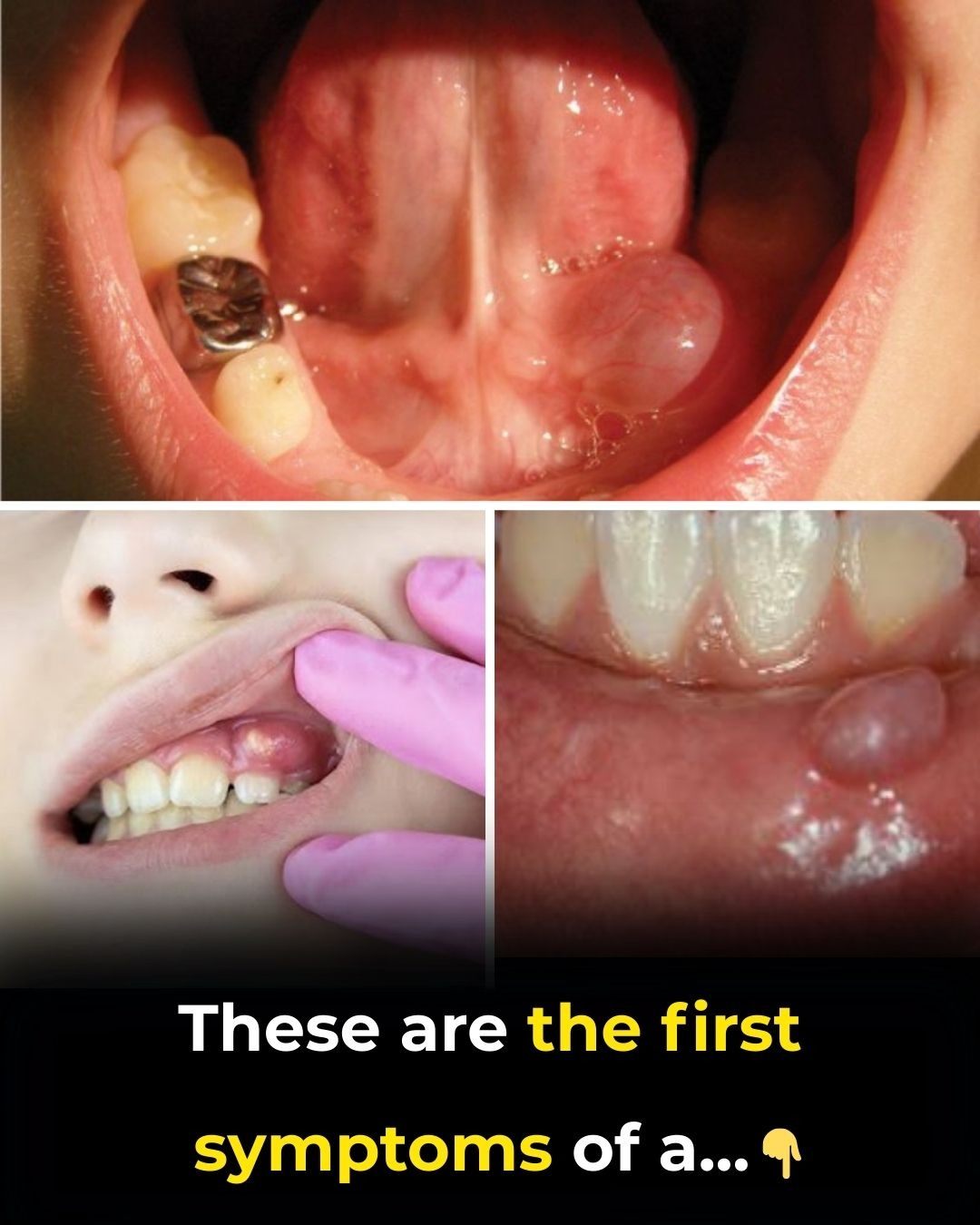
Early Signs to Watch For
- Persistent Sores or Ulcers
A sore that doesn’t heal within two weeks — even if it seems minor — can be a red flag. Oral cancers often start as painless patches or ulcers, so don’t ignore persistent lesions. - White or Red Patches
Unexplained white (leukoplakia) or red (erythroplakia) patches in the mouth, tongue, or gums should be checked. While many are benign, some can develop into cancer over time. - Lumps or Thickened Areas
Any unusual lump, bump, or thickened area inside the mouth, on the tongue, or under the jaw deserves attention. Early tumors may feel firm but painless. - Unexplained Bleeding
Bleeding from the gums or other areas of the mouth that isn’t linked to brushing, flossing, or injury should be evaluated. - Numbness or Tingling
Persistent numbness in the tongue, lips, or mouth may indicate nerve involvement, which can be associated with malignancy. - Difficulty Swallowing or Moving the Jaw
Early tumors can interfere with swallowing, chewing, or speech. Even minor discomfort that persists should not be ignored. - Changes in Dentures or Teeth Fit
A suddenly loose denture or shifting teeth without obvious cause can signal underlying tissue changes.
Protecting Your Oral Health
- Regular Dental Checkups: Dentists can spot abnormal tissue before symptoms appear.
- Self-Examination: Periodically check your mouth for unusual changes.
- Healthy Habits: Avoid tobacco, limit alcohol, maintain good oral hygiene, and protect lips from sun exposure.
- Prompt Medical Attention: If a lesion persists for more than two weeks, see a healthcare professional.
The Bottom Line
Oral cancer can start silently, but early signs often appear as subtle changes in the mouth. Paying attention to these warning signs can save lives.
Your mouth is more than a place for eating and talking — it’s an early warning system. When something seems off, don’t wait. Quick action can make all the difference.
ADVERTISEMENT
Pages: 1 2

