
ADVERTISEMENT
Should You Wash Eggs Before Using Them? Here’s What Experts Say
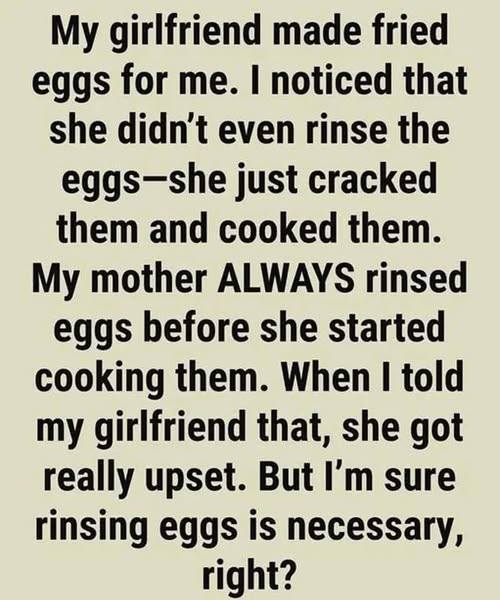
It’s one of the most common kitchen questions—and one that often sparks debate: Should you wash eggs before using them? The answer isn’t as simple as yes or no. It depends on where your eggs come from and how they’ve been handled.
Food safety experts agree that understanding why eggs are treated differently can help you make the safest choice in your own kitchen.
The Natural Protective Coating on Eggs
Fresh eggs are laid with a thin, invisible protective layer called the cuticle or “bloom.” This coating helps seal the shell’s pores and prevents bacteria—like Salmonella—from getting inside.
Washing eggs can remove this natural barrier, which is why experts caution against unnecessary washing, especially before storage.
Store-Bought Eggs: Do NOT Wash Them
In many countries, including the United States, commercial eggs are washed and sanitized before they reach the store. This process removes dirt—but it also removes the cuticle.
Because of this:
- Washing store-bought eggs again can push bacteria into the egg through the shell’s pores
- Extra moisture increases the risk of contamination
Expert advice:
✔️ Do not wash store-bought eggs
✔️ Keep them refrigerated
✔️ Wash your hands after handling them instead
If a store-bought egg looks dirty, it’s best to wipe it gently with a dry paper towel just before use.
Farm-Fresh or Backyard Eggs: It’s Different
Eggs from backyard chickens or local farms often still have their natural cuticle intact—and sometimes a bit of dirt or debris.
Experts recommend:
- Do not wash eggs until right before using them
- If washing is necessary, use warm water (never cold)
- Dry the egg immediately and use it right away
Once a farm-fresh egg is washed, it should be refrigerated and used promptly, as the protective layer is gone.
Why Warm Water Matters
Using warm water causes the egg contents to expand slightly, which helps prevent bacteria from being pulled inside. Cold water can have the opposite effect, increasing contamination risk.
What About Cracked or Dirty Eggs?
- Cracked eggs: Discard them—bacteria can enter easily
- Heavily soiled eggs: Wash just before use or discard if contamination seems severe
When in doubt, it’s safer to throw an egg away than risk foodborne illness.
For Complete Cooking STEPS Please Head On Over To Next Page Or Open button (>) and don’t forget to SHARE with your Facebook friends
ADVERTISEMENT
