
ADVERTISEMENT
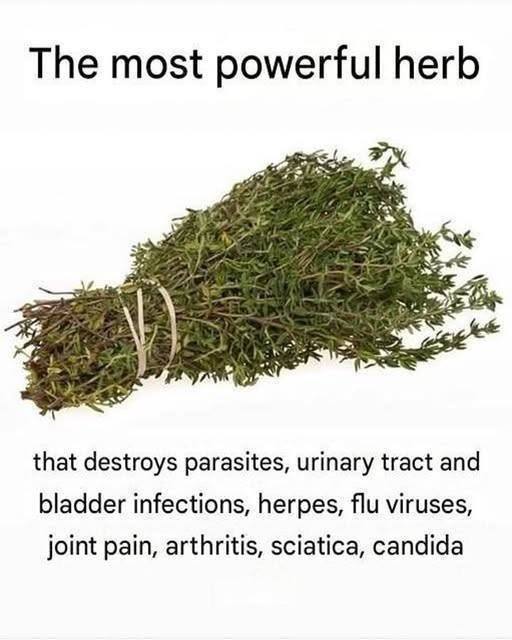
The Most Potent Herb That Destroys Parasites, Urinary Tract & Bladder Infections, Herpes, and Flu Viruses — A Realistic, Evidence‑Based Guide
In the world of natural medicine, bold claims are everywhere: “this one herb cures parasites … eliminates UTIs … wipes out herpes … kills flu viruses!” Headlines like this are eye‑catching — but health isn’t simple, and no single herb is a magical cure‑all for such diverse and serious conditions. What does exist, however, are herbs with antimicrobial, antiviral, antiparasitic, and immune‑supporting properties that science is studying and that many traditional medicines have used for centuries.
This blog post explores:
What herbs have scientifically documented effects
How they work
Their limits and safety concerns
Practical ways to include them in your routine
Let’s dig in.
- The Reality: No Single Herb “Destroys” Everything
Before delving into specific herbs, it’s critical to understand one thing:
No herb — no matter how potent — can reliably “destroy” parasites, cure urinary or bladder infections, eliminate herpes viruses, and kill flu viruses all on its own.
Serious infections often require conventional medical treatments, and relying solely on herbs can delay effective care and cause harm.
Herbs may support immune function, help reduce symptoms, or act as adjunctive therapies — but they are not substitutes for antibiotics, antiparasitic drugs, or antivirals prescribed by a clinician.
- Garlic (Allium sativum): A True Medicinal Powerhouse
Garlic is one of the most widely studied and respected medicinal herbs in both traditional and scientific literature.
Why Garlic Is So Important
Rich in sulfur compounds — especially allicin — which exhibit broad antimicrobial, antiviral, and antiparasitic effects.
Used historically across cultures for infections, immune support, and digestive health.
Garlic vs Parasites
Some studies show garlic’s compounds can disrupt parasite metabolism and inhibit reproduction. For example, it’s been used in traditional protocols against Giardia, worm infestations, and other protozoans — though strong clinical trials in humans are limited.
Garlic and Urinary/Bladder Infections
UTIs are commonly caused by bacteria like E. coli, and garlic has demonstrated antibacterial activity against many pathogens in lab studies.
In vitro, garlic inhibits growth of uropathogenic bacteria.
It may help reduce recurrence risk when combined with other strategies (diet, hydration, medical care).
Garlic for Viral Infections (Herpes & Flu)
Garlic demonstrates antiviral activity in laboratory settings:
Evidence points to inhibition of viral replication mechanisms.
It may help reduce severity or duration of viral symptoms, including influenza, though it does not eradicate viruses from the body.
Practical Ways to Use Garlic
Raw garlic: Chop/crush and let it sit ~10 minutes to activate allicin before eating.
Garlic extract supplements: For those sensitive to raw garlic.
Infusions: Garlic‑infused warm water or teas.
⚠️ Raw garlic can irritate the digestive tract and may interact with blood thinners or medications. Talk to a clinician before high‑dose use.
- Artemisia (Sweet Wormwood & Relatives)
Plants in the Artemisia genus — especially Artemisia annua (sweet wormwood) — are gaining attention for potent compounds like artemisinin.
Artemisinin: What Science Says
Artemisinin is a well‑established antimalarial compound first derived from Artemisia annua.
It kills parasites by generating free radicals that damage parasite proteins — especially in malaria and some helminths.
What Evidence Exists
While Artemisia extracts have strong traditional use, clinical evidence for use against intestinal worms or other parasites is more established in malaria and schistosomiasis contexts than for general parasite infections.
Antibacterial & Antiviral Claims
Some studies suggest related species (Artemisia vulgaris, Artemisia argyi) may have antiviral activity against herpes viruses in lab models.
However, this doesn’t mean these herbs can reliably treat or cure herpes or flu in people.
⚠️ Herbal preparations vary widely; safety and dosing are unpredictable without professional guidance.
- Cranberry & Uva‑ursi: Herbal Helpers for UTIs
When it comes to urinary tract health, several plant remedies have supportive evidence.
Cranberry (Vaccinium macrocarpon)
Contains proanthocyanidins that may prevent bacteria from attaching to the bladder wall.
Best supported for prevention of UTIs, not for curing active infections.
Bearberry (Arctostaphylos uva‑ursi)
Contains arbutin, which has antibacterial effects and diuretic activity.
Some clinical studies suggest reduced UTI recurrence with use.
These herbs may be useful as part of a broader UTI prevention strategy, but they’re not replacements for antibiotic therapy in serious infections.
- Echinacea & Immune Support
Echinacea is famed for immune modulation and upper respiratory infection support.
Some meta‑analyses show modest benefits in reducing the incidence and duration of colds and respiratory infections.
However, Echinacea’s effects against influenza viruses, herpes, or urinary infections are not strongly supported.
- Other Herbs With Noted Antimicrobial Potential
Many plants show laboratory evidence of activity against pathogens. These include:
Licorice Root (Glycyrrhiza glabra)
Contains glycyrrhizin, studied for antiviral properties.
Elderberry (Sambucus nigra)
For Complete Cooking STEPS Please Head On Over To Next Page Or Open button (>) and don’t forget to SHARE with your Facebook friends
ADVERTISEMENT
