
ADVERTISEMENT
How to Make Delicious French Toast: A Classic Breakfast Favorite
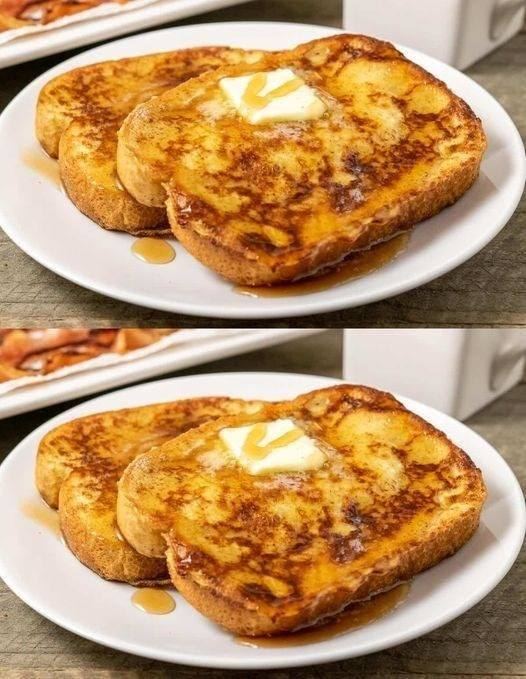
Few breakfasts can rival the sweet, comforting charm of French toast. Crisp on the edges, tender in the middle, and dripping with syrup, this classic dish has graced morning tables around the world for centuries. While it’s easy to whip up a basic version, mastering French toast requires understanding its history, selecting the right ingredients, and applying the perfect technique. In this guide, we’ll dive deep into everything you need to know to make French toast that’s truly exceptional.
A Brief History of French Toast
Before we jump into recipes, it’s worth understanding the origins of this beloved dish. French toast, known in France as pain perdu (literally “lost bread”), was originally a clever way to use stale bread. Rather than waste hard bread, people would soak it in a mixture of milk and eggs, then fry it to create a soft, flavorful breakfast.
Though we call it French toast, its history spans cultures. Ancient Romans were making a similar dish called aliter dulcia, where bread was soaked in milk and eggs and fried. Across Europe, variations emerged—Germany had Arme Ritter, Spain had Torrijas, and Italy had Pane Fritto. By the 17th century, French toast had made its way to North America, where it evolved into the sweet, decadent version we enjoy today.
What makes French toast timeless is its versatility. Whether simple and classic, stuffed with cream cheese and berries, or drizzled with chocolate and caramel, it adapts to any flavor profile while remaining comfortingly familiar.
Choosing the Perfect Ingredients
The key to French toast isn’t just technique—it’s ingredients. Selecting the right bread, dairy, and flavorings ensures your French toast is golden, custardy, and irresistibly delicious.
- Bread
Bread is the foundation. While you can technically use any loaf, some varieties shine more than others:
Brioche: Soft, buttery, and slightly sweet—perfect for rich French toast.
Challah: Similar to brioche but with a subtle egginess that holds up well to soaking.
Sourdough: Offers a tangy contrast to sweet toppings, ideal for those who like a more complex flavor.
French baguette: Best sliced thick for a crisp crust and airy interior.
Whole wheat or multigrain: Offers texture and nutrition, though the flavor is heartier and less sweet.
Tip: Slightly stale bread works best—it absorbs the custard without falling apart.
- Eggs and Dairy
The custard is what transforms bread into French toast. Eggs provide structure, while milk and cream create richness.
Eggs: 2-3 eggs for every 1 cup of milk is a good ratio. More eggs make the custard richer.
Milk: Whole milk works best for creaminess. For extra richness, substitute part of the milk with cream.
Dairy alternatives: Almond milk, oat milk, or coconut milk work for dairy-free versions but slightly change the texture.
- Flavorings
The most classic flavors come from a mix of:
Vanilla extract: Adds warmth and depth.
Cinnamon: Infuses the custard with a cozy aroma.
Nutmeg: Optional, but a pinch adds subtle complexity.
Sugar: Granulated sugar or maple syrup in the custard sweetens lightly without overpowering.
The Perfect French Toast Custard
Creating the custard is simple but requires attention to ratios and mixing.
Basic Custard Recipe (Serves 4)
4 large eggs
1 cup whole milk (or ½ milk, ½ cream for richness)
1 tsp vanilla extract
1 tsp ground cinnamon
1 tbsp sugar
Pinch of salt
Instructions:
In a medium bowl, whisk eggs until smooth.
Add milk, vanilla, cinnamon, sugar, and salt. Whisk until fully combined.
Taste a small spoonful—adjust sugar or spice if needed.
The custard should be balanced, lightly sweet, and fragrant with vanilla and cinnamon.
Dipping and Soaking the Bread
Once your custard is ready, it’s time to coat the bread. Timing matters:
Thickness: Cut bread slices at least ¾–1 inch thick to prevent sogginess.
Dipping: Submerge bread in the custard, ensuring both sides are coated.
Soaking time:
Thin, soft bread: 10–20 seconds per side.
Thicker or dense bread: 30–60 seconds per side.
Avoid over-soaking, or the bread will fall apart in the pan.
Cooking French Toast
French toast is fried, not baked (though baked variations exist). The goal is a golden-brown exterior with a tender interior.
Stove-Top Method
Preheat a nonstick or cast-iron skillet over medium heat.
Add butter (or a combination of butter and oil to prevent burning).
Place soaked bread slices in the pan, leaving space between them.
Cook 2–4 minutes per side until golden brown. Flip gently to avoid breaking.
Tips for perfection:
Keep the heat medium; too hot burns the exterior while leaving the inside undercooked.
Use more butter for a richer, crispier crust.
If cooking multiple batches, keep finished slices warm in a 200°F oven.
Oven-Baked French Toast (Serves 6–8)
Baking French toast is perfect for large groups or make-ahead breakfasts.
Preheat oven to 350°F (175°C).
Grease a baking dish with butter.
Arrange soaked bread slices in a single layer.
Pour remaining custard over the bread, ensuring even coverage.
Bake for 25–30 minutes until golden and slightly puffed.
Optional: Broil the top for 1–2 minutes for extra crispiness.
Creative French Toast Variations
French toast is endlessly adaptable. Here are some popular variations:
- Stuffed French Toast
Spread cream cheese, Nutella, or fruit preserves between two slices of bread.
Dip and cook as usual for a decadent treat.
- Savory French Toast
Skip sugar, add herbs, grated cheese, or cooked bacon bits to the custard.
Serve with eggs, avocado, or smoked salmon for a brunch twist.
- Croissant or Brioche French Toast
Replace bread with croissants or brioche for a buttery, flaky texture.
Cook gently to prevent burning.
- Cinnamon Roll French Toast
Use cinnamon swirl bread, adding extra cinnamon and glaze.
Perfect for a weekend indulgence.
For Complete Cooking STEPS Please Head On Over To Next Page Or Open button (>) and don’t forget to SHARE with your Facebook friends
ADVERTISEMENT
