
ADVERTISEMENT
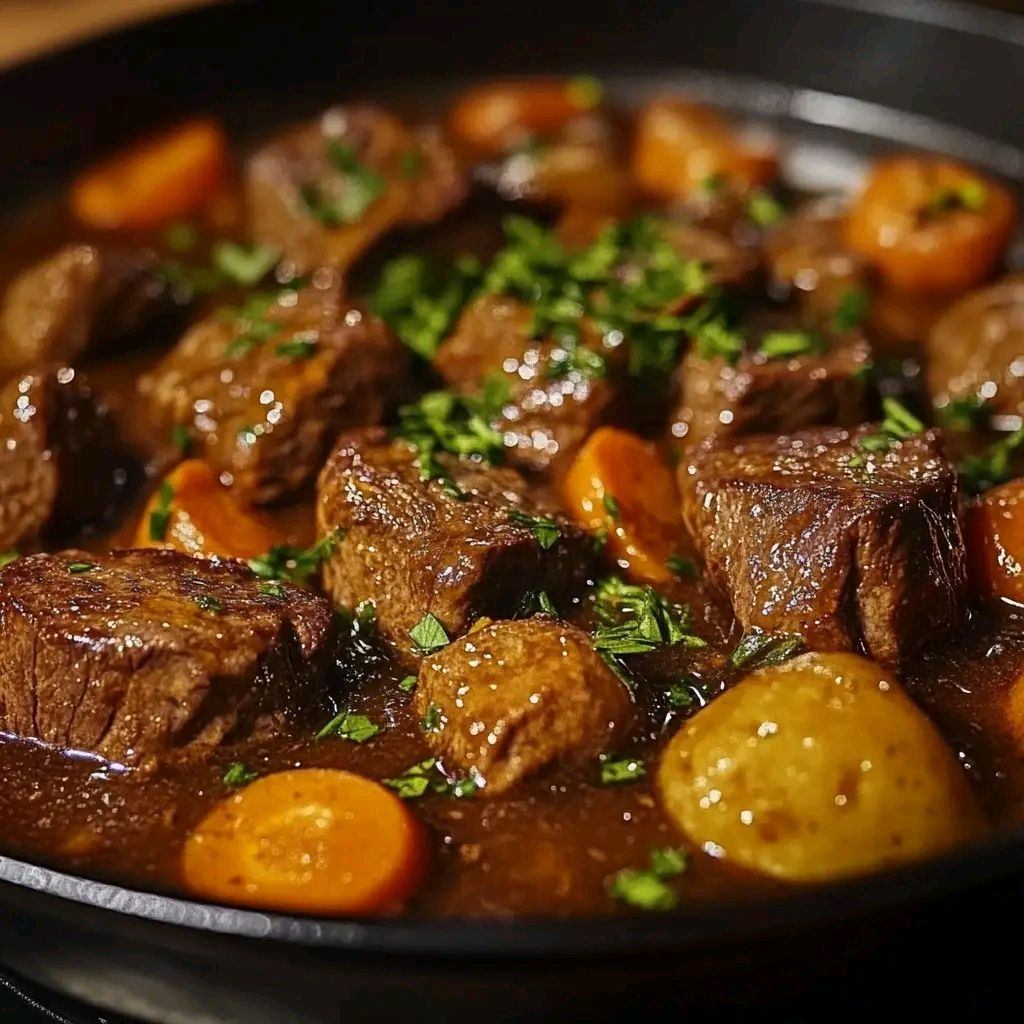
Hearty Beef Stew with Carrots and Potatoes: Comfort in a Bowl
There’s something timeless about a warm, hearty stew. On cold, rainy days, or even when life feels a little hectic, a bowl of stew has the magical ability to soothe the soul. Among all the varieties, beef stew with carrots and potatoes stands out as a classic comfort food, offering a perfect balance of tender meat, flavorful broth, and wholesome vegetables. In this post, we’ll explore not just the recipe itself but also the history, cooking techniques, tips, variations, and the nutritional benefits of this satisfying dish.
The Timeless Appeal of Beef Stew
Beef stew has been a staple of European and North American cuisine for centuries. Historically, it emerged as a practical way to tenderize tougher cuts of meat, which were simmered slowly in liquid until they became succulent. This method allowed families to stretch limited ingredients into a filling, nourishing meal.
The addition of root vegetables, particularly carrots and potatoes, added both flavor and substance. Carrots bring a natural sweetness and earthy flavor, while potatoes offer a comforting starchiness that rounds out the stew. Over time, this combination has become synonymous with warmth, home, and family gatherings.
Ingredients That Make the Difference
While the ingredients for beef stew might seem simple, the quality and preparation of each component can dramatically affect the final dish. Here’s a breakdown of the essential ingredients for Hearty Beef Stew with Carrots and Potatoes:
- Beef: The heart of the stew. Chuck roast is ideal because it becomes tender and flavorful after slow cooking. Avoid lean cuts; marbling is what gives a stew its richness.
- Carrots: Choose firm, sweet carrots. Baby carrots are fine, but larger carrots cut into chunks often hold their shape better during long cooking.
- Potatoes: Russet or Yukon Gold potatoes work best. They absorb flavor and create a creamy texture when cooked.
- Onions and Garlic: Aromatics that create depth and aroma. Sautéing them first releases their natural sugars and adds complexity.
- Broth: Beef broth or stock is crucial for flavor. Homemade is ideal, but store-bought works in a pinch.
- Tomato Paste and Herbs: Tomato paste enhances richness and gives a subtle acidity. Herbs like thyme, rosemary, and bay leaves provide layers of fragrance.
- Seasonings: Salt, black pepper, and optional paprika or Worcestershire sauce enhance the savory profile.
Step-by-Step Cooking Process
1. Preparing the Beef
The first step is cutting the beef into even chunks. This ensures consistent cooking. Pat the pieces dry with paper towels before searing. Drying the beef helps it brown instead of steam, giving the stew a deeper flavor.
2. Searing for Flavor
Heat a heavy-bottomed pot or Dutch oven over medium-high heat with a small amount of oil. Sear the beef chunks in batches to avoid overcrowding. Browning develops complex flavors through the Maillard reaction, which is essential for a rich stew.
3. Building the Base
Once the beef is browned and removed, sauté onions, garlic, and carrot slices until fragrant. Then, stir in tomato paste to deepen the flavor. Deglaze the pot with a splash of red wine or broth, scraping up the browned bits. These bits, called “fond,” are flavor gold for your stew.
4. Slow Cooking
Return the beef to the pot and add broth until the meat is barely submerged. Toss in potatoes, herbs, and seasonings. Cover and simmer on low heat for 2 to 3 hours. Slow cooking breaks down connective tissue in the beef, making it tender and flavorful. Alternatively, use a slow cooker for a hands-off approach.
5. Finishing Touches
Check the seasoning and adjust with salt and pepper. For a slightly thicker stew, mix a small amount of flour or cornstarch with water and stir it in at the end. For extra richness, a knob of butter can be added just before serving.
Cooking Tips and Tricks
- Don’t Rush the Browning: Properly seared beef gives your stew a deep, savory flavor that can’t be replicated by skipping this step.
- Layer Your Flavors: Add ingredients in stages—aromatics first, then tomato paste, then liquids—to maximize depth.
- Cut Vegetables Evenly: This ensures uniform cooking. Carrots and potatoes that are too small will disintegrate during long simmering.
- Taste as You Go: Stew flavors develop over time, but don’t wait until the end to season. Adjust gradually.
- Resting Time: Like any slow-cooked dish, beef stew tastes better the next day. The flavors meld together, creating a richer, more complex taste.
Variations to Try
Beef stew is highly versatile. Here are some ideas to put your personal spin on it:
- Red Wine Beef Stew: Replace part of the broth with red wine for a richer, slightly tangy flavor.
- Spicy Stew: Add a pinch of cayenne pepper, smoked paprika, or chili flakes.
- Vegetable-Packed Stew: Include parsnips, turnips, or celery root for extra depth.
- Beer-Braised Stew: Swap wine for dark beer for a hearty, malty flavor.
- Slow Cooker or Instant Pot: Adapt the recipe to a slow cooker or pressure cooker for convenience without compromising taste.
For Complete Cooking STEPS Please Head On Over To Next Page Or Open button (>) and don’t forget to SHARE with your Facebook friends
ADVERTISEMENT
