
ADVERTISEMENT
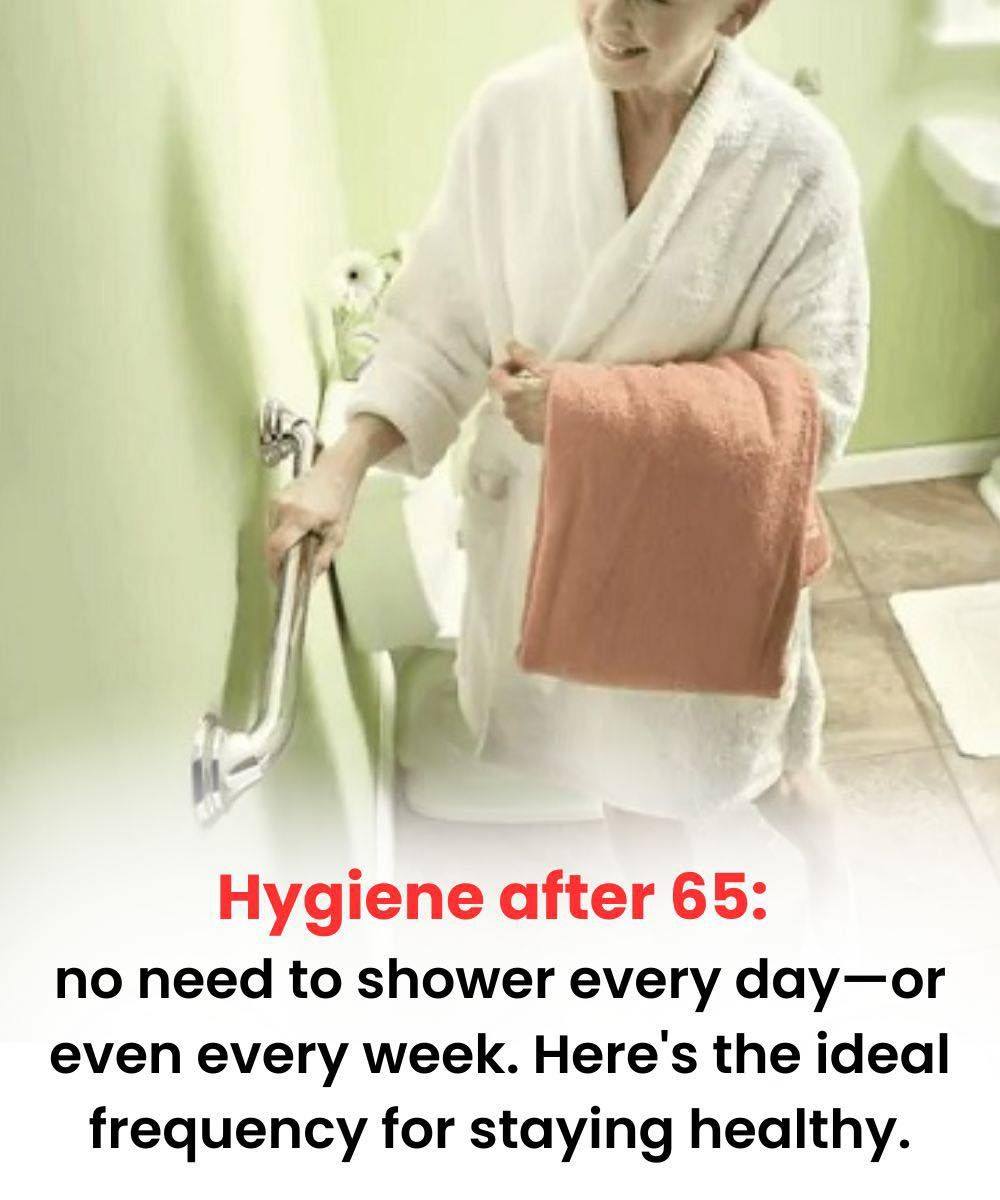
Why Daily Showers After 65 May Do More Harm Than Good
In today’s fast-paced world, hygiene routines are often treated as rigid rules: shower daily, scrub thoroughly, and never skip a beat. For many, a daily shower is non-negotiable. But as we age, our bodies—and our skin—change. And what may have worked for decades can sometimes backfire. Emerging research, dermatological advice, and geriatric care experts are now questioning whether daily showers are truly necessary for older adults. In fact, for people over 65, frequent bathing may do more harm than good.
In this article, we’ll explore the science behind aging skin, the risks of daily showers, the benefits of alternative routines, and practical strategies to maintain cleanliness and health without over-washing.
Understanding Aging Skin
The skin is our body’s largest organ, and it undergoes significant changes with age. To understand why daily showers may be harmful after 65, it’s important to grasp the physiology of aging skin.
- Thinner Epidermis
As we age, the epidermis (outer skin layer) becomes thinner, reducing its natural barrier function. This makes the skin more prone to damage from soaps, scrubbing, and hot water.
- Reduced Sebum Production
Sebum is the skin’s natural oil that keeps it hydrated and protected. After age 50–60, sebum production decreases, which can lead to dryness, flakiness, and irritation. Daily showers, especially with hot water and harsh cleansers, can strip away the remaining natural oils.
- Slower Skin Renewal
Older skin regenerates more slowly. Minor abrasions, cuts, or irritation from frequent washing take longer to heal, increasing the risk of infection.
- Increased Sensitivity
With age, nerve endings in the skin can become more sensitive, meaning that hot water, scrubbing, and strong soaps can cause itching, burning, or rashes.
The Risks of Daily Showers After 65
While bathing is important for hygiene, daily showers for older adults can introduce several risks:
- Dry Skin and Eczema
Frequent washing strips natural oils, leading to dry, itchy skin. In some cases, this can trigger eczema or dermatitis, causing discomfort and even secondary infections if the skin cracks.
- Disruption of the Skin Microbiome
The skin hosts beneficial bacteria that protect against harmful pathogens. Daily showers with antibacterial soaps can disrupt this microbiome, making older adults more susceptible to infections.
- Increased Risk of Falls
Bathrooms are common sites of falls for seniors. Every additional shower adds another opportunity for slipping on wet surfaces. According to the CDC, falls are the leading cause of injury among adults 65+, making it important to limit unnecessary risk.
- Heat Sensitivity and Blood Pressure Fluctuations
Hot showers can cause temporary drops in blood pressure, which may lead to dizziness or fainting, especially in seniors with cardiovascular issues.
- Irritation from Soap and Cleansers
Harsh soaps, body washes, and scrubbing tools can aggravate sensitive or thinning skin, leading to painful micro-tears, inflammation, or infection.
The Science Behind Skin-Friendly Bathing Practices
Dermatologists and geriatric care experts increasingly recommend modifying bathing routines for older adults. Here’s what the science suggests:
- Less Frequent Showers Are Acceptable
For most seniors, showering 2–3 times per week is sufficient to maintain hygiene, provided that high-contact areas (armpits, groin, feet, and face) are cleaned regularly. Daily full-body showers are often unnecessary.
- Focus on Key Areas
“Spot cleaning” or partial bathing can keep seniors clean without excessive washing:
Use a wet washcloth or sponge to clean the armpits, groin, and hands daily.
Wipe the face gently with a damp cloth each morning or evening.
Wash feet daily to prevent fungal infections, especially if they wear closed shoes.
- Choose Gentle Cleansers
Avoid antibacterial soaps unless specifically needed.
Use pH-balanced, fragrance-free, moisturizing cleansers to minimize irritation.
- Limit Hot Water Exposure
Use lukewarm water instead of hot showers to prevent drying.
Keep shower time under 10 minutes to preserve natural oils.
- Moisturize Immediately After Bathing
Apply a rich, fragrance-free moisturizer while skin is still slightly damp to lock in hydration.
Focus on hands, arms, legs, and other areas prone to dryness.
When Daily Showers May Still Be Necessary
While reduced frequency is generally recommended, there are exceptions. Daily showers may be needed for seniors who:
Engage in heavy physical activity or sweat excessively.
Have incontinence issues, requiring daily cleaning to prevent irritation and infection.
Work in environments where skin contact with dirt, allergens, or pathogens is frequent.
In these cases, modifying the shower routine—shorter duration, lukewarm water, and gentle cleansers—is more important than eliminating showers entirely.
Common Myths About Senior Hygiene
Several misconceptions contribute to the pressure to shower daily:
Myth 1: Daily Showers Prevent All Infections
While cleanliness is important, over-washing can actually weaken skin defenses and make older adults more vulnerable to bacterial or fungal infections.
Myth 2: Older Adults Smell Bad if They Skip a Shower
Proper cleaning of high-contact areas—armpits, groin, and feet—can prevent odors. Full-body showers every day are often unnecessary.
Myth 3: Daily Showers Are Mandatory for Social Acceptability
Most people won’t notice a slight reduction in shower frequency as long as visible dirt, odor, and hair cleanliness are maintained.
Myth 4: Moisturizing Can’t Replace Daily Washing
In fact, moisturizing after reduced showering preserves the skin barrier better than daily washing, preventing dryness, cracking, and irritation.
Practical Tips for Skin-Friendly Hygiene After 65
Here’s a structured routine to maintain hygiene without harming the skin:
Daily Maintenance
Wash face, underarms, groin, and hands with a gentle, damp cloth.
Clean feet thoroughly and dry between toes.
Apply light moisturizer on hands and face if needed.
Showering 2–3 Times a Week
Full-body showers on non-consecutive days.
Use lukewarm water and minimal soap.
Limit to 5–10 minutes.
Pat skin dry with a soft towel rather than rubbing.
Moisturizing Routine
Apply a rich, fragrance-free moisturizer immediately after showers.
Reapply to hands and dry spots as needed throughout the day.
Bath Additives
Avoid bubble baths with fragrances or strong detergents.
Oatmeal baths or gentle bath oils can soothe dry, itchy skin.
Special Considerations for Seniors with Medical Conditions
Certain medical conditions require modified bathing practices:
- Diabetes
Increased risk of foot infections. Daily cleaning of feet is essential, but avoid soaking for long periods.
Inspect feet for cuts, blisters, or redness daily.
- Eczema or Psoriasis
Daily showers can worsen flare-ups. Short, lukewarm showers with gentle cleansers and moisturizers are recommended.
- Cardiovascular Issues
Hot showers can cause sudden drops in blood pressure. Lukewarm water and shorter showers reduce dizziness risk.
- Limited Mobility
For seniors using walkers or wheelchairs, showers can be risky. Sponge baths or assisted bathing may be safer than daily full showers.
Psychological and Social Benefits of Modified Showering
Reduced shower frequency doesn’t mean neglecting personal hygiene. In fact, proper skin-friendly hygiene practices can:
Reduce Stress: Shorter, less frequent showers are less physically demanding and safer for seniors.
Improve Comfort: Moisturized skin is less itchy and painful, improving quality of life.
Encourage Consistency: Simple, manageable routines are easier to maintain long-term.
Expert Recommendations
According to dermatologists and geriatric care specialists:
Dr. Janet Lang, a dermatologist specializing in aging skin, says:
“Older adults often overestimate the need for daily showers. The skin’s natural oils are protective, and preserving them reduces dryness and irritation.”
The American Academy of Dermatology recommends:
“For seniors, a sponge bath or partial wash on non-shower days is sufficient for hygiene, provided high-contact areas are cleaned daily.”
Occupational therapists in geriatric care emphasize fall prevention, noting that fewer showers reduce exposure to slippery bathroom surfaces.
For Complete Cooking STEPS Please Head On Over To Next Page Or Open button (>) and don’t forget to SHARE with your Facebook friends
ADVERTISEMENT
