
ADVERTISEMENT
How to Reuse Old Dishes: The Original Idea
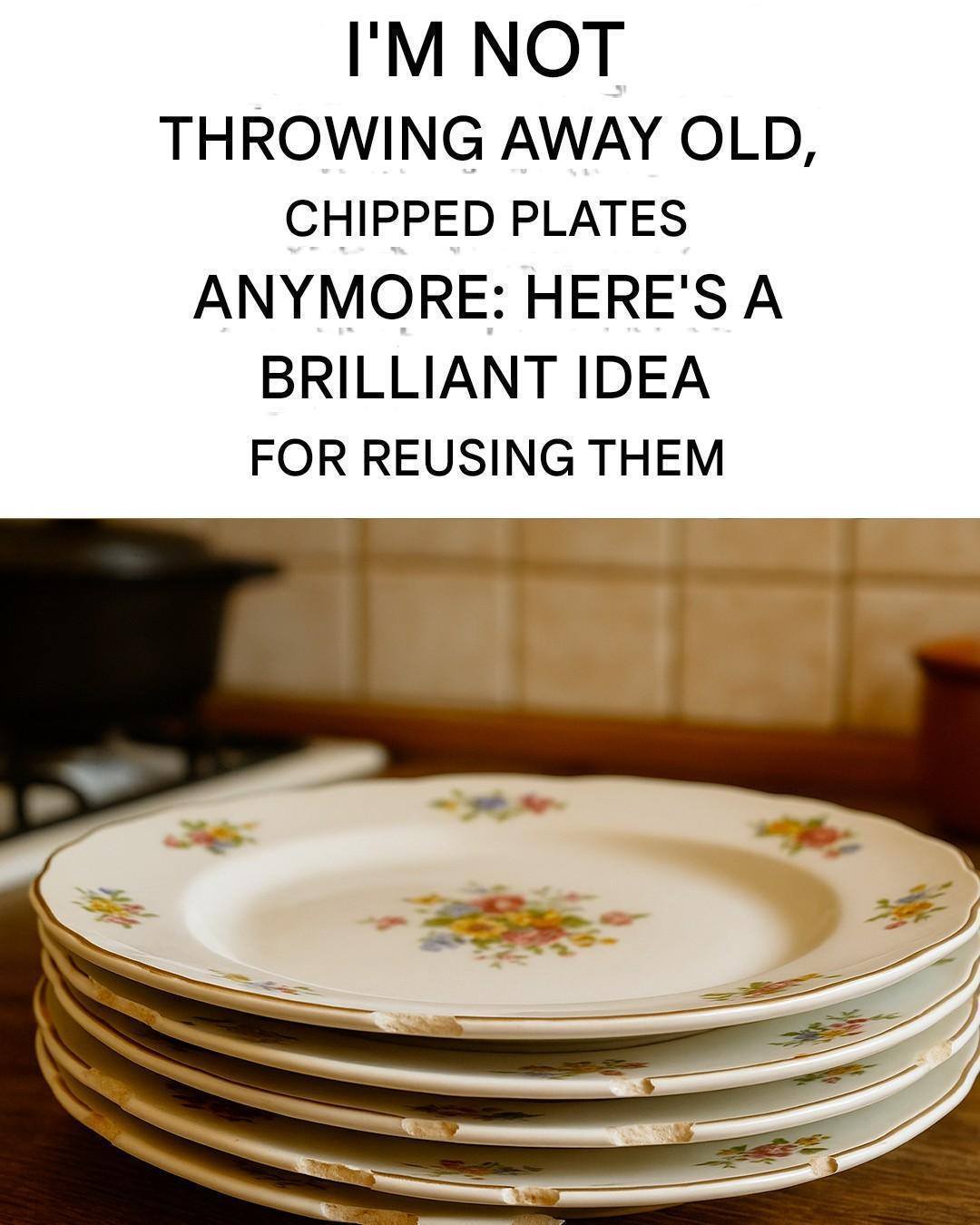
Old dishes, mismatched plates, and forgotten cups often end up buried in kitchen cabinets or, worse, in the trash. But before you consider tossing them, pause and think: these dishes can have a second life. Reusing old dishes is not only environmentally responsible but also a creative way to decorate your home, organize spaces, and even craft personalized gifts.
In this guide, we explore the original idea behind reusing old dishes, offering practical advice, inventive projects, and inspiration for turning forgotten kitchenware into something beautiful and functional.
Why Reuse Old Dishes?
Reusing old dishes is about more than avoiding waste. There are several compelling reasons to give your old plates, bowls, and mugs a new purpose:
- Environmental Impact
Every year, millions of tons of kitchenware end up in landfills. Many dishes are made of ceramic, porcelain, or glass, which can take centuries to decompose. By reusing them, you reduce landfill waste, conserve resources, and help lower the environmental footprint of manufacturing new products.
- Economic Benefits
Rather than buying new home décor or storage solutions, repurposing old dishes allows you to create functional items without spending money. Even small changes—like using a chipped mug as a planter—can save you from unnecessary purchases.
- Creative Expression
Old dishes can serve as a blank canvas for artistic projects. Whether you’re painting, mosaicking, or assembling planters, repurposing dishes taps into your creativity and provides a sense of accomplishment.
- Preserving Sentimental Value
Many dishes carry memories: your grandmother’s teacup, a wedding china set, or plates from childhood holidays. Reusing these items allows you to keep the sentimental connection alive, rather than letting them gather dust or disappear.
The Original Idea: Seeing Potential in Forgotten Dishes
The concept of reusing dishes is older than most people realize. Historically, before mass production and disposable culture, households often repaired, reused, and repurposed their dishes. Broken or chipped plates were common, and throwing them away was rare.
In ancient households, broken pottery was sometimes melted down or repurposed for gardening or construction.
In Victorian England, mismatched dishes were creatively used as wall mosaics or garden decoration.
In mid-20th century America, leftover or chipped plates were often painted and given new life as serving trays or trivets.
The “original idea” behind reusing dishes is simple: don’t discard something with potential; transform it into something new, useful, or beautiful.
Practical Ways to Reuse Old Dishes
Here are some practical, actionable ways to give old dishes a new life:
- Decorative Wall Art
Chipped or mismatched plates can be mounted on a wall to create a visually striking display.
Mosaic Arrangements: Break old dishes into pieces and create a mosaic tabletop, backsplash, or decorative wall panel.
Cluster Displays: Hang whole plates in clusters for a rustic, eclectic look. Use adhesive plate hangers or nails.
Theme Walls: Combine plates with painted patterns, gold accents, or family heirlooms to tell a story.
- Planters and Gardens
Old dishes are perfect for small-scale gardening projects:
Shallow Planters: Use bowls or shallow plates for succulents or cacti.
Tiered Garden Trays: Stack dishes of varying sizes to create vertical plant arrangements.
Bird Feeders: Attach a plate to a sturdy base and fill with seeds to attract birds to your yard.
- Kitchen Organization
Old dishes can help declutter and organize your kitchen or workspace:
Jewelry Holder: Small plates or saucers are perfect for holding rings, earrings, or necklaces.
Soap Dishes: Use old saucers or small bowls as soap holders in bathrooms or kitchens.
Drawer Organizers: Stack bowls or shallow plates to separate utensils or office supplies.
- Tabletop Accessories
Repurposed dishes can be transformed into functional tabletop items:
Trivets: Place hot pots or pans on old plates to protect surfaces. Add cork or felt backing for insulation.
Candle Holders: Fill shallow plates with sand or stones and place candles on top.
Serving Dishes: Even chipped dishes can serve as unique serving pieces for fruits, nuts, or appetizers.
- Artistic Projects
For DIY enthusiasts, old dishes provide endless creative possibilities:
Mosaic Art: Crush plates into pieces and create mosaics on frames, mirrors, or furniture.
Painted Dishes: Transform plain dishes with porcelain paints or decoupage.
Jewelry and Trinkets: Small shards can be turned into earrings, pendants, or magnets.
- Seasonal Decorations
Dishes can become seasonal décor:
Holiday Centerpieces: Stack bowls or plates with candles, ornaments, or pinecones.
Outdoor Décor: Use broken plate pieces in garden paths or flower bed borders.
Themed Displays: Paint plates for Halloween, Easter, or other seasonal events.
Step-by-Step Guide to Reusing Dishes Safely
Before diving into projects, it’s important to ensure safety, especially when cutting or breaking ceramic or glass:
Materials Needed:
Old dishes (ceramic, porcelain, or glass)
Safety gloves and goggles
Hammer or tile cutter
Adhesive (for wall mounting or mosaics)
Paints or sealants (optional)
Steps for Creative Reuse:
Inspect Dishes: Check for cracks, chips, and usability. Avoid items with sharp, dangerous edges unless you plan to break them safely.
Clean Thoroughly: Wash dishes with warm, soapy water to remove dust, grease, or residue.
Decide on the Project: Whether it’s a planter, mosaic, or trivet, plan your layout before starting.
Break if Necessary: For mosaics or smaller art projects, carefully break dishes using a hammer or tile cutter while wearing protective gear.
Smooth Edges: Sand rough edges to prevent cuts, or apply glue to hold pieces safely in place.
Assemble and Decorate: Use adhesive, paint, or sealants as needed to complete your project.
Repurposing Dishes in History and Culture
Reusing dishes is not just a modern DIY trend; it’s deeply rooted in cultural and historical practices:
Japanese Kintsugi: This art form repairs broken ceramics with gold or silver, highlighting the cracks rather than hiding them. The philosophy celebrates imperfection and transformation.
Mexican Talavera Tiles: Broken plates and ceramics are often integrated into colorful, hand-crafted tiles used in home decoration and public art.
European Cottage Gardens: Old porcelain plates are frequently used as edging, planters, or bird baths in rustic gardens.
These traditions reflect a universal principle: value is found in reimagining what is old rather than discarding it.
Sustainability Benefits
Reusing old dishes contributes to a sustainable lifestyle in several ways:
Waste Reduction: Extends the life of materials that would otherwise go to landfills.
Resource Conservation: Reduces demand for new ceramic or glass production, which consumes energy and raw materials.
Eco-Friendly DIY: Encourages creativity without requiring new resources, reducing carbon footprints.
In a world increasingly aware of environmental impact, reusing old dishes aligns with responsible consumption practices.
Inspiring DIY Projects with Old Dishes
Here are a few projects to spark creativity:
- Mosaic Tabletop
Transform a worn coffee table into a statement piece using broken plates. Arrange colorful shards in a geometric pattern, glue them to the surface, and seal with grout.
- Succulent Garden
Stack mismatched bowls of varying sizes to create a tiered succulent garden. Use gravel and soil for drainage, and let each bowl house a unique plant species.
- Jewelry Dish
Paint a small plate with decorative patterns, seal it, and use it as a ring or earring holder. This is especially meaningful if the plate has sentimental value.
- Decorative Wall Clock
Mount a plate as the clock face, drill a hole for clock hands, and attach the mechanism. This is perfect for plates with intricate designs or vintage patterns.
- Holiday Candle Centerpiece
Stack bowls or plates, fill with ornaments, pinecones, or sand, and place candles on top. This project is versatile for any season.
Tips for Success
Mix and Match: Don’t be afraid to combine different patterns or sizes; eclectic designs add charm.
Mind the Edges: Smooth or seal any sharp edges to ensure safety.
Use Sealants for Outdoor Projects: Protect plates from weather if used in gardens or patios.
Document Your Work: Take photos of DIY projects to inspire others or create a tutorial series.
Start Small: Begin with minor projects like jewelry dishes or trivets before tackling large mosaics.
Stories of Reimagined Dishes
Across the world, people have given old dishes a new lease on life:
A grandmother turned chipped teacups into a whimsical garden chandelier by hanging them with ropes and adding small plants.
A local café repurposed broken plates into mosaics for its walls, creating an Instagram-worthy interior that tells a story of sustainability.
Artists used vintage china to craft jewelry, turning sentimental items into wearable memories.
These examples show that old dishes are more than kitchenware—they are mediums for creativity, storytelling, and memory preservation.
Encouraging a Reuse Mindset
For Complete Cooking STEPS Please Head On Over To Next Page Or Open button (>) and don’t forget to SHARE with your Facebook friends
ADVERTISEMENT
