
ADVERTISEMENT
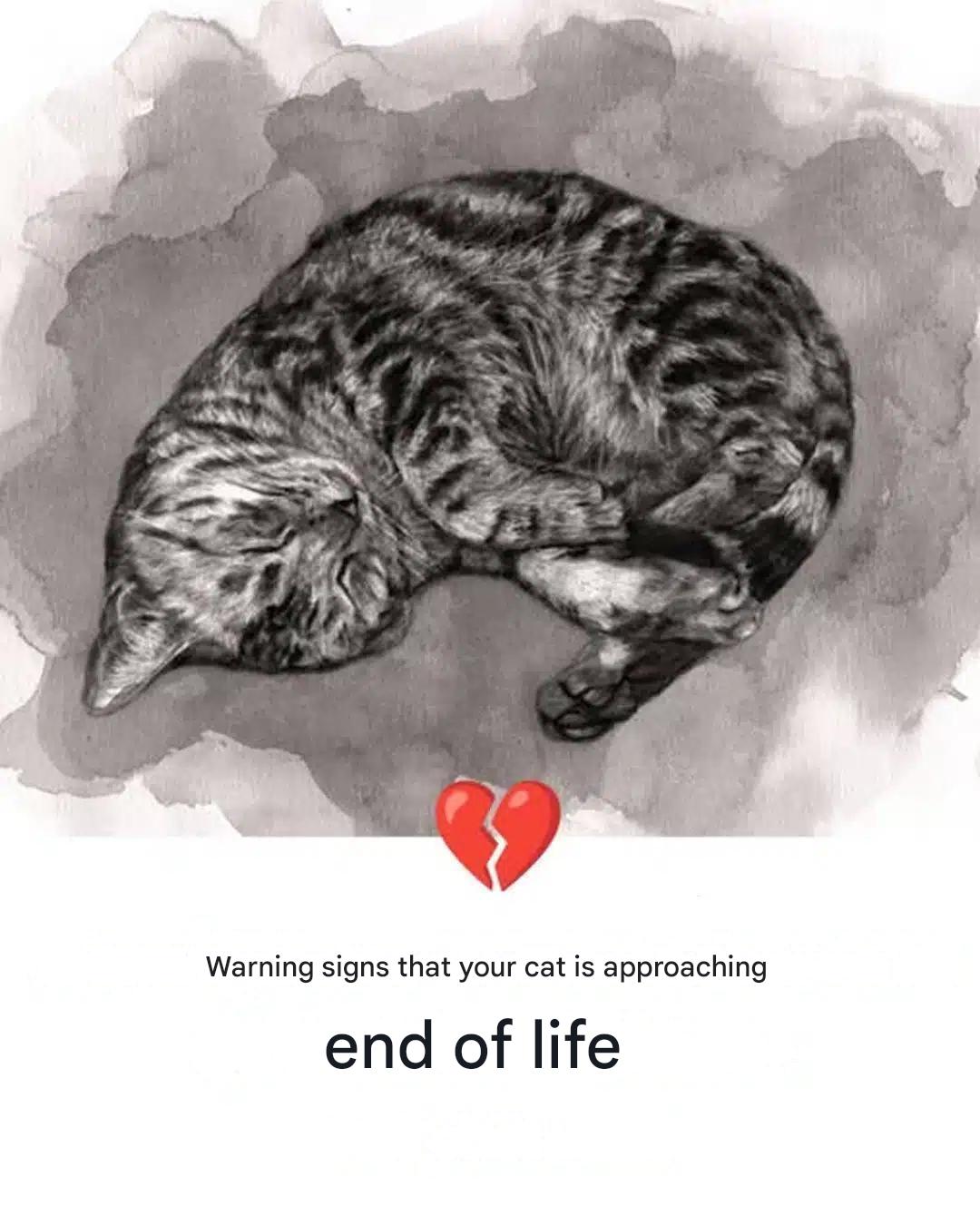
11 Signs Your Cat Is Dying: How to Recognize the Final Stages and Provide Comfort
Cats are masters of hiding pain and illness. As a result, many pet owners may not realize the severity of a cat’s condition until it’s very advanced. Understanding the signs that your cat may be nearing the end of life is essential for providing them with dignity, comfort, and compassion in their final days.
In this post, we’ll explore 11 signs your cat may be dying, what they mean, and how you can best support your feline companion during this sensitive time.
Understanding the Aging and Dying Process in Cats
Cats age differently from humans, and their bodies respond to illness and decline in unique ways. While some cats may show gradual signs of aging, others can experience sudden health declines.
Recognizing the difference between normal aging and the dying process is crucial:
Normal aging might include slower movements, graying fur, or minor dental issues.
End-of-life decline often involves loss of appetite, extreme lethargy, weight loss, and changes in behavior or bodily functions.
It’s also important to note that not every cat will exhibit all signs. Some may show subtle changes, while others display more pronounced symptoms. Paying attention to behavioral shifts and physical changes is key.
- Extreme Lethargy and Weakness
One of the most noticeable signs that a cat may be dying is a significant drop in energy. Cats naturally sleep 12–16 hours a day, but a dying cat will often:
Spend almost all their time lying down
Struggle to move even short distances
Refuse to play, jump, or interact
This lethargy occurs because the body is slowing down as organ function declines. Weak muscles and reduced mobility are common in cats nearing the end of life.
What to do:
Provide a comfortable, quiet space near you or their favorite spot.
Avoid forcing activity; instead, let them rest as much as needed.
- Loss of Appetite and Refusal to Eat
A dying cat often loses interest in food, sometimes even in their favorite treats. Reasons for appetite loss can include:
Organ failure (liver, kidneys, or gastrointestinal issues)
Pain or discomfort
Fatigue or loss of sense of smell
Even cats with normally healthy appetites may refuse food during their final days. This is often a natural part of the dying process.
What to do:
Offer soft, easy-to-digest foods.
Provide small portions frequently, rather than forcing meals.
Never force-feed aggressively, as this can cause stress.
- Significant Weight Loss and Muscle Wasting
As cats approach the end of life, their bodies often lose fat and muscle mass. Signs include:
Prominent backbone or hip bones
Sunken eyes
Loss of muscle tone in the legs and shoulders
This wasting occurs because the body is breaking down tissue for energy when appetite and nutrient absorption decrease.
What to do:
Monitor weight changes carefully.
Consult your veterinarian for guidance if weight loss is sudden or severe.
- Changes in Breathing
Respiratory changes can indicate distress or organ failure in cats. Signs to watch for include:
Rapid or shallow breathing
Labored breathing, with noticeable effort
Irregular breathing patterns
Periods of apnea (brief pauses)
Cats are adept at hiding discomfort, so any noticeable change in breathing warrants attention.
What to do:
Keep your cat calm and in a quiet environment.
Avoid stress, as it can exacerbate respiratory issues.
Contact your vet if you notice severe labored breathing, as this may require immediate care.
- Withdrawal and Hiding
A dying cat may begin isolating themselves from humans, other pets, or favorite spaces. They may:
Hide under furniture or in corners
Avoid being touched or held
Seek solitude more than usual
Withdrawal is a natural instinct in cats, as they often distance themselves when feeling weak or vulnerable.
What to do:
Respect their need for privacy while providing easy access to food, water, and litter boxes.
Offer gentle companionship without forcing interaction.
- Incontinence and Loss of Grooming
Cats are typically fastidious groomers. A dying cat may:
Stop cleaning themselves
Have matted or dirty fur
Urinate or defecate outside the litter box
These changes often result from muscle weakness, fatigue, or organ failure, making self-care difficult.
What to do:
Gently clean them if needed, using soft cloths or wipes.
Keep bedding clean and dry to prevent skin irritation or infection.
- Behavioral Changes
Even subtle behavioral shifts can signal that a cat’s health is declining:
Increased irritability or vocalization
Confusion or disorientation
Seeking constant attention or appearing unusually clingy
These changes often result from pain, cognitive decline, or anxiety, and can be particularly distressing for owners.
What to do:
Remain calm and patient.
Offer reassurance through gentle voice or petting if your cat is receptive.
Avoid overwhelming them with attention if they prefer solitude.
- Unusual Vocalizations
Many cats become more vocal as they approach the end of life, often in soft, plaintive meows or yowls. Causes include:
Pain or discomfort
Anxiety or fear
Seeking attention or reassurance
Understanding the context and frequency of vocalization can help you gauge your cat’s emotional state.
What to do:
Comfort them with a soft, calm presence.
Speak in soothing tones and avoid sudden loud noises.
Consult a veterinarian if vocalizations indicate pain that may be managed with medication.
- Decreased Interaction with the Environment
A cat nearing the end of life often loses interest in their surroundings. Signs include:
Ignoring toys or playtime
No longer climbing or exploring
Reduced curiosity
This lack of engagement is part of the body’s natural slowdown as energy levels decline.
What to do:
Provide a safe, quiet environment.
Ensure easy access to food, water, and litter boxes without requiring movement across long distances.
- Physical Signs of Deterioration
Other visible physical signs may indicate that a cat is approaching death:
Sunken or dull eyes
Pale or bluish gums
Cold extremities (ears, paws, or tail)
Labored movement or unsteady gait
These signs often indicate organ failure or poor circulation, which commonly occurs in the final stages.
What to do:
Keep your cat warm and comfortable.
Avoid moving them unnecessarily, as this can cause stress.
Contact a veterinarian for guidance on palliative care options.
- Terminal Restlessness or Collapse
In the last hours or days, cats may exhibit:
Restlessness, pacing, or repeated shifting positions
Periods of unresponsiveness
Collapse or inability to stand
Terminal restlessness is often accompanied by shallow breathing and decreased responsiveness. It’s a sign that the body is shutting down.
What to do:
Maintain a calm, quiet, and safe environment.
Provide comfort through gentle touch if your cat is receptive.
Consider palliative care measures recommended by a veterinarian, including pain management and hydration support.
Providing Comfort in the Final Days
When you recognize these signs, the focus should shift from prolonging life at all costs to maximizing comfort and dignity. Here are some ways to care for a dying cat:
Create a Comfortable Space
Soft bedding in a quiet area
Easy access to food, water, and litter boxes
Minimal disturbances from other pets or children
Pain Management
Consult a veterinarian for pain relief medications.
Natural remedies may provide minor comfort but should be used only under professional guidance.
Emotional Support
Gentle petting or quiet presence can offer reassurance
Respect their need for privacy if they seek it
Speak softly and avoid loud or sudden noises
End-of-Life Planning
Discuss with your veterinarian the option of hospice or euthanasia if suffering becomes severe
Make decisions based on quality of life, not just prolonging life
For Complete Cooking STEPS Please Head On Over To Next Page Or Open button (>) and don’t forget to SHARE with your Facebook friends
ADVERTISEMENT
