
ADVERTISEMENT
When Borders Turn Back: How New Travel Restrictions in Mali and Burkina Faso Are Affecting U.S. Citizens
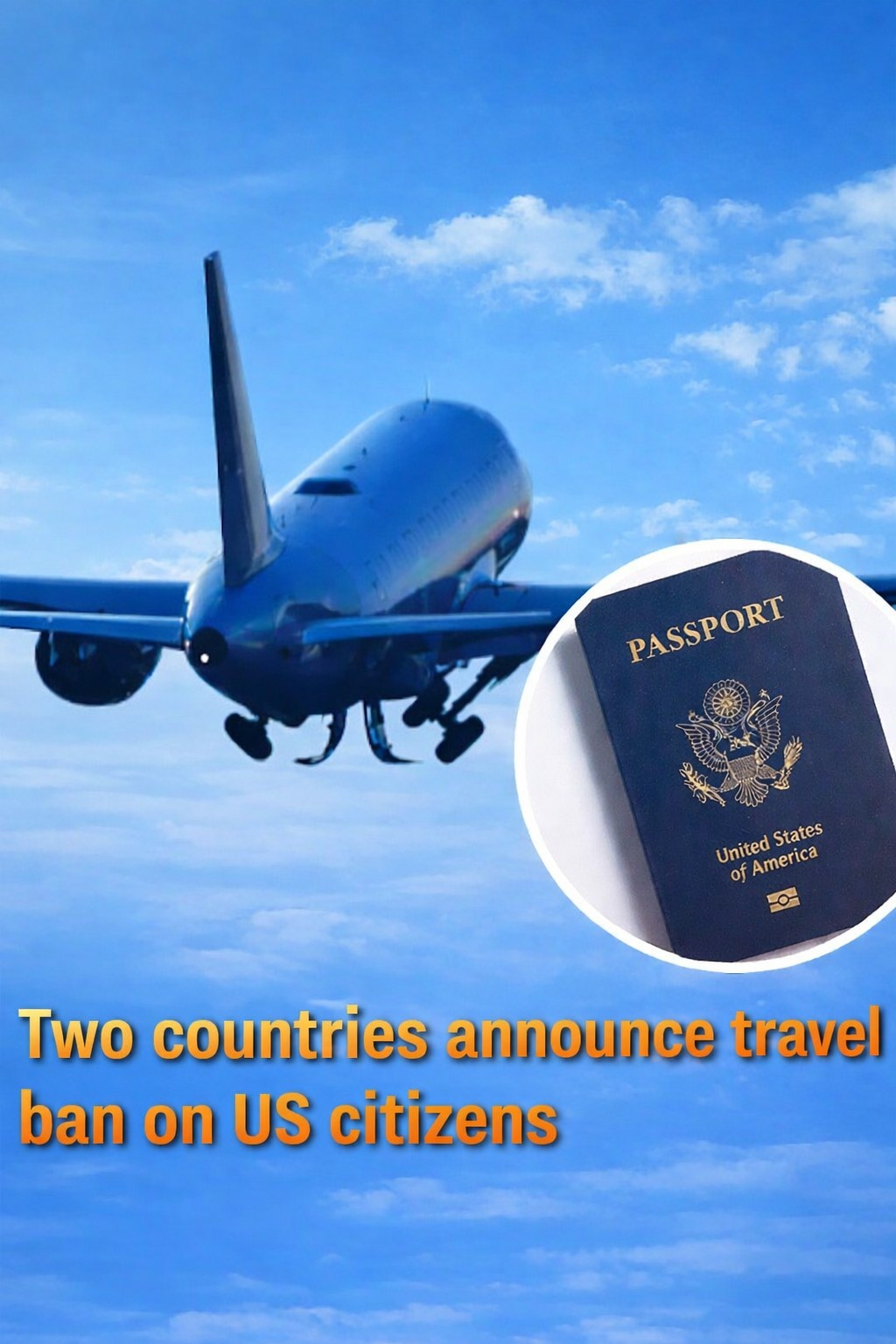
In the early days of 2026, an unexpected chapter in global travel and diplomacy unfolded: two West African nations — Mali and Burkina Faso — announced travel bans on U.S. citizens. These restrictions weren’t arbitrary or isolated events. Instead, they came as reciprocal measures in response to recently expanded U.S. travel restrictions targeting multiple foreign nationals. What might sound like a niche issue — visa policies and entry bans — is in reality reshaping travel plans, diplomatic relationships, and the experience of Americans abroad.
This post explores:
What policies triggered these travel bans
Why Mali and Burkina Faso responded the way they did
What these new restrictions mean for U.S. travelers
Broader implications for international relations and travel norms
The Spark: Expanded U.S. Travel Restrictions
To understand why Mali and Burkina Faso now restrict travel by U.S. citizens, we must start with a significant change in U.S. policy.
On December 16, 2025, the White House issued a Presidential Proclamation titled Restricting and Limiting the Entry of Foreign Nationals to Protect the Security of the United States. This proclamation, effective January 1, 2026, expanded and revised existing travel restrictions, significantly affecting nationals of a growing list of countries. The policy continued pre-existing bans and added several new nations to the list.
Under this proclamation:
Full entry and visa issuance were suspended for citizens of many countries due to concerns about insufficient vetting, high visa overstay rates, or security-related issues. These countries included traditional ones like Afghanistan and Iran as well as Burkina Faso, Mali, and Niger, among others.
Additional partial restrictions applied to a wide range of other nations, impacting visitor, student, and temporary work visas.
The expanded restrictions now cover dozens of countries worldwide, with varying degrees of travel limitations. For certain nations, entry into the United States for tourism, study, or work has been completely barred unless the traveler holds an existing valid visa.
While the U.S. framed these measures as necessary for national security — citing deficient screening, poor cooperation on vetting, or inability to share information — the policy has also been widely criticized as overly broad and punitive.
A Diplomatic Tit-for-Tat: Mali and Burkina Faso Respond
In the world of international diplomacy, the principle of reciprocity is foundational. If one country imposes strict limitations on another’s citizens, the affected nation often responds in kind. That’s exactly what happened.
Mali’s Move
Shortly after the U.S. expanded its travel bans to include Malian nationals among those prohibited from entering the United States, Mali announced a ban on U.S. citizens entering the country at the end of December 2025. The government said it was acting out of reciprocity — extending to Americans the same restrictions that U.S. policy now places on Mali’s citizens.
This wasn’t the first sign of a reciprocal response. Earlier in October 2025, Mali introduced a visa bond requirement for U.S. visitors — a policy that required Americans to post potentially large sums (up to tens of thousands of dollars) simply to apply for a visa, mirroring a controversial U.S. visa bond pilot program aimed at reducing overstays.
Burkina Faso’s Ban
Like Mali, Burkina Faso also imposed an immediate ban on Americans entering its borders. The Burkinabé foreign ministry stated that the measure equated to “equivalent visa measures” for U.S. citizens in direct response to their own citizens being restricted by U.S. policy.
Notably, these retaliatory bans took effect right as the U.S. travel restrictions became active, dramatically altering the travel landscape for Americans planning to visit West Africa.
What These New Restrictions Mean for U.S. Travelers
If you’re a U.S. citizen planning travel to Mali or Burkina Faso — whether for tourism, business, education, or humanitarian reasons — these new restrictions represent a significant shift. Here’s what you need to know:
- Entry Is No Longer Guaranteed — It May Be Prohibited
For many Americans, the simplest reality is this: you may not be allowed to enter Mali or Burkina Faso at all. The travel bans announced by these governments do not simply heighten scrutiny — they block entry outright in most cases.
This is particularly important for:
Tourists planning vacations
Professionals attending conferences or business meetings
NGO workers and humanitarian aid staff
Students or researchers planning academic travel
- Visa Processes Are Changing Dramatically
Even if entry is permitted in some limited cases, the visa process itself is now more complex or may be completely unavailable. In some cases, embassies may no longer issue visas to U.S. passport holders at all.
For countries like Mali, which initially imposed visa bond requirements before the full ban, the concept of prepaying for a visa bond introduced financial barriers that many travelers simply couldn’t justify or afford.
- Travel Advisories Will Likely Intensify
Official travel advisories from the U.S. Department of State are likely to recommend avoiding travel to these nations altogether due to both diplomatic tensions and broader safety concerns, including ongoing civil unrest in regions like the Sahel.
- Travel Insurance, Flight Cancellations, and Planning Must Adapt
With these bans in place, cancellation or refund policies for flights and hotels can vary widely. Travel insurance that does not cover policy-related entry bans may leave travelers liable for significant expenses.
- Exemptions and Special Cases Are Limited
While some travelers might hope for exemptions — for example, for diplomatic missions or essential humanitarian work — these are generally narrow and hard to secure. Each country retains sovereign authority to determine who may enter, and reciprocity often leaves little room for special favors.
The Other Side: Why Mali and Burkina Faso Took Their Stance
To many U.S. policymakers and travelers, these retaliatory bans may seem abrupt or even unjustified. But understanding why they were enacted requires a broader look at how the affected governments view reciprocity and sovereignty.
- Diplomatic Reciprocity
When the United States expanded its travel ban list to include Mali and Burkina Faso as countries whose nationals face full entry bans, those governments viewed the decision as punitive and unilateral. In response, they invoked reciprocity — essentially saying: If you restrict our citizens, we will apply equivalent restrictions on yours.
Reciprocity in international relations is not just symbolic; it’s a practical assertion of sovereign equality. Countries use it to signal that they will not accept discriminatory treatment without pushing back.
- Regional and Political Alliances
Mali and Burkina Faso are members of the Alliance of Sahel States, a grouping that also includes Niger and other neighbors. This alliance has often taken stances that emphasize sovereignty and resistance to external pressures, particularly from Western powers.
This geopolitical alignment has intensified friction with global powers, including the United States, especially on issues of military cooperation, foreign aid, and internal security policy.
- Domestic Politics and Public Messaging
Both governments also have political incentives to appear strong domestically. By pushing back against the U.S. travel bans, leaders can frame themselves as defenders of national dignity, appealing to nationalist sentiments and domestic audiences.
Broader Implications: What This Means for U.S. Foreign Travel
While the bans in Mali and Burkina Faso may seem localized, they are part of larger trends with real implications for global travel:
- Increasing Use of Reciprocal Travel Restrictions
Traditionally, travel restrictions have been unilateral or multilateral (e.g., pandemic restrictions). But the recent escalation shows how countries can increasingly leverage entry bans as tools of diplomatic bargaining and retaliation.
- A Shift in Travel Norms
Global mobility has long been under pressure from security concerns, migration issues, and geopolitical tensions. The reciprocal bans illustrate how travel — once taken for granted by many Americans — can be directly impacted by high-level diplomatic disputes.
- Impacts on Business, Aid, and Cultural Exchange
Where once U.S. nationals could travel freely to most countries, these new restrictions disrupt:
Business investments and trade relations
NGO and development work
Academic collaboration and research opportunities
People-to-people cultural exchange
Each of these areas depends on relatively fluid mobility — something that the current travel climate threatens.
- The Fragility of Visa Policies
Visa policy has always been a tool of sovereignty, but recent events remind us that policy changes can happen quickly and with little notice. This underscores the importance of staying updated with official sources before planning international travel.
Practical Advice for U.S. Travelers
If you’re a U.S. citizen planning foreign travel in this evolving environment — and especially to regions like West Africa — here are actionable steps to protect your plans and safety:
Know Your Destination’s Entry Rules
Before booking anything, check the official government travel advisory and embassy information for the latest restrictions.
Stay Updated on Policy Changes
Travel rules can shift rapidly. Subscribe to alerts from:
For Complete Cooking STEPS Please Head On Over To Next Page Or Open button (>) and don’t forget to SHARE with your Facebook friends
ADVERTISEMENT
