
ADVERTISEMENT
A Hidden Consequence of Tick Bites You Should Know About
Tick bites are often dismissed as a minor outdoor inconvenience—an itchy reminder of a hike, camping trip, or afternoon in the garden. Most people check their skin, remove the tick, disinfect the area, and move on with their day. After all, the bite itself is small, often painless, and easy to forget.
But what if the real danger isn’t the bite you notice—
but the consequence you don’t?
Beyond the commonly discussed risks like Lyme disease, there exists a lesser-known, often misunderstood, and potentially life-altering consequence of tick bites that many people don’t discover until it’s already affecting their daily lives.
This hidden consequence doesn’t always appear immediately.
It doesn’t always show up in standard blood tests.
And in many cases, people suffer for years before connecting it back to a single tick bite.
Let’s talk about it.
Why Tick Bites Are More Than Just a Skin Problem
Ticks are not insects—they are arachnids, related to spiders and mites. Unlike mosquitoes, which bite and leave, ticks embed themselves into the skin and feed slowly on blood for hours or even days. During this process, they exchange fluids with the host, creating the perfect opportunity to transmit pathogens.
What makes ticks especially dangerous is:
Their ability to carry multiple pathogens at once
Their stealthy bites, which often go unnoticed
The delayed and inconsistent nature of symptoms
While most people are aware of Lyme disease, fewer realize that ticks can trigger long-term immune, neurological, and metabolic consequences that extend far beyond a simple infection.
The Hidden Consequence: Alpha-Gal Syndrome
One of the most surprising and underrecognized consequences of tick bites is a condition called Alpha-Gal Syndrome (AGS).
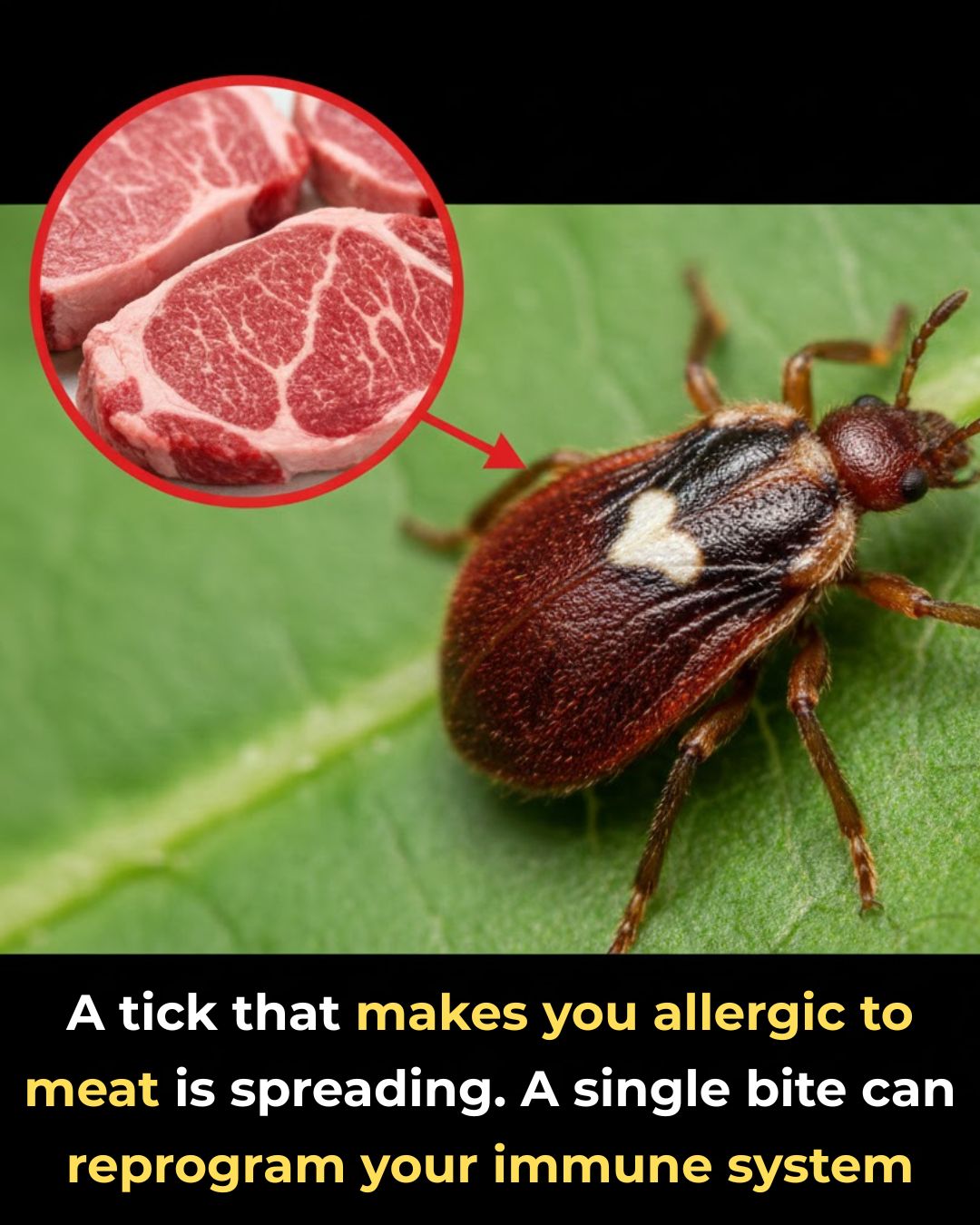
Alpha-gal syndrome is a delayed food allergy that can develop after being bitten by certain types of ticks—most notably the Lone Star tick, though other species may also be involved.
This condition can cause people to suddenly become allergic to:
Beef
Pork
Lamb
Venison
Gelatin
Dairy products (in some cases)
For many, this happens later in life, even if they’ve eaten meat without any issues for decades.
What Is Alpha-Gal?
Alpha-gal (short for galactose-α-1,3-galactose) is a sugar molecule found in most mammals—but not in humans or primates.
When certain ticks bite humans, they can introduce alpha-gal into the bloodstream. In response, the immune system may begin producing antibodies against it. Once sensitized, consuming mammalian meat can trigger an allergic reaction.
What makes alpha-gal syndrome especially dangerous is that:
Symptoms are delayed, often appearing 3–8 hours after eating
Reactions can range from mild to life-threatening
Many people never suspect food as the cause
Why This Allergy Is So Hard to Detect
Most food allergies cause symptoms within minutes. Alpha-gal reactions don’t.
This delay leads to:
Misdiagnosis
Confusion
Dismissal of symptoms as anxiety, indigestion, or stress
Years of unnecessary suffering
People may eat a steak for dinner and wake up at 2 a.m. with:
Hives
Swelling
Severe stomach pain
Nausea or vomiting
Diarrhea
Shortness of breath
Anaphylaxis in severe cases
Because the reaction doesn’t happen immediately, many never connect the dots.
Symptoms That Often Go Unrecognized
Alpha-gal syndrome doesn’t look the same in everyone. Some people experience primarily gastrointestinal symptoms, while others have skin or respiratory reactions.
Common symptoms include:
Chronic hives or itching
Unexplained rashes
Abdominal cramping
Bloating
Diarrhea
Acid reflux
Fatigue after meals
Brain fog
Swelling of lips, tongue, or throat
In some cases, reactions only occur after:
Eating fatty meats
Exercising after a meal
Drinking alcohol with meat
Eating large portions
This inconsistency makes diagnosis even harder.
Why Doctors Often Miss It
Many healthcare providers are still unfamiliar with alpha-gal syndrome, especially in regions where tick awareness is relatively new.
Common misdiagnoses include:
Irritable bowel syndrome (IBS)
Chronic urticaria (hives)
Anxiety or panic disorder
Food intolerance
Acid reflux or gastritis
Standard allergy tests don’t always include alpha-gal unless specifically ordered. Without a known tick bite history, many doctors never think to check.
The Emotional and Lifestyle Impact
Being suddenly allergic to meat isn’t just a dietary inconvenience—it can be emotionally and socially disruptive.
People with alpha-gal syndrome often experience:
Anxiety around eating
Fear of accidental exposure
Difficulty dining out
Social isolation
Frustration with being misunderstood
Food is deeply tied to culture, family, and comfort. Losing the ability to eat foods you’ve enjoyed your entire life can feel like losing part of your identity.
Other Hidden Consequences of Tick Bites
Alpha-gal syndrome isn’t the only underrecognized result of tick exposure.
Ticks can also contribute to:
Chronic inflammation
Autoimmune reactions
Neurological symptoms
Long-term fatigue
Joint and muscle pain
Dysautonomia (nervous system dysfunction)
In some cases, people are infected with multiple tick-borne pathogens at once, leading to complex, overlapping symptoms that don’t fit neatly into one diagnosis.
Why Tick-Related Illnesses Are Increasing
Several factors are contributing to the rise in tick-borne conditions:
Climate Change
Warmer temperatures allow ticks to survive longer and expand into new regions.
Urban Expansion
As humans move into wooded and rural areas, contact with ticks increases.
Wildlife Population Changes
Deer and rodents—key tick hosts—are thriving in many regions.
Lack of Awareness
Many people still don’t take tick prevention seriously.
Prevention: The Best Defense
Preventing tick bites is far easier than dealing with the consequences.
Outdoor Protection
Wear long sleeves and pants
Tuck pants into socks
Use tick repellents with DEET or permethrin
Stay on clear trails
Avoid tall grass and leaf litter
After Outdoor Activities
Perform full-body tick checks
Shower within two hours
Check pets carefully
Wash clothes in hot water
Around the Home
Keep grass trimmed
Remove leaf piles
Create gravel or mulch barriers
Discourage deer and rodents
What To Do If You’ve Been Bitten
If you find a tick:
Remove it promptly with fine-tipped tweezers
Clean the area thoroughly
Save the tick if possible (for identification)
Monitor symptoms for weeks or months
Document any unusual reactions to food or health changes
If unexplained symptoms appear later, mention the tick bite history to your doctor, even if it happened years ago.
For Complete Cooking STEPS Please Head On Over To Next Page Or Open button (>) and don’t forget to SHARE with your Facebook friends
ADVERTISEMENT
