
ADVERTISEMENT
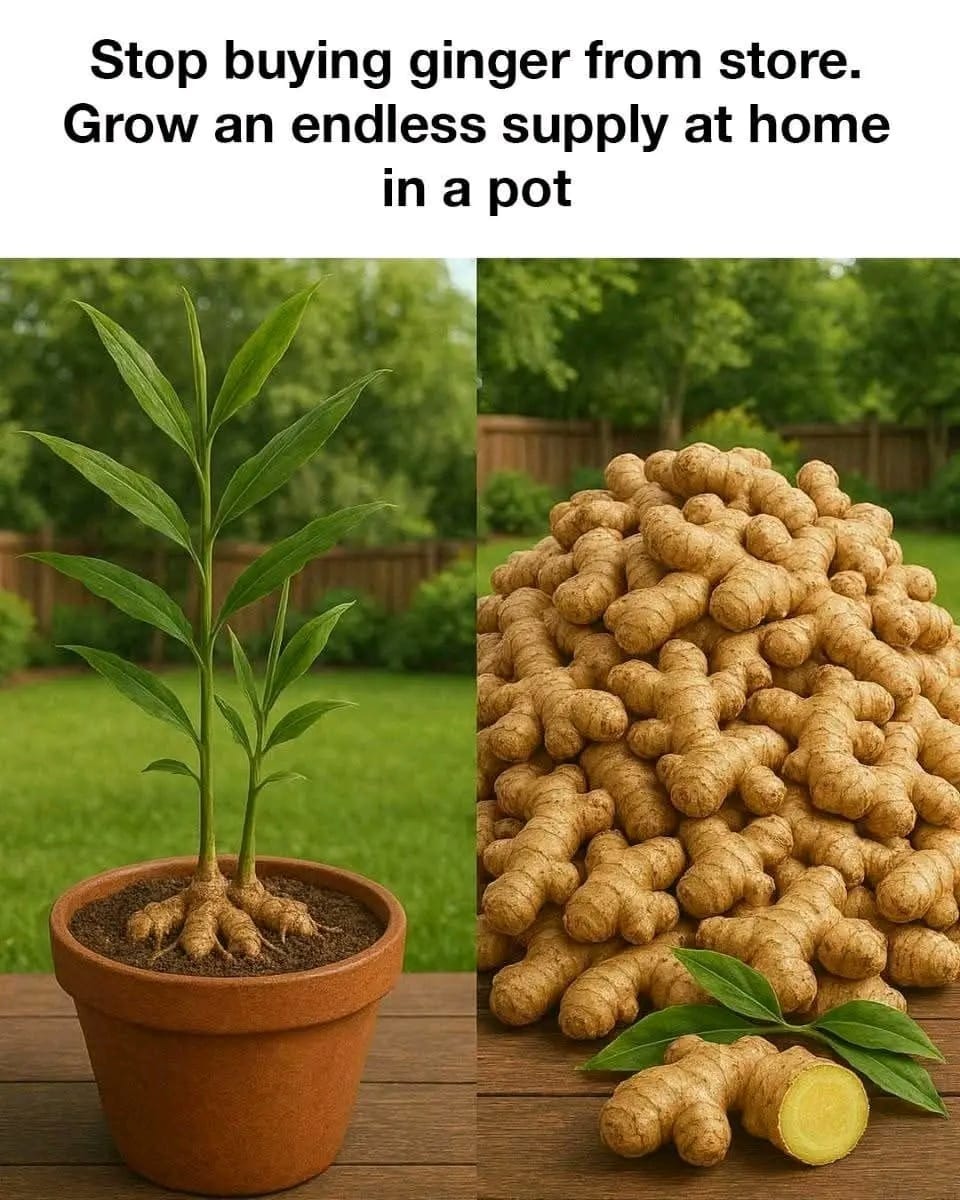
Stop Buying Ginger from the Store: Grow an Endless Supply at Home in a Pot
Ginger is one of the most versatile and beloved kitchen ingredients around the world. From spicy stir-fries and warming teas to medicinal remedies and baked goods, this humble root has earned its place in nearly every cuisine and culture. Yet despite how often we use it, most people rely entirely on store-bought ginger—paying repeatedly for something that can actually be grown easily at home.
What if you could stop buying ginger altogether and grow an endless supply right in your own home, using nothing more than a pot, a piece of ginger, and a little patience?
The good news is: you can.
Growing ginger at home is surprisingly simple, even if you live in an apartment, have limited space, or consider yourself a beginner gardener. With the right approach, a single store-bought ginger root can turn into a renewable source of fresh, flavorful ginger for years to come.
In this guide, you’ll learn everything you need to know about growing ginger in a pot—from choosing the right root to harvesting continuously—so you’ll never have to buy ginger from the store again.
Why You Should Grow Ginger at Home
Before diving into the how-to, let’s talk about why growing your own ginger is worth the effort.
- Endless Supply from One Root
Ginger grows by producing rhizomes—underground stems that branch and multiply. When grown correctly, you can harvest portions while leaving the plant alive, allowing it to keep growing indefinitely.
- Fresher and More Flavorful
Homegrown ginger is noticeably more aromatic, juicier, and spicier than store-bought ginger, which is often harvested early and stored for months.
- Cost-Effective
A single piece of ginger from the grocery store can cost several dollars. That same piece can produce multiple harvests over time.
- No Chemicals or Preservatives
You control what goes into the soil. No pesticides, no wax coatings, no growth inhibitors.
- Perfect for Small Spaces
Ginger thrives in containers. You don’t need a garden—just a pot, a windowsill, balcony, or patio.
Understanding Ginger: How It Grows
To grow ginger successfully, it helps to understand what kind of plant it is.
Ginger (Zingiber officinale) is a tropical perennial plant. The part we eat is not a root, but a rhizome, which grows horizontally underground. From the rhizome, shoots grow upward to form leafy stems, while new rhizomes develop beneath the soil.
Key characteristics:
Loves warmth and humidity
Prefers indirect sunlight
Grows slowly but steadily
Can be harvested partially without killing the plant
This growth habit makes ginger ideal for container gardening and continuous harvesting.
Choosing the Right Ginger to Plant
The first step is choosing the right ginger rhizome.
Can You Use Store-Bought Ginger?
Yes—most of the time. However, some grocery store ginger is treated with growth inhibitors to prevent sprouting.
What to Look For
Choose ginger that:
Is firm and plump
Has smooth skin (not shriveled)
Shows visible “eyes” or buds (small bumps similar to potato eyes)
Is organic if possible
Organic ginger is more likely to sprout because it hasn’t been treated with sprout suppressants.
Preparing Ginger for Planting
Once you have your ginger, preparation is simple.
Step 1: Break into Pieces
If your ginger root is large, break or cut it into smaller pieces. Each piece should have at least one healthy eye.
Step 2: Optional Soaking
Soak the ginger pieces in water overnight. This can help remove any residual chemicals and encourage sprouting.
Step 3: Let It Dry
Allow cut pieces to dry for a few hours before planting to prevent rot.
Choosing the Right Pot
Ginger grows horizontally, so the pot matters.
Pot Requirements
Wide rather than deep
At least 12 inches wide
Drainage holes are essential
Shallow, wide containers work best because they give the rhizomes room to spread.
Best Soil for Growing Ginger
Ginger prefers loose, rich, well-draining soil.
Ideal Soil Mix
High-quality potting soil
Compost or well-rotted manure
A bit of sand or perlite for drainage
Avoid heavy garden soil, which can compact and cause rot.
How to Plant Ginger in a Pot
Step-by-Step Instructions
Fill the pot with soil, leaving about 2 inches of space at the top.
Place ginger pieces on the soil with the eyes facing upward.
Cover with 1–2 inches of soil.
Water lightly until the soil is moist, not soggy.
Place the pot in a warm location with indirect sunlight.
Light and Temperature Requirements
Ginger is a tropical plant and thrives in warmth.
Light
Bright, indirect sunlight
Avoid harsh direct sun, which can scorch leaves
Temperature
Ideal range: 70–85°F (21–29°C)
Protect from frost and cold drafts
Indoors, ginger grows well near a bright window or under grow lights.
Watering Ginger Correctly
Watering is one of the most important factors.
General Rule
Keep soil consistently moist
Never let it become waterlogged
Too much water causes rot, while too little slows growth.
Tip
Stick your finger into the soil—if the top inch feels dry, it’s time to water.
Fertilizing for Healthy Growth
Ginger is a moderate feeder.
Best Fertilizer Options
Compost tea
Liquid seaweed fertilizer
Balanced organic fertilizer
Feed every 3–4 weeks during active growth.
What to Expect During Growth
Ginger grows slowly, so patience is key.
Timeline
2–4 weeks: Shoots begin to appear
2–3 months: Leafy stems grow taller
4–6 months: Rhizomes begin to develop
8–10 months: Mature ginger ready for harvest
The longer you wait, the larger and spicier the ginger becomes.
Harvesting Ginger Without Killing the Plant
This is where ginger truly shines as a home crop.
Partial Harvesting Method
Gently dig around the edge of the pot.
Break off a portion of the rhizome.
Leave the main plant intact.
Cover exposed soil and water lightly.
The plant continues growing, producing more ginger.
Harvesting Young vs Mature Ginger
Young Ginger
Harvested at 3–4 months
Tender skin, mild flavor
Perfect for tea and fresh dishes
Mature Ginger
Harvested at 8–10 months
Stronger flavor, thicker skin
Ideal for cooking and storage
How to Store Homegrown Ginger
Fresh Storage
Refrigerate in an airtight container
Lasts several weeks
Freezing
Freeze whole or grated ginger
Maintains flavor for months
Drying
Slice thinly and air-dry or dehydrate
Store in an airtight jar
Common Problems and Solutions
- Yellowing Leaves
Overwatering or nutrient deficiency
Reduce watering and fertilize lightly
- No Sprouting
Ginger may be treated or too cold
Move to a warmer location
- Rotting Rhizomes
Poor drainage
Use lighter soil and reduce watering
Can Ginger Grow Year-Round Indoors?
Yes! One of the best things about ginger is that it can grow indoors year-round with proper care.
Rotate pots for even light
Maintain warmth
Reduce watering slightly in winter
Benefits Beyond the Kitchen
Growing ginger isn’t just about food.
Health Benefits
Anti-inflammatory properties
Aids digestion
Supports immunity
Aesthetic Value
Lush green foliage
Attractive indoor plant
Sustainability
Reduces packaging waste
Lowers grocery costs
Encourages self-sufficiency
Tips for Maximum Ginger Production
Harvest gradually, not all at once
Use wide pots
Feed regularly
Keep warm
Replant pieces immediately after harvesting
Why Most People Fail at Growing Ginger (and How You Won’t)
Common mistakes include:
For Complete Cooking STEPS Please Head On Over To Next Page Or Open button (>) and don’t forget to SHARE with your Facebook friends
ADVERTISEMENT
