
ADVERTISEMENT
Chicken Gizzards: The Underrated Superfood You Need to Try
When people talk about superfoods, they usually mention chia seeds, kale, quinoa, blueberries, or salmon. Rarely—if ever—does the conversation turn to chicken gizzards. Yet this humble, often-overlooked cut of poultry has been nourishing cultures around the world for centuries.
Chicken gizzards may not be trendy, but they are nutrient-dense, affordable, versatile, and surprisingly delicious when prepared correctly. In a world where food prices are rising and people are searching for healthier, more sustainable protein sources, gizzards deserve a serious second look.
This article explores what chicken gizzards are, why they’re so nutritious, how different cultures use them, how to cook them properly, and why they may be one of the most underrated superfoods you need to try.
What Exactly Are Chicken Gizzards?
To appreciate chicken gizzards, it helps to understand their role.
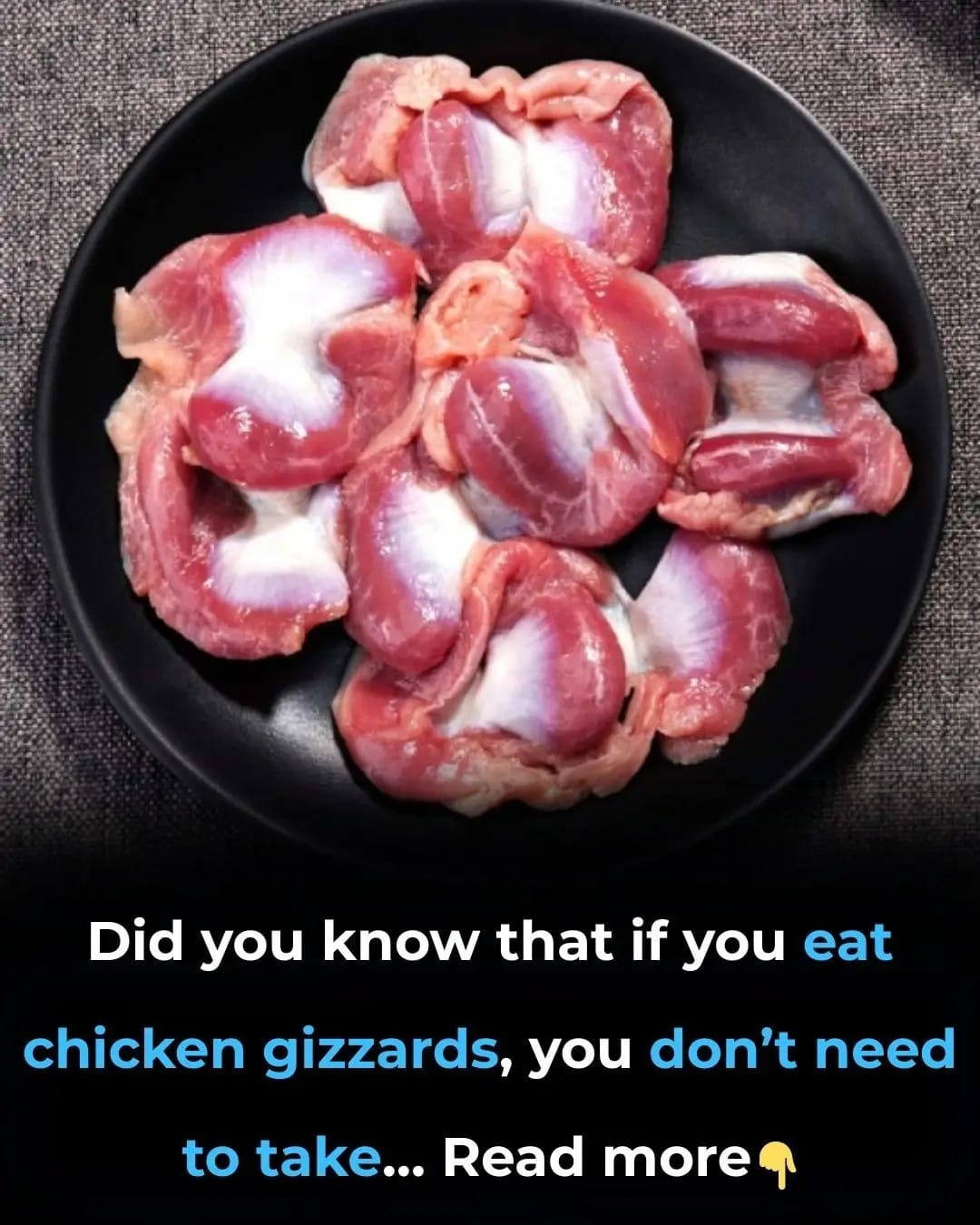
A gizzard is part of a chicken’s digestive system. Birds don’t have teeth, so instead of chewing food, they rely on the gizzard—a thick, muscular organ—to grind food internally. The gizzard contracts powerfully, crushing grains and seeds, often with the help of small stones the bird swallows.
Because of this function, gizzards are pure muscle, which explains both their nutritional value and their firm texture.
Why Some People Avoid Gizzards
They’re classified as “offal,” which carries stigma
Many people didn’t grow up eating them
They’re often cooked poorly, resulting in toughness
But when treated with care, gizzards are tender, flavorful, and deeply satisfying.
A Forgotten Staple with Global Roots
Chicken gizzards are not new or unusual in many parts of the world.
Gizzards Around the World
Southern United States: Fried gizzards are a beloved comfort food
West Africa: Simmered in spicy stews and soups
Asia: Stir-fried, braised, or skewered as street food
Latin America: Used in hearty soups and rice dishes
Eastern Europe: Slow-cooked with onions and herbs
The only place gizzards seem “strange” is in modern Western diets, where processed foods have replaced nose-to-tail eating.
Why Chicken Gizzards Are a Superfood
Chicken gizzards may not look glamorous, but nutritionally, they are impressive.
- High-Quality Protein
Gizzards are packed with protein, which is essential for:
Muscle repair
Immune function
Hormone production
Satiety and weight management
A single serving provides a substantial amount of complete protein containing all essential amino acids.
- Exceptionally Rich in Iron
Iron deficiency is one of the most common nutritional deficiencies worldwide. Chicken gizzards are rich in heme iron, the form most easily absorbed by the body.
Iron supports:
Oxygen transport in the blood
Energy production
Brain function
Prevention of anemia
For people who struggle to maintain healthy iron levels, gizzards can be a powerful addition to the diet.
- Packed with Zinc
Zinc is often overlooked, yet it’s crucial for:
Immune health
Wound healing
DNA synthesis
Hormonal balance
Chicken gizzards contain significant amounts of zinc, making them particularly valuable during cold and flu season.
- Excellent Source of Vitamin B12
Vitamin B12 is essential for:
Red blood cell formation
Nervous system health
Cognitive function
Energy metabolism
Because B12 is found almost exclusively in animal products, gizzards are a valuable option—especially for people who don’t eat much red meat.
- Low in Fat, High in Nutrients
Compared to many cuts of meat, chicken gizzards are relatively low in fat while still delivering dense nutrition. This makes them ideal for people who want nutrient-rich food without excessive calories.
Why Modern Diets Ignore Gizzards
Despite their benefits, gizzards have fallen out of favor.
The Rise of Convenience Foods
Modern diets prioritize:
Boneless cuts
Fast cooking times
Uniform textures
Gizzards require time and technique—something many people aren’t taught.
Loss of Nose-to-Tail Eating
Earlier generations used every part of the animal out of respect, necessity, and wisdom. Today, offal is often discarded, even though it’s often the most nutritious part.
Sustainability: Why Gizzards Make Sense
Eating gizzards is not just healthy—it’s environmentally responsible.
Reducing Food Waste
Every chicken already has gizzards. Eating them means:
Less waste
Better use of resources
Greater respect for the animal
Lower Environmental Footprint
Gizzards don’t require additional farming. Choosing them over processed meat products reduces demand for resource-intensive foods.
The Texture Myth: Why Gizzards Get a Bad Reputation
Many people claim they “don’t like the texture” of gizzards—but texture is a cooking issue, not an ingredient issue.
Why Gizzards Become Tough
Cooked too quickly
Cooked at too high heat
Not given enough time
Gizzards need low and slow cooking to break down muscle fibers.
When cooked properly, they become:
Tender
Chewy in a pleasant way
Deeply savory
How to Prepare Chicken Gizzards Correctly
Step 1: Clean Them Thoroughly
Remove excess fat and connective tissue
Rinse under cold water
Step 2: Pre-Cook (Critical Step)
Simmer gizzards in lightly salted water for 45–90 minutes until tender. This step alone transforms them.
Step 3: Flavor and Finish
Once tender, gizzards can be:
Fried
Grilled
Stir-fried
Added to stews
Used in curries
Delicious Ways to Cook Chicken Gizzards
- Southern-Style Fried Gizzards
Boil until tender
Dredge in seasoned flour
Fry until golden and crispy
Crunchy outside, tender inside—comfort food at its best.
- Braised Gizzards with Onions
Slow-cooked with onions, garlic, and herbs until deeply flavorful.
- Spicy Gizzard Stir-Fry
Quickly sautéed after pre-cooking with peppers, chili, and soy-based sauces.
- Gizzard Soup
Simmered with vegetables, herbs, and spices for a nutrient-dense broth.
- Grilled or Skewered Gizzards
Popular in many cultures, especially as street food.
Health Benefits Beyond Nutrition
Supports Gut Health
Gizzards contain connective tissue and amino acids that support digestive health.
Improves Energy Levels
Iron and B vitamins contribute to sustained energy and reduced fatigue.
Strengthens Immunity
Zinc, selenium, and protein support immune defense.
Who Should Eat Chicken Gizzards?
Gizzards are especially beneficial for:
Athletes
People with iron deficiency
Budget-conscious families
Those interested in traditional diets
Anyone seeking nutrient-dense foods
Who Should Limit Them?
While healthy, moderation is important for:
People with gout (due to purines)
Those managing cholesterol (though gizzards are leaner than many meats)
Balance is key.
Cost Comparison: Gizzards vs Popular Proteins
One of the most compelling reasons to try gizzards is affordability.
Chicken breast: expensive, increasingly processed
Steak: costly and resource-intensive
Fish: rising prices
Gizzards often cost a fraction of these options while delivering equal—or greater—nutrition.
Why Taste Is Cultural, Not Absolute
Many people dismiss gizzards without ever trying them. Taste preferences are learned, not fixed.
Foods once considered undesirable—like sushi, bone broth, or fermented foods—are now celebrated. Gizzards are simply waiting for their turn.
How to Introduce Gizzards to Your Diet
Start by mixing them into familiar dishes
Try slow-cooked recipes first
Use bold seasonings
Pair with comfort foods like rice or potatoes
Reclaiming Traditional Wisdom
For Complete Cooking STEPS Please Head On Over To Next Page Or Open button (>) and don’t forget to SHARE with your Facebook friends
ADVERTISEMENT
