
ADVERTISEMENT
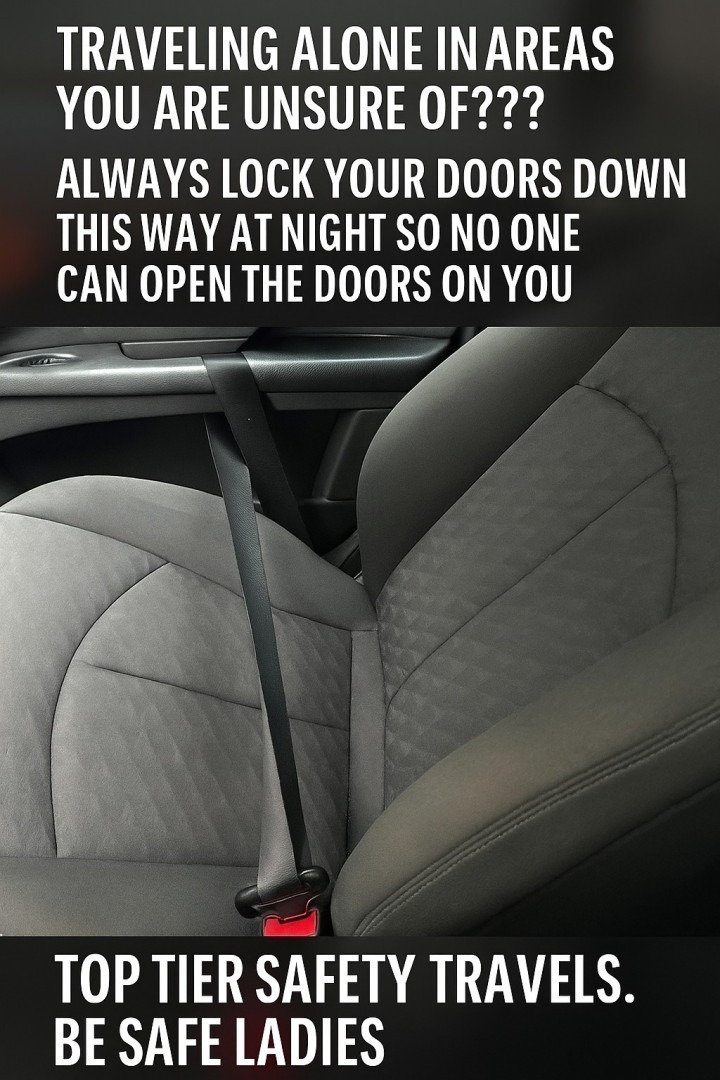
A Simple Seatbelt Trick That Could Save Your Life
A Must-Know Travel Safety Tip Everyone Should Learn
Seatbelts are one of the most familiar safety tools in the modern world. We buckle them without thinking, reminded by warning chimes, laws, and decades of public safety campaigns. For most of us, wearing a seatbelt feels automatic—just another part of starting a journey.
But what many people don’t realize is that how you wear your seatbelt can matter just as much as wearing it at all.
There is a simple seatbelt trick—easy to learn, free to use, and applicable to almost every vehicle—that can significantly improve your safety in the event of a sudden stop or collision. It doesn’t involve gadgets, modifications, or special training. It’s something you can do in seconds, every time you travel.
And yet, millions of people don’t know about it.
This post explores what that seatbelt trick is, why it works, and why understanding the mechanics of your seatbelt could make a real difference when it matters most.
Why Seatbelts Matter More Than We Think
Seatbelts are often taken for granted because they’re so common. But they are one of the most effective safety inventions ever created.
Their primary purpose is simple:
- Keep you from being thrown forward
- Distribute crash forces across stronger parts of your body
- Reduce the risk of severe injury or ejection
In a sudden stop, your body continues moving at the same speed the vehicle was traveling—until something stops it. A seatbelt is designed to stop you gradually instead of letting you collide with the dashboard, windshield, or seat in front of you.
But seatbelts are only fully effective when they’re positioned correctly.
The Simple Seatbelt Trick: Remove the Slack
The must-know seatbelt trick is this:
After buckling your seatbelt, pull it tight across your lap so there is no slack, and ensure the lap belt sits low across your hips—not your stomach.
That’s it.
It sounds almost too simple to matter, but the difference between a snug seatbelt and a loose one can be critical.
Many people buckle their seatbelt and leave it slightly loose, especially on longer trips. Over time, slack can develop as you shift positions, recline the seat, or relax into the drive. That slack changes how your body moves during sudden deceleration.
Removing it takes only a second—and it can significantly reduce the risk of injury.
Why Slack Is Dangerous
In a crash or sudden stop, slack in the seatbelt allows your body to move forward before the belt engages fully. This extra movement can increase the force exerted on your body when the belt finally tightens.
That delay can lead to:
- Increased risk of internal injuries
- Greater strain on the neck and spine
- Higher chance of “submarining,” where the body slides under the lap belt
- Reduced effectiveness of airbags
Seatbelts are engineered to work in tandem with airbags. If your body is out of position due to a loose belt, airbags may deploy too late or at the wrong angle to protect you properly.
The Correct Way to Position Your Seatbelt
To get the most protection from your seatbelt, follow these steps every time you buckle up:
1. Buckle the Seatbelt Normally
Make sure the belt clicks securely into the latch.
2. Pull the Lap Belt Tight
Grab the shoulder portion of the belt and pull upward to remove slack from the lap belt. The lap portion should be snug.
3. Position the Lap Belt Low
The lap belt should rest across your hips and upper thighs, not your stomach. Your hip bones are strong and designed to absorb force.
4. Check the Shoulder Belt
The shoulder belt should cross the center of your chest and rest on your shoulder—not your neck and not slipping off your shoulder.
This simple adjustment ensures the belt is doing exactly what it was designed to do.
Why the Lap Belt Position Is So Important
One of the most overlooked aspects of seatbelt safety is where the lap belt sits.
When worn too high across the abdomen, the belt can put pressure on soft tissue and internal organs during a sudden stop. This increases the risk of serious internal injuries.
When worn low across the hips:
- Force is distributed to stronger bones
- Risk of internal injury is reduced
- The body stays properly positioned in the seat
This positioning is especially important for:
- Children transitioning out of booster seats
- Smaller adults
- Pregnant passengers (with proper medical guidance)
The Reclined Seat Problem
Many people recline their seats for comfort, especially on long trips. While slight reclining is generally safe, excessive reclining can interfere with how a seatbelt functions.
When a seat is too far back:
- The lap belt may ride up
- The shoulder belt may not sit correctly
- The risk of sliding under the belt increases
The seatbelt trick—tightening the lap belt—becomes even more important in these situations. Keeping the belt snug helps compensate for changes in seating position.
Why This Trick Is Rarely Taught
If this seatbelt trick is so important, why don’t more people know about it?
There are a few reasons:
- Seatbelt education often focuses on wearing the belt, not how to wear it
- Modern vehicles give a false sense of security due to advanced safety features
- Small adjustments don’t feel dramatic or urgent
- Safety habits are rarely revisited once learned
Most people assume that clicking the belt is enough. While it’s far better than not wearing one at all, proper positioning can significantly enhance protection.
Seatbelts and Sudden Braking (Not Just Crashes)
It’s not only high-speed collisions where seatbelt positioning matters.
Sudden braking to avoid an obstacle can:
- Throw occupants forward
- Cause whiplash-like motion
- Lead to injuries even without a collision
A properly tightened seatbelt reduces forward momentum and helps keep your body aligned with the seat and headrest, minimizing strain.
Why This Matters for Passengers Too
Drivers aren’t the only ones who benefit from this trick.
Passengers—especially those in the back seat—are often more relaxed about seatbelt use. Belts may be loosely worn, twisted, or poorly positioned.
In reality:
- Back-seat passengers face serious injury risks in sudden stops
- An unrestrained or loosely restrained passenger can injure others
- Proper belt use protects everyone in the vehicle
Taking a moment to adjust your seatbelt helps make the entire car safer.
Teaching This Trick to Children and Teens
Young passengers often learn seatbelt habits early—and those habits stick.
Teaching children to:
- Sit upright
- Keep the lap belt low
- Remove slack after buckling
helps establish lifelong safety behavior.
For teenagers who are new drivers or frequent passengers, understanding why these details matter can make them more likely to take seatbelt use seriously.
Common Seatbelt Mistakes to Avoid
Even people who wear seatbelts regularly can make mistakes that reduce effectiveness.
Wearing the Belt Under the Arm
This can cause serious chest or internal injuries.
Placing the Shoulder Belt Behind the Back
This removes upper-body restraint entirely.
Twisted Seatbelts
Twists concentrate force instead of distributing it evenly.
Allowing Excess Slack
Reduces the belt’s ability to control movement.
The simple act of tightening the belt helps prevent many of these issues.
Seatbelts and Modern Vehicle Safety Systems
Today’s cars are equipped with:
- Airbags
- Pretensioners
- Load limiters
- Crash sensors
Seatbelt pretensioners automatically tighten the belt during a crash—but they work best when there isn’t already slack in the system.
Think of it this way:
A pretensioner can tighten a belt faster and more effectively if it starts from a snug position.
Why This Tip Matters When Traveling
Travel often disrupts routines.
You might:
- Ride in unfamiliar vehicles
- Sit in different seats
- Recline more than usual
- Wear bulky clothing
All of these can affect seatbelt fit.
Making it a habit to check and tighten your seatbelt every time you travel—whether in a car, taxi, or rideshare—adds an extra layer of protection when you’re outside your normal environment.
The Psychology of “Small” Safety Actions
Small actions are easy to dismiss because they don’t feel dramatic.
But safety is rarely about one big decision—it’s about many small ones stacking together.
Wearing a seatbelt is a big step.
Wearing it correctly is the refinement.
The difference may only take a second, but that second could matter more than you ever expect.
A Habit Worth Building
The beauty of this seatbelt trick is that it requires:
For Complete Cooking STEPS Please Head On Over To Next Page Or Open button (>) and don’t forget to SHARE with your Facebook friends
ADVERTISEMENT
