
ADVERTISEMENT
Examples often cited include:
Cranberry (prevention, not treatment)
Uva ursi (short-term, under supervision)
Garlic (supportive antimicrobial activity)
But here’s the critical medical reality:
Untreated UTIs can progress to kidney infections.
Doctors caution strongly against attempting to “cure” UTIs with herbs alone. Supportive use must be paired with medical oversight.
Herpes Viruses: A Lifetime Condition
Herpes simplex viruses are lifelong. There is no cure.
Some herbs may:
Support immune response
Reduce oxidative stress
Help the body manage outbreaks
Examples sometimes discussed include:
Lemon balm
Licorice root (topical use only)
Oregano (lab-based antiviral activity)
But no herb eradicates herpes from the body. Claims suggesting otherwise are misleading and harmful.
Flu Viruses: Immune Support, Not Destruction
Influenza viruses change constantly.
Herbs can:
Support immune defenses
Reduce inflammation
Help manage symptoms
Commonly discussed herbs include:
Elderberry
Echinacea
Garlic
Oregano
Doctors emphasize that herbs do not replace vaccination or antiviral medication, but they may help the body respond more effectively.
Why “Destroys” Is the Wrong Word
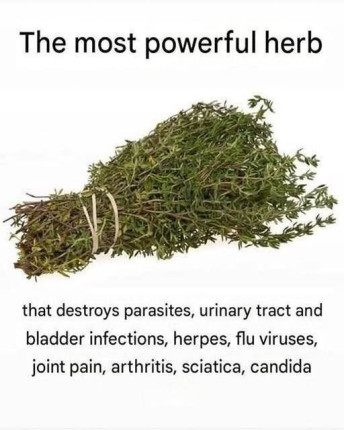
The word “destroys” implies certainty, completeness, and direct action.
In reality, herbs work in subtler ways:
Modulating immune response
Creating unfavorable conditions for pathogens
Supporting the body’s own defenses
They do not operate like pharmaceutical antibiotics or antivirals.
This distinction matters—because misunderstanding it leads to misuse.
The Hidden Risks of “Potent” Herbs
Potency cuts both ways.
Highly concentrated herbal extracts—especially oils—can:
Irritate the digestive system
Damage beneficial gut bacteria
Interact with medications
Stress the liver and kidneys
Cause allergic reactions
Oregano oil, for example, is not meant for long-term daily use without guidance.
Natural does not mean harmless.
Why Doctors Worry About These Claims
Medical professionals are not anti-herb.
They are anti–false certainty.
They see patients who:
Delay treatment
Combine herbs and medications unsafely
Overuse concentrated extracts
Assume “natural” means safe
The concern isn’t herbs—it’s misinformation.
How Herbal Medicine Is Actually Used Responsibly
Responsible herbal use looks like this:
Supporting immunity, not replacing treatment
ADVERTISEMENT
