
ADVERTISEMENT
After infusion:
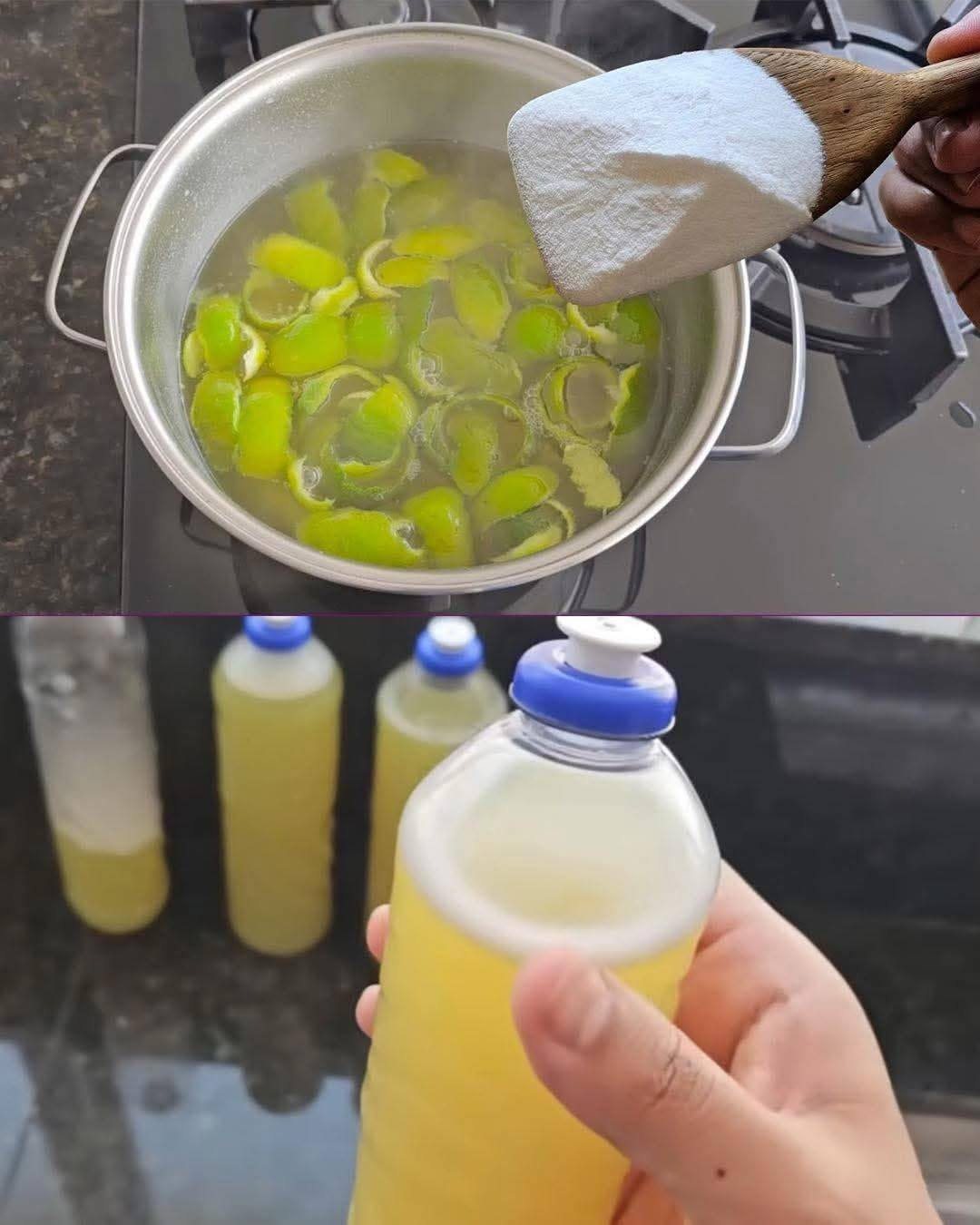
Strain out the peels
Pour the liquid into a spray bottle
Dilute with water (1:1 ratio)
Your cleaner is now ready to use.
Optional Enhancements for Extra Power
You can customize your cleaner depending on your needs.
For Extra Degreasing
Add:
A few drops of natural dish soap
For Stronger Antibacterial Action
Add:
Cloves
Thyme
Tea tree oil (a few drops)
For a Fresh Herbal Scent
Add:
Rosemary
Lavender
Mint
Let these infuse alongside the lemon peels.
Where You Can Use Lemon Peel Cleaner
This cleaner is surprisingly versatile.
Kitchen
Countertops
Sinks
Stovetops
Cabinets
Appliance exteriors
It cuts through grease while leaving a fresh, clean scent.
Bathroom
Sinks
Faucets
Shower walls
Toilet exteriors
The acid helps break down soap scum and water spots.
Glass and Mirrors
When diluted properly, it leaves glass streak-free and shiny.
Floors
Add a small amount to mop water for:
Tile
Vinyl
Laminate
Trash Cans
Spray inside to neutralize odors and disinfect.
Surfaces to Avoid
While lemon peel cleaner is gentle, it’s still acidic.
Avoid using it on:
Natural stone (marble, granite)
Waxed wood
Cast iron
Always spot-test new surfaces.
Why This Cleaner Actually Works (The Science)
The effectiveness comes from a combination of chemistry and nature.
Acids Break Down Grime
Citric acid dissolves mineral deposits and grease.
Essential Oils Dissolve Oil-Based Dirt
Limonene cuts through sticky residues that water alone can’t handle.
Vinegar Alters pH
Many bacteria struggle to survive in acidic environments.
Together, these elements create a cleaner that works with chemistry—not against it.
The Cost Savings Add Up Quickly
Let’s break it down.
ADVERTISEMENT
