
ADVERTISEMENT
How to Make Perfect Scrambled Eggs Every Time
Scrambled eggs seem simple.
Crack. Whisk. Cook. Serve.
And yet, they’re one of the most frequently “messed up” dishes in home kitchens. Too dry. Too watery. Rubbery. Bland. Overcooked. Undercooked. Somehow both at once.
The truth is this: perfect scrambled eggs aren’t about luck. They’re about understanding a few key principles—and respecting the egg.
Once you do, you can make flawless scrambled eggs every single time, whether you’re cooking for one on a sleepy weekday morning or serving a crowd at brunch.
This guide walks you through everything you need to know: technique, timing, heat, fat, seasoning, texture preferences, and common mistakes—so scrambled eggs stop being unpredictable and start being reliably delicious.
What “Perfect” Scrambled Eggs Really Mean
Before we get into how, let’s talk about what “perfect” actually means.
Perfect scrambled eggs are:
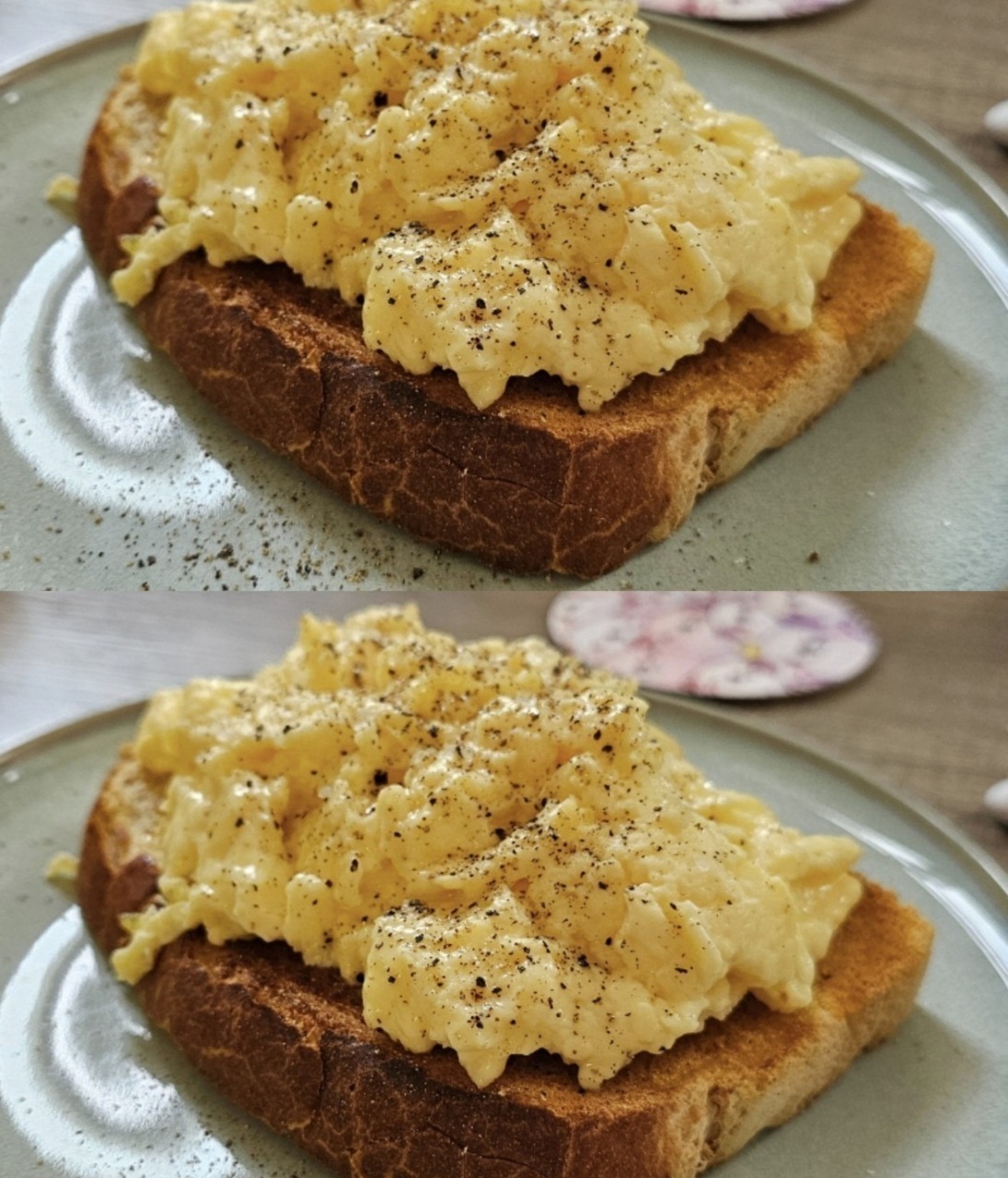
Soft, moist, and tender
Lightly set but not runny
Rich without being greasy
Flavored, not bland
Cooked gently, not rushed
They should never be:
Browned
Dry or crumbly
Spongy
Watery on the plate
If your eggs resemble cottage cheese or rubber, something went wrong—and we’re about to fix it.
The Egg Itself: Start With the Right Ingredient
Great scrambled eggs begin before the pan ever hits the stove.
Use Fresh Eggs
Fresh eggs have:
Firmer whites
Richer yolks
Better flavor
They scramble more smoothly and taste noticeably better.
Room Temperature Is Ideal
Cold eggs cook unevenly. Let them sit out for 5–10 minutes if possible. This helps them cook gently and consistently.
To Whisk or Not to Whisk?
Yes, whisk—but not aggressively.
The goal is to:
Fully combine whites and yolks
Introduce a little air
Avoid froth
Over-whisking creates too much air, which can lead to dry eggs. Under-whisking leaves streaks that cook unevenly.
A fork or small whisk works perfectly.
Salt Before or After? The Big Debate
This question has caused more breakfast arguments than you might expect.
Salt Before Cooking
Pros:
Seasons the eggs evenly
Helps break down proteins for a softer texture
Cons:
If eggs sit too long before cooking, they can release moisture
Salt During or After Cooking
Pros:
Prevents moisture release
More control over seasoning
Best practice?
Salt lightly right before cooking, or as they begin to set in the pan.
Avoid salting far in advance.
The Fat Factor: Butter vs. Oil
Fat is essential for perfect scrambled eggs.
Butter
Butter adds:
Richness
Flavor
Creaminess
It’s the classic choice—and for good reason.
Oil
Oil:
Has a higher smoke point
Is useful for dairy-free cooking
Many chefs use a mix of butter and oil to get flavor without burning.
Choose the Right Pan
The pan matters more than you think.
Ideal pan qualities:
Nonstick or well-seasoned
Flat bottom
Not too large
A pan that’s too big spreads the eggs thin and causes overcooking. Too small, and they pile up and cook unevenly.
Heat: The Most Common Mistake
High heat is the enemy of perfect scrambled eggs.
Egg proteins cook and tighten quickly. Too much heat causes:
Water loss
Tough texture
Browning
The Golden Rule
Low to medium-low heat, always.
It may feel slow—but gentle heat is what creates creamy eggs.
The Cooking Process, Step by Step
Let’s walk through the process carefully.
Heat the pan over low heat
Add butter and let it melt gently—no browning
Pour in the eggs
Wait a few seconds
Begin stirring slowly
This initial pause lets the eggs start setting evenly.
Stirring Technique: Less Is More
Stirring too aggressively breaks curds too small and releases moisture.
Instead:
Use a spatula
Push eggs gently from the edges toward the center
Lift and fold, don’t beat
This creates soft, custardy curds instead of dry bits.
When to Stop Cooking (Earlier Than You Think)
Eggs continue to cook after you remove them from the heat.
This is called carryover cooking.
Remove eggs from heat when they are:
Slightly glossy
Just barely set
They should look almost done—not completely done.
Add-Ins: Timing Is Everything
Cheese, herbs, vegetables, and meats can elevate scrambled eggs—or ruin them if added incorrectly.
Cheese
Add near the end so it melts without overcooking the eggs.
Herbs
Fresh herbs go in at the very end to preserve flavor.
Vegetables and Meats
Cook separately first. Adding raw ingredients releases moisture and lowers pan temperature.
Cream, Milk, or None at All?
This is another controversial topic.
Adding Dairy
Milk or cream can:
Add richness
Slightly soften texture
But too much can make eggs watery.
Professional Tip
Perfect scrambled eggs don’t need dairy. Butter and technique are enough.
If you add dairy, use it sparingly.
Texture Preferences: Find Your Perfect
Not everyone likes eggs the same way.
Soft and Custardy
Low heat
Minimal stirring
Remove early
Fluffy
Slightly more whisking
Gentle folding
Fully Set but Tender
Slightly longer cooking
Still low heat
There’s no wrong preference—just wrong technique.
Common Scrambled Egg Mistakes (And Fixes)
Rubbery Eggs
Cause: High heat
Fix: Lower temperature, slower cooking
Watery Eggs
Cause: Over-salting early or too much dairy
Fix: Salt later, reduce liquid
Bland Eggs
Cause: Under-seasoning
Fix: Salt properly and finish with butter
Browned Eggs
Cause: Pan too hot
Fix: Start over—browning means overcooked
Professional Chefs’ Secret: Finish With Butter
A small knob of cold butter stirred in at the end:
Stops cooking
Adds gloss
Boosts flavor
It’s a small step with a big payoff.
Scrambled Eggs for a Crowd
Cooking for more people requires adjustments.
Tips:
Use a wider pan or cook in batches
Keep heat low
Avoid crowding the pan
Never rush scrambled eggs—they don’t forgive impatience.
Make-Ahead Scrambled Eggs (With Caution)
Scrambled eggs are best fresh.
If you must hold them:
Keep warm gently
Add a splash of butter or cream before serving
Avoid reheating aggressively
Microwaving dries eggs quickly—use low power if necessary.
The Science Behind Scrambled Eggs
Eggs are mostly water and protein.
When heated:
Proteins unfold and bond
Water gets trapped
High heat squeezes water out. Low heat keeps it inside.
That’s why gentle cooking is everything.
Cultural Takes on Scrambled Eggs
Different cultures treat scrambled eggs differently.
French eggs are soft and custardy
American eggs are fluffier and firmer
Asian-style scrambled eggs may include sauces or oils
None are wrong—they just prioritize different textures.
Scrambled Eggs as Comfort Food
Scrambled eggs are more than breakfast.
They’re:
For Complete Cooking STEPS Please Head On Over To Next Page Or Open button (>) and don’t forget to SHARE with your Facebook friends
ADVERTISEMENT
