
ADVERTISEMENT
Part I: Wagyu Steak — Understanding the Luxury Before You Cook It
What Is Wagyu, Really?
“Wagyu” literally translates to “Japanese cow.” But in culinary terms, Wagyu refers to specific breeds of cattle in Japan that are genetically predisposed to intense intramuscular fat, known as marbling. This marbling is what gives Wagyu its legendary tenderness, buttery texture, and depth of flavor.
True Japanese Wagyu is tightly regulated, graded, and often exported in limited quantities. Outside Japan, you’ll find American and Australian Wagyu, which are typically crossbred but still far superior in marbling compared to conventional beef.
Understanding this distinction matters, because how you cook Wagyu depends on what kind you have.
Why Wagyu Is Different from Regular Steak
Wagyu isn’t just “better beef.” It behaves differently under heat.
High fat content means it cooks faster
Lower melting point of fat means it can overcook easily
Tender muscle fibers mean aggressive cooking ruins texture
Where a ribeye or strip steak benefits from strong searing and longer rest, Wagyu demands restraint.
This is why many people ruin Wagyu unintentionally—treating it like a regular steak and cooking it past its ideal doneness.
The Definitive Guide to Wagyu Doneness
Why Medium-Rare Is the Gold Standard
For most Wagyu cuts, medium-rare is not a suggestion—it’s the destination.
At medium-rare (around 130–135°F / 54–57°C):
The fat is fully melted
The meat remains tender
Flavor compounds are preserved
Texture is buttery, not greasy
Anything beyond medium risks rendering too much fat, leaving the steak limp, oily, and less flavorful.
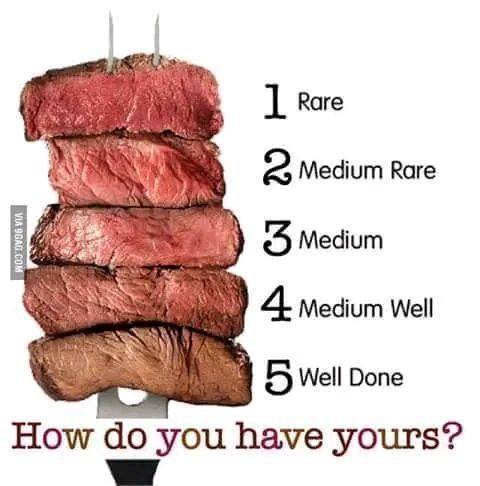
Rare vs Medium-Rare vs Medium (And Why It Matters)
Rare (120–125°F / 49–52°C)
Extremely soft texture
Fat may not be fully rendered
Best for ultra-thin Japanese Wagyu slices
Medium-Rare (130–135°F / 54–57°C)
Ideal fat melt
Rich flavor without heaviness
Best balance of texture and juiciness
Medium (140–145°F / 60–63°C)
Fat begins to escape
Flavor flattens
Texture loses signature Wagyu feel
Anything beyond medium is generally considered wasteful for Wagyu.
Choosing the Right Cut for Perfect Doneness
Not all Wagyu cuts behave the same way.
Ribeye
Most forgiving
High marbling
Excellent for pan-searing
Striploin
Slightly firmer texture
Clean beef flavor
Benefits from precise timing
Tenderloin
Less marbling
Extremely tender
Best cooked very gently
Thin-Sliced Wagyu
Often used for shabu-shabu or yakiniku
Cooked for seconds, not minutes
The fattier the cut, the quicker it reaches doneness.
How to Cook Wagyu Steak the Right Way
Keep It Simple
Wagyu does not want marinades, rubs, or complicated sauces.
All you need:
Salt
Heat
Timing
Pepper can burn at high heat, and butter is unnecessary—the steak provides its own fat.
Pan-Searing: The Most Reliable Method
Step-by-step:
Bring steak to room temperature (20–30 minutes)
Pat dry thoroughly
Heat a heavy pan (cast iron works best)
Do not add oil
Season steak generously with salt
Sear 45–90 seconds per side, depending on thickness
Flip only once
Rest briefly (2–3 minutes)
The goal is a golden crust without extended exposure to heat.
Grilling Wagyu: Proceed with Caution
Grilling can work, but flare-ups from dripping fat can scorch the steak.
If grilling:
Use medium-high heat, not blazing
Avoid direct flames
Keep cooking time short
Watch closely
Resting Wagyu: Less Is More
Unlike lean steaks, Wagyu doesn’t need a long rest.
Two to three minutes is enough. Longer rests allow fat to escape rather than redistribute.
Common Wagyu Mistakes (And How to Avoid Them)
Overcooking: Trust a thermometer
Using oil or butter: Unnecessary and overpowering
Over-seasoning: Salt is enough
Cooking straight from the fridge: Causes uneven doneness
Treating it like a regular steak: Wagyu is its own category
Pairing Wagyu Without Overpowering It
Wagyu shines best with restraint.
Ideal Sides
Simple greens with lemon
Roasted vegetables
Steamed rice
Light pickled vegetables
Avoid heavy sauces, creamy sides, or sugary glazes.
Part II: A Simple, Healthy Breakfast Bake — The Counterbalance
After the richness of Wagyu, it’s fitting to talk about something entirely different yet equally intentional: a simple, healthy breakfast bake.
This dish isn’t about luxury—it’s about sustainability, nourishment, and ease. It’s the kind of meal you prepare once and enjoy throughout the week, grounding your mornings in balance.
Why Breakfast Bakes Are Having a Moment
Modern mornings are busy. Breakfast bakes solve several problems at once:
Minimal prep
Make-ahead friendly
Nutrient-dense
Customizable
Comforting without being heavy
They reflect a shift toward practical wellness, where healthy eating fits real life.
What Makes a Breakfast Bake “Healthy”?
Healthy doesn’t mean bland or restrictive. A good breakfast bake focuses on:
Protein for satiety
Fiber for digestion
Healthy fats for energy
Minimal refined sugar
Whole ingredients
The goal is sustained energy—not a sugar spike followed by a crash.
The Anatomy of a Simple, Healthy Breakfast Bake
The Base
Eggs or egg whites
Optional dairy-free alternatives
The Vegetables
Spinach
Bell peppers
Zucchini
Onions
Mushrooms
Vegetables add bulk, fiber, and micronutrients with minimal calories.
The Protein
Lean turkey sausage
Chicken
Tofu
Beans or lentils
Protein ensures the bake keeps you full through the morning.
The Binder
Eggs
Cottage cheese
Greek yogurt (optional)
This creates structure while boosting protein.
The Flavor Boosters
Herbs
Garlic
Black pepper
Mild spices
Flavor doesn’t require excess salt or fat.
A Simple, Healthy Breakfast Bake Blueprint
Rather than a rigid recipe, think in ratios:
8–10 eggs (or egg mix)
2–3 cups vegetables
1–1.5 cups protein
Light seasoning
Bake at 350°F (175°C) for 35–45 minutes
Let it rest before slicing for clean portions.
Why This Breakfast Works Long-Term
Unlike fad breakfasts, this bake is:
Balanced
Adaptable
Satisfying
Easy to portion
Great for meal prep
It supports stable blood sugar and consistent energy—especially valuable if you occasionally enjoy indulgent meals like Wagyu steak.
The Philosophy That Connects Wagyu and a Breakfast Bake
On the surface, these two dishes couldn’t be more different. But they share a deeper philosophy:
Respect the ingredient.
Wagyu demands restraint and precision
A breakfast bake demands balance and simplicity
Both reward cooks who understand why they’re doing what they’re doing.
Neither is about excess. Wagyu isn’t about eating more—it’s about eating better. A healthy breakfast bake isn’t about restriction—it’s about intention.
Creating a Balanced Food Life
Food doesn’t have to live in extremes.
You can:
Enjoy an exquisite Wagyu steak cooked perfectly
Start your mornings with a nourishing breakfast bake
Appreciate both pleasure and health
Cook with awareness instead of guilt
This balance is where sustainable eating lives.
ADVERTISEMENT
