
ADVERTISEMENT
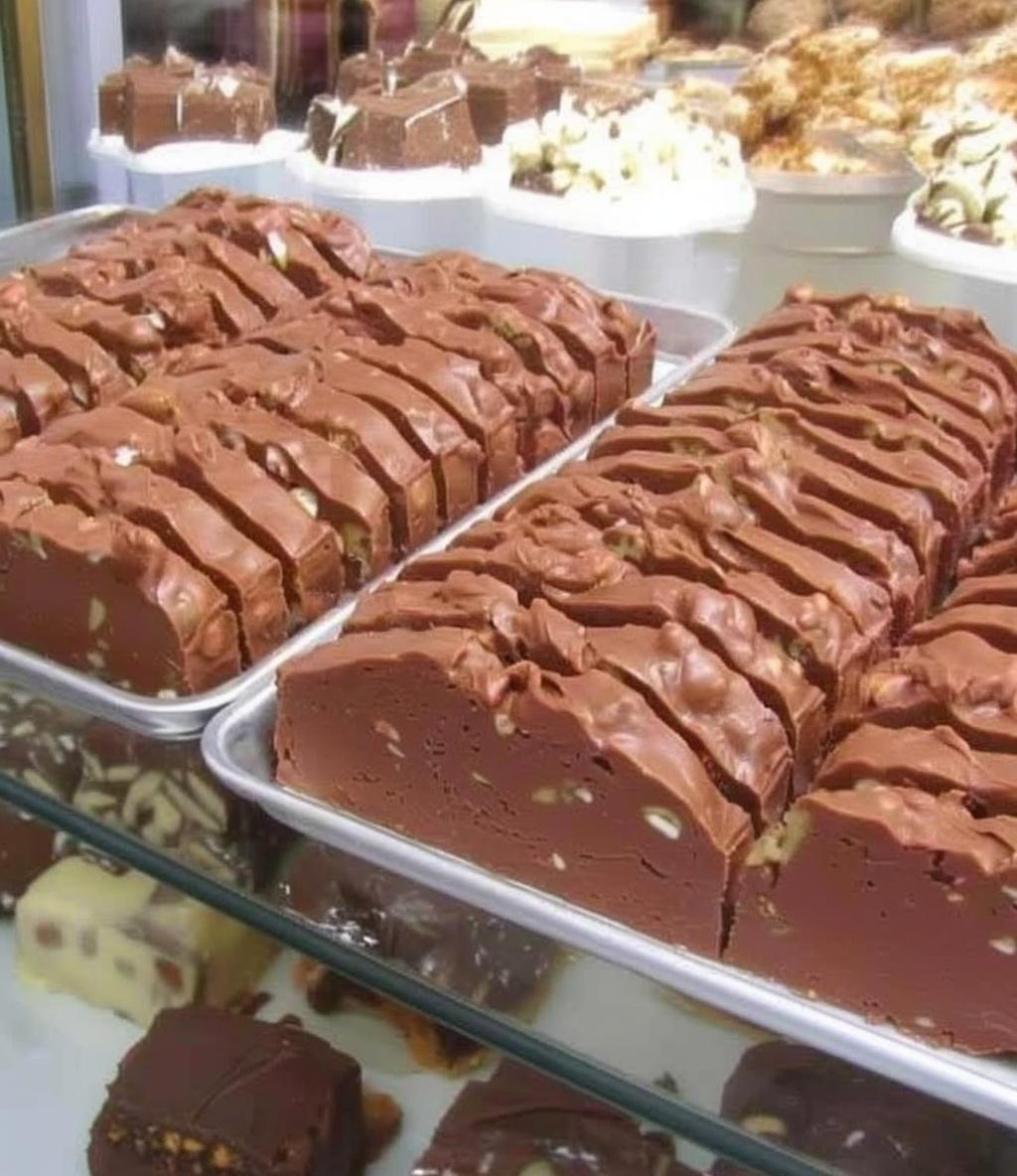
The humble recipe card titled “Mom’s Fudge” represents more than a list of ingredients; it is a culinary heirloom, a tactile memory, and a gateway to one of the most beloved confections in the American canon. This particular variant—rich, creamy, and foolproof—belongs to the modern tradition of “fantasy” or “no-fail” fudge, a mid-20th century innovation that democratized a once-temperamental candy. It swaps the precise alchemy of the sugar thermometer for the forgiving magic of marshmallow creme, ensuring a smooth, velvety texture every time. To execute it is simple; to master it is to understand the symphony of science, sense memory, and technique contained within those six familiar components. This guide expands that simple card into a comprehensive exploration, ensuring your next batch is not just good, but transcendent.
Part 1: The Philosophy & Pantry – Understanding Your Tools
The Soul of the Confection:
This fudge is an emulsion—a stable marriage of fat (butter, cocoa butter) and water (from the evaporated milk)—held together by sugar and stabilized by the unique properties of marshmallow creme. Its success hinges not on complex skills, but on meticulous attention to timing, temperature, and technique.
Ingredient Intelligence: Why Each Component is Non-Negotiable
-
Unsalted Butter (1 cup / 2 sticks): The foundation of flavor and texture. Unsalted butter allows you to control the salt level entirely. Its milk fats carry flavor, contribute to a luxuriously melt-in-the-mouth feel, and its water content (about 16%) is crucial for dissolving the sugar. The emulsifiers in butter help bind the fudge’s elements into a smooth, homogenous whole. For best results, use a high-quality, real butter and bring it to room temperature before starting for easier integration.
-
Granulated Sugar (4 cups): The crystalline backbone. White sugar provides pure sweetness and, when cooked, contributes to the fudge’s body. In this recipe, we don’t rely on it crystallizing in a specific way; instead, we create a supersaturated syrup that sets with the help of our other ingredients. Using fresh, dry sugar is key to prevent clumping.
-
Evaporated Milk (1 standard 12 fl oz can): The secret weapon of depth. Not to be confused with sweetened condensed milk, evaporated milk is fresh milk with about 60% of its water removed via a gentle heating process. This concentration gives it a subtly caramelized, richer flavor than fresh milk and provides the necessary proteins and lactose to create a luscious, creamy texture without the risk of scorching as easily as cream.
-
Semi-Sweet Chocolate Chips (1 standard 12 oz bag): The heart of the flavor. Semi-sweet (typically 35-45% cacao) strikes the perfect balance between bitter chocolate notes and sweetness. Chocolate chips are engineered with less cocoa butter than baking bars to hold their shape, which in this application helps the fudge set firmly. For a profound upgrade, use a high-quality brand of chips or chop a good semi-sweet baking bar. The flavor difference is remarkable.
-
Marshmallow Fluff/Creme (1 standard 7 oz jar): The modern stabilizer. This is the “no-fail” key. Its primary role is as an “interfering agent.” The sugar syrup, egg whites (or soy protein), and air in the fluff create a microscopic network that prevents the sugar in the fudge from forming large, grainy crystals, guaranteeing a smooth, creamy texture. It also adds volume and a hint of vanilla flavor.
-
Pure Vanilla Extract (1-2 teaspoons): The perfumed finish. Vanilla is not merely a flavoring; it’s a flavor enhancer. Its complex bouquet of hundreds of aromatic compounds rounds out the sharpness of the sugar, deepens the chocolate notes, and adds a warm, comforting aroma that is the signature scent of homemade confections. Always opt for pure extract over artificial imitation.
Equipment Essentials:
-
Heavy-Bottomed Saucepan (3-4 quart): Critical for even heat distribution and preventing scorching.
-
Wooden Spoon or Heatproof Silicone Spatula: For stirring. Wood is a poor conductor, so it stays cooler and won’t transfer heat to your hands.
-
Candy Thermometer (Highly Recommended): While the “5-minute boil” is a guideline, a thermometer removes guesswork. The ideal finishing temperature for the sugar mixture is 234°F – 236°F (112°C – 113°C), the “soft-ball stage.”
-
9×9-inch Baking Pan: For the classic thick square. A metal pan promotes faster cooling than glass.
-
Aluminum Foil & Cooking Spray: For flawless release and easy cleanup.
Part 2: The Ceremony of Creation – A Step-by-Step Master Guide
see continuation on the next page
ADVERTISEMENT
