
ADVERTISEMENT
2. Low-Pressure Oral Irrigator
A water flosser on the lowest setting can gently flush the crypts. Aim the stream toward the tonsils (not straight down the throat) for just a few seconds.
3. Coughing or “natural dislodging”
Sometimes a firm cough or eating crunchy foods (carrots, apples, celery) is enough to pop smaller stones free.
4. Soft-Tip Tool (only if you can see the stone clearly)
Some pharmacists sell curved, blunt tonsil-stone removers. Use only with good lighting and a mirror, and stop immediately if you feel pain.
5. See an ENT doctor for stubborn cases
If stones keep coming back or are very large, an otolaryngologist can remove them safely in minutes — often with no downtime.
Daily Habits That Help Prevent Tonsil Stones From Coming Back
Prevention is easier than removal. Add these simple routines to your day:
- Brush your teeth and tongue twice daily (don’t forget the back of the tongue!)
- Floss every night to reduce oral bacteria
- Stay well hydrated — dry mouths encourage buildup
- Use an alcohol-free mouthwash or antiseptic rinse
- Consider cutting back on dairy if you notice more stones after milk, cheese, or yogurt
- Sleep with a humidifier if you breathe through your mouth at night
Research from the International Journal of Dental Hygiene shows that consistent tongue cleaning alone can reduce oral bacteria by up to 75% — a huge help for anyone prone to tonsil stones.
When Should You Actually Worry?
Most tonsil stones are harmless and don’t require medical treatment. However, see a doctor if you experience:
- Severe throat pain or swelling
- Difficulty swallowing or breathing
- Fever along with swollen tonsils
- Stones larger than a green pea that won’t come out
These can be signs of infection or an abscess that needs professional care.
Quick Summary: Everything You Need to Know
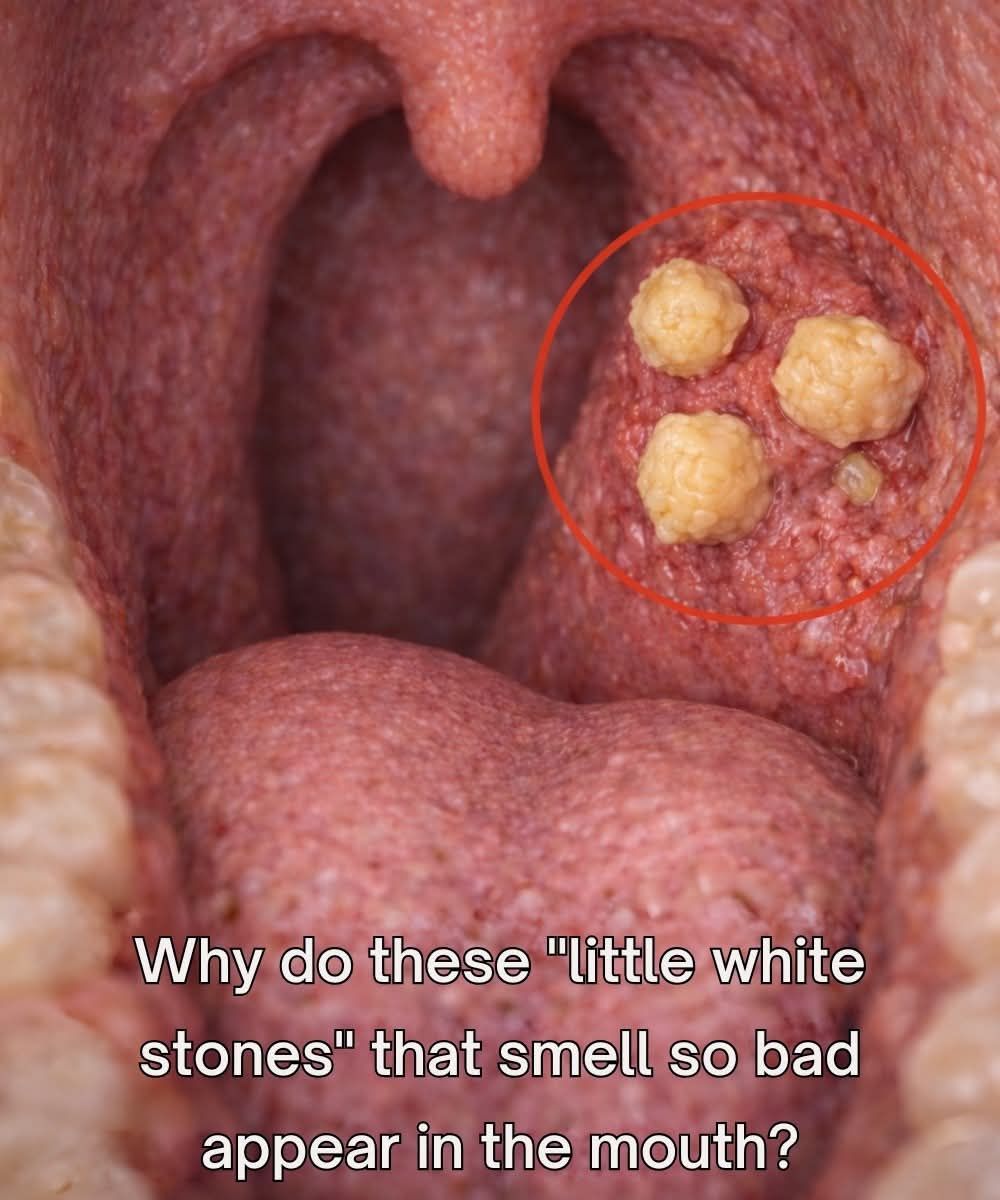
Tonsil stones are common, smelly, but usually harmless calcified bits that form in tonsil crevices. They cause bad breath and that “something stuck” feeling for millions of people. Good oral hygiene, hydration, and gentle removal techniques solve the problem for most. In rare cases, recurring large stones may be a reason to talk to an ENT about tonsillectomy, but that’s uncommon.
Frequently Asked Questions
Q: Can tonsil stones go away on their own?
A: Yes — many dislodge naturally when you cough, sneeze, or eat crunchy foods.
Q: Are tonsil stones contagious?
A: No. They’re made of your own mouth debris and bacteria, not a virus or infection you can pass to someone else.
Q: Will removing my tonsils stop tonsil stones forever?
A: Yes, but surgery is usually reserved for people with chronic tonsillitis or very large, frequent stones. Most people manage them easily without surgery.
Disclaimer: This article is for informational purposes only and is not a substitute for professional medical advice. Always consult a qualified healthcare provider if you have concerns about your throat or persistent bad breath.
ADVERTISEMENT
