
ADVERTISEMENT
Have you ever coughed up a tiny white or yellowish pebble that smells absolutely awful the moment it hits the air? You’re not alone — millions of people experience this strange and embarrassing moment without knowing what just happened. That lingering bad breath you can’t brush away, no matter how much mouthwash you use, often comes from the exact same source. The good news? These little “stones” are usually harmless, and there are simple everyday habits that help most people keep them away for good. Keep reading — I’ll show you exactly why they form and the surprisingly gentle tricks that work better than poking around with a cotton swab.
What Exactly Are Tonsil Stones (Tonsilloliths)?
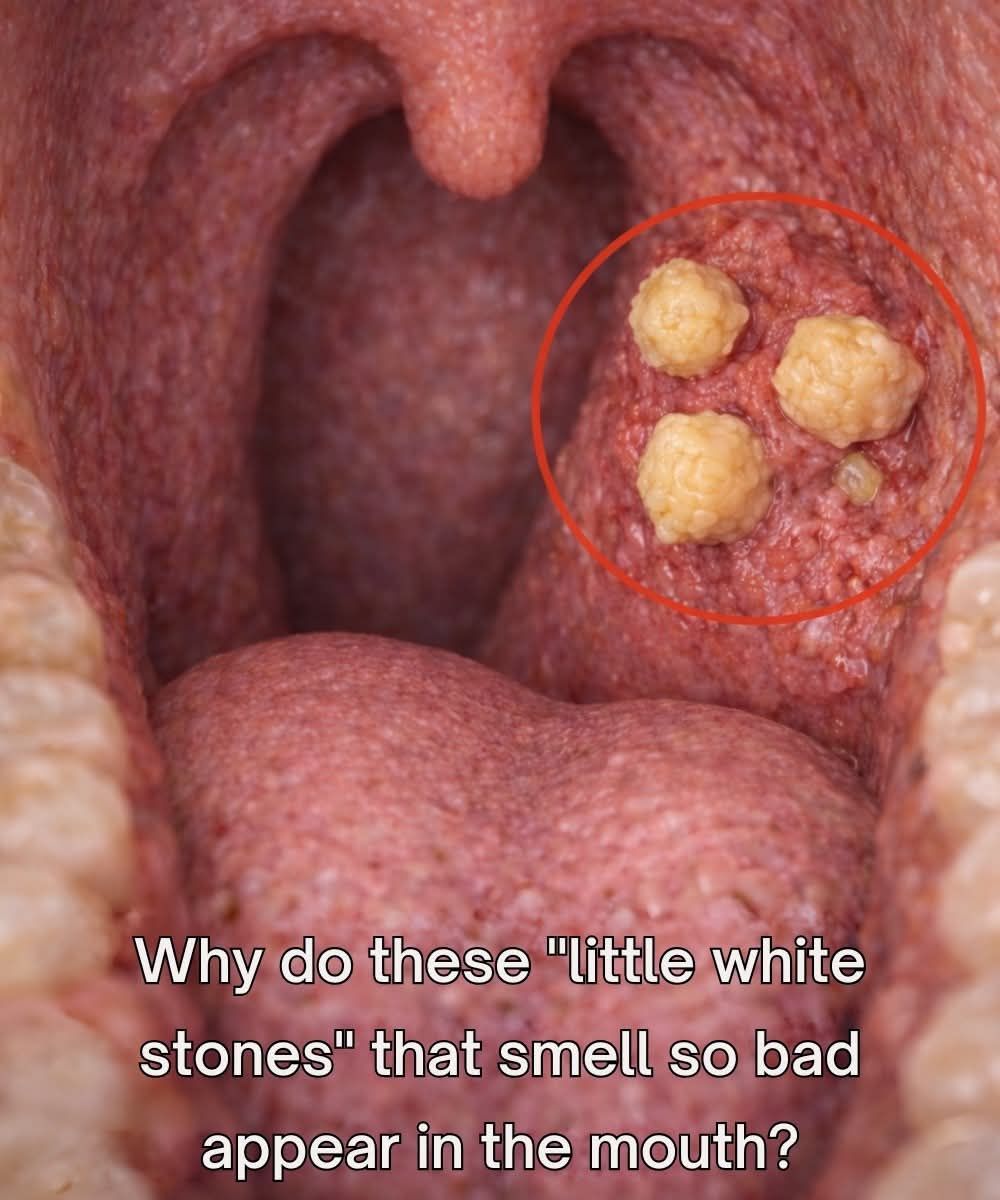
Tonsil stones, also called tonsilloliths, are small calcified deposits that form in the natural crevices (crypts) of your tonsils. They’re made of food particles, dead cells, bacteria, and minerals — especially calcium — from saliva. Over time, this mixture hardens into white or yellowish lumps ranging from the size of a grain of rice to a small pea.
According to the American Academy of Otolaryngology–Head and Neck Surgery, tonsil stones affect up to 10% of the population regularly, though many cases go unnoticed because the stones fall out on their own.
The terrible smell? That comes from sulfur-producing bacteria feeding on the trapped debris — the same bacteria linked to classic bad breath (halitosis).
But here’s what surprises most people…
Common Signs You Might Have Tonsil Stones Right Now
Many people never see the stones but still experience the effects. Look out for these classic clues:
- Persistent bad breath or a bad taste that doesn’t improve after brushing
- Feeling like something is stuck in the back of your throat
- Mild sore throat or discomfort when swallowing
- Visible white or yellow spots on your tonsils when you open wide in the mirror
- Ear pain (yes, referred pain from the shared nerve pathways)
- A dry, tickly cough that won’t go away
Some people only discover them when a stone suddenly pops out while eating an apple or laughing hard. That’s actually your body’s natural way of clearing them.
Why Do Some People Get Tonsil Stones and Others Never Do?
It mostly comes down to anatomy and daily habits. Here are the biggest risk factors researchers have identified:
- Naturally deep or “cryptic” tonsils with lots of pockets
- History of repeated tonsillitis or swollen tonsils
- Large tonsils (common in teens and young adults)
- Post-nasal drip or chronic sinus issues
- Dry mouth from medications or breathing through the mouth at night
- Diets high in dairy or sugary foods that leave sticky residue
Studies published in the journal Otolaryngology–Head and Neck Surgery show that people with deeper tonsillar crypts are far more likely to form stones because debris gets trapped more easily.
The interesting part? Even perfect oral hygiene won’t always prevent them if your tonsils have deep pockets — but the right habits can dramatically reduce how often they appear.
Safe and Gentle Ways to Remove Tonsil Stones at Home
Never — and I really mean never — use sharp objects or squeeze your tonsils hard. You risk injury and infection. Instead, try these proven, gentle methods:
1. Warm Salt-Water Gargle (the classic first step)
Mix 1 teaspoon of salt in a glass of warm water and gargle vigorously for 30 seconds, tilting your head back. The salt helps reduce swelling and loosens debris. Do this 2–3 times daily.
ADVERTISEMENT
